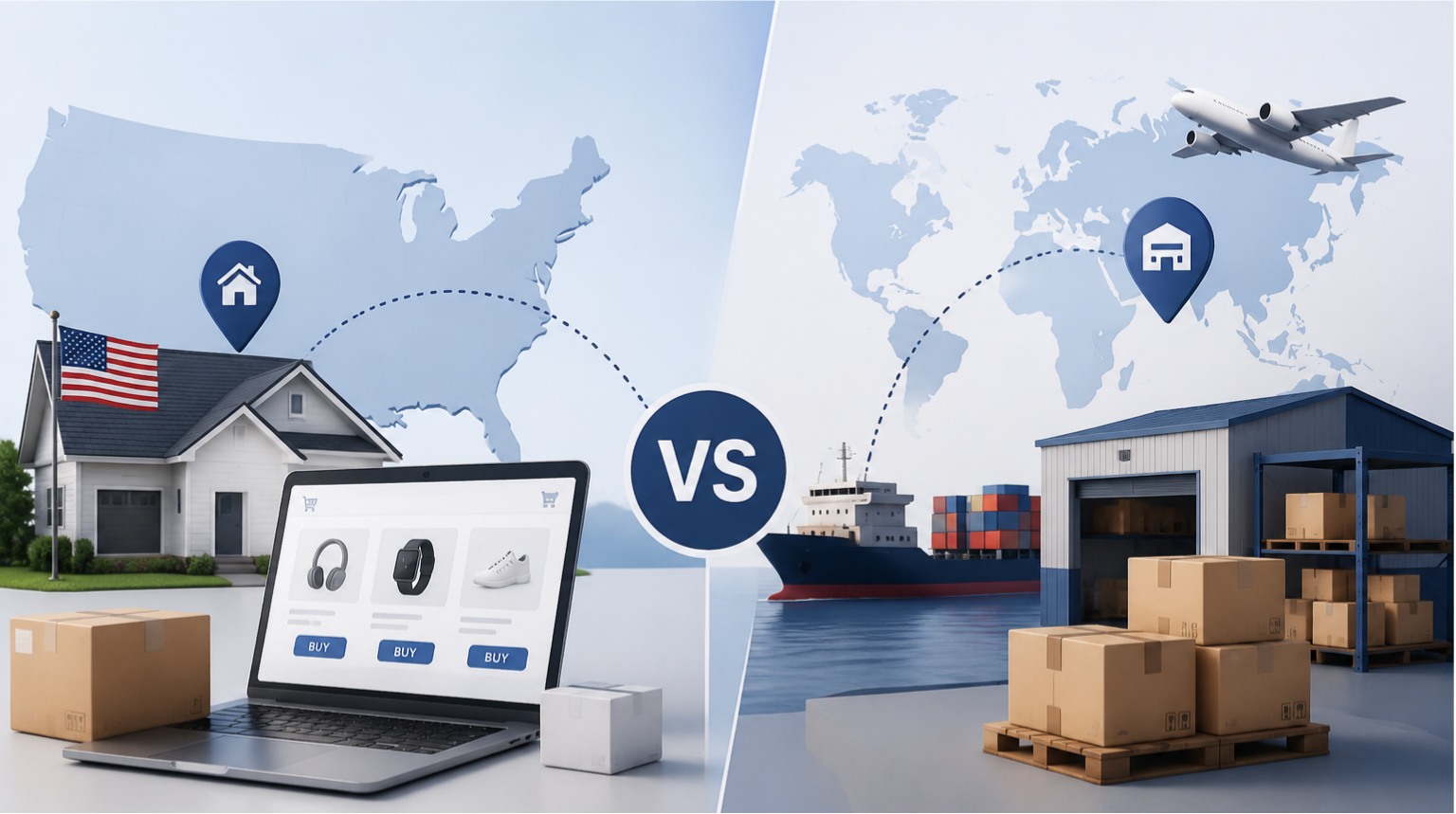
Internationale Auftragsabwicklung und Inlandsversand bieten Lösungen für unterschiedliche Herausforderungen. Während die eine Methode die erste Phase vereinfacht, gewährleistet die andere eine bessere Kontrolle über Lagerbestand, Auftragsabwicklung und Kundenerlebnis. Die optimale Lösung ändert sich im Laufe der Zeit, wenn ein Unternehmen von Produkttests zu wiederkehrenden Bestellungen wächst.
Was Inlands-Dropshipping und Auslandsversand tatsächlich bedeuten
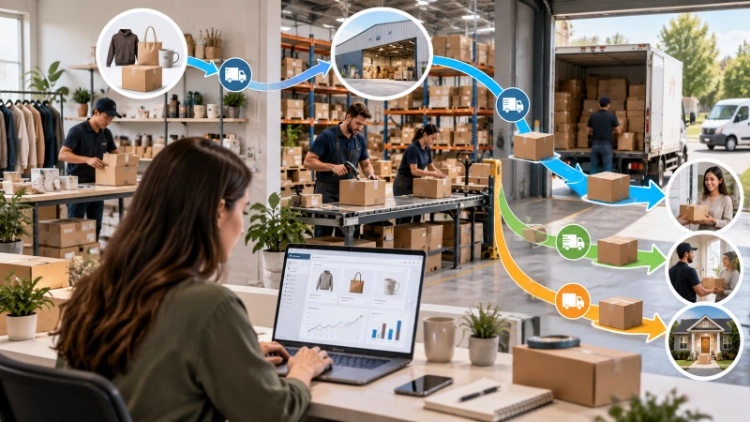
Beim Inlands-Dropshipping lagert der Verkäufer die Produkte nicht vor. Nach Eingang einer Bestellung leitet der Verkäufer die Bestelldetails an einen Lieferanten im selben Markt oder derselben Lieferregion weiter, der die Ware direkt an den Kunden versendet. Dadurch wird das gebundene Kapital minimiert und Produkttests vereinfacht.
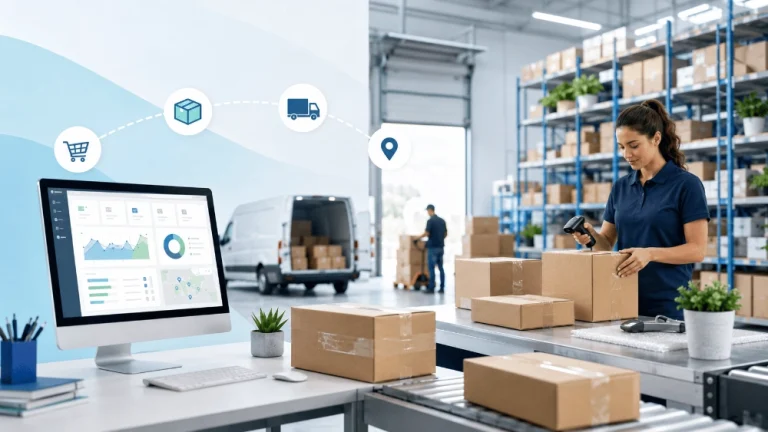
Die Auftragsabwicklung im Ausland erfolgt anders. Die Produkte werden in einem Lager näher an den Zielkunden gelagert, bevor die Bestellungen eintreffen. Der Fulfillment-Partner lagert die Ware, kommissioniert und verpackt jede Bestellung, übergibt sie einem geeigneten Versanddienstleister und sendet dem Verkäufer regelmäßig Sendungsverfolgungs-Updates. Der Verkäufer trägt zwar mehr Lagerverantwortung, profitiert aber von einem kürzeren und besser kontrollierbaren Lieferweg.
Ab wann sich die beiden Modelle unterscheiden
Bestandskontrolle und Warenbestandsübersicht
Beim Inlands-Dropshipping kann der Verkäufer ein breites Produktsortiment anbieten, ohne alle Artikelnummern (SKUs) vorher einkaufen zu müssen. Das ist anfangs hilfreich, doch der Lagerbestand kann sich zwischen Kundenbestellung und Bestätigung durch den Lieferanten ändern. Ein Produkt kann morgens verfügbar sein und nach einer Werbeaktion nicht mehr, sodass der Verkäufer eine Rückerstattung oder einen Ersatz anbieten muss.
Die Auftragsabwicklung ins Ausland erfordert eine frühere Bestandsentscheidung, bietet aber im Gegenzug eine übersichtlichere Bestandskontrolle. Lagerbestand, Bestellpunkt und Verkaufshistorie geben dem Mitarbeiter konkrete Steuerungsmöglichkeiten. Ein ERP-System kann die Übersichtlichkeit verbessern, insbesondere wenn mehrere Filialen dieselben Bestseller-Artikel anbieten.
Liefergeschwindigkeit und Kundenerlebnis
Bei der Zustellung wird der Unterschied für den Endkunden sichtbar. Eine Inlands-Dropshipping-Bestellung benötigt unter Umständen einen zusätzlichen Zwischenschritt, bevor sie an den endgültigen Versanddienstleister übergeben wird. Für Produkte mit geringem Risiko ist das durchaus praktikabel, doch es schränkt die Möglichkeiten ein, wenn ein Marktplatz ein enges Versandfenster vorgibt oder ein Käufer eine klare Sendungsverfolgung erwartet.
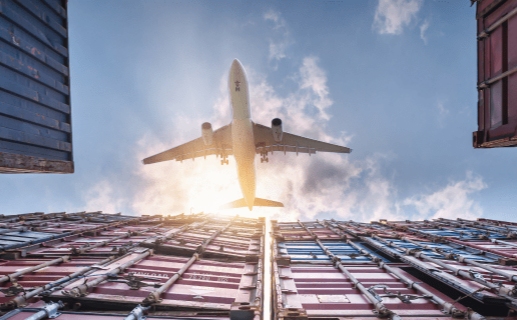
Ein ausländisches Lager kann Ware aus dem lokalen Bestand versenden, oft noch am selben Tag, sofern der Artikel verfügbar ist und die Bestellung vor dem Annahmeschluss eingeht. Das genaue Ergebnis hängt vom Bestimmungsort und dem Spediteur ab, daher sollte der Lieferant mehrere Logistikoptionen anbieten können. YunExpress, Yanwen, Wanb und 4PX sind Beispiele für die verschiedenen Versandkanäle, die Händler benötigen, neben Expressoptionen wie SF Express für ausgewählte Sendungen.
Kostendruck und Cashflow
Inländisches Dropshipping ist beim ersten Cashflow-Test meist erfolgreich. Es muss weniger Kapital gebunden werden, bevor sich ein Produkt bewährt hat, und Lagerbestände mit geringem Umschlag belasten die Bilanz weniger stark. Die versteckten Kosten zeigen sich erst später, wenn Teillieferungen, Bestandsänderungen, Rückerstattungen oder wiederholte Kundenanfragen Zeit in Anspruch nehmen.
Die Abwicklung von Bestellungen aus Übersee erfordert eine frühzeitige Festlegung der Lagerbestände und der Kosten für den Warentransport. Dies lässt sich bei Geschäften mit konstanter Nachfrage leichter rechtfertigen, da schnellere Lieferungen zu weniger Reklamationen führen und dem Händler eine bessere Planung der Nachbestellungen ermöglichen. Zahlungsbedingungen der Lieferanten können zusätzliche Entlastung bieten, jedoch erst, wenn sich der Händler zur Aufnahme des gesamten Produktsortiments verpflichtet.
Wann sich Inlands-Dropshipping noch lohnt
Inlands-Dropshipping ist nach wie vor eine sinnvolle Option für neue Shops, kurze Produkttests oder Produktkategorien mit unsicherer Nachfrage. So kann der Verkäufer Preisgestaltung, Werbemittel und Kundenreaktionen testen, bevor er ein Lager aufschlägt. Kleine Kataloge und unregelmäßige Bestellungen generieren möglicherweise nicht genügend Volumen, um ein Lager im Ausland zu rechtfertigen.
Es gibt Grenzen. Ein Lieferantenwechsel, Abweichungen in der Charge oder eine verzögerte Sendungsverfolgungsnummer können ein vielversprechendes Produkt schnell in ein Problem für den Kundenservice verwandeln. Daher sollten Testbestellungen weiterhin die Verpackung, die Produktkonsistenz, die tatsächliche Versandzeit und die Retourenabwicklung überprüfen. Ein geringer Lagerbestand ersetzt nicht die Notwendigkeit von Betriebskontrollen.
Warum die Auftragsabwicklung über Übersee besser zu wachsenden Geschäften passt
Sobald die Bestellungen regelmäßig eingehen, verschiebt sich die Frage von „Lässt sich dieses Produkt verkaufen?“ zu „Kann jede Bestellung das Lager auf die gleiche Weise verlassen?“ An diesem Punkt wird die Auftragsabwicklung aus Übersee attraktiver. Sie bietet dem Verkäufer einen näheren Ausgangspunkt für die Lieferung, einen definierten Lagerbestand und einen wiederholbaren Kommissionierungs- und Verpackungsprozess.
Eine optimale Lagerhaltung umfasst mehr als nur die Lagerung. Die Produktbeschaffung muss schnell genug erfolgen, um fehlerhafte Artikelnummern zu ersetzen oder Varianten zu entwickeln. Wareneingänge müssen vor der Einlagerung einer Qualitätskontrolle unterzogen werden, und ausgehende Bestellungen werden vor dem Versand erneut geprüft. Diese Schritte sind entscheidend, da fehlendes Zubehör oder fehlerhafte Chargen zu Rückerstattungen für zahlreiche Bestellungen führen können.
Für Geschäfte, die diese umfassendere Unterstützung benötigen., LZ Dropshipping Das System vereint Beschaffung, Lagerverwaltung, Qualitätskontrolle und Auftragsabwicklung in einem einzigen Betriebsablauf. Das ERP-System ermöglicht es Verkäufern, Kontostände und Auftragsstatus einzusehen, während ein dedizierter Support bei der Bearbeitung von Ausnahmefällen hilft, anstatt jede Verzögerung in einem allgemeinen Posteingang zu verbuchen.
Ein Lieferant, der schnell ein Angebot für ein neues Produkt erstellen, verfügbare Ware noch am selben Tag versenden und verschiedene Versandwege anbieten kann, ist mit wachsendem Geschäftsvolumen deutlich einfacher zu handhaben. Der praktische Vorteil ist nicht nur ein Slogan, sondern bedeutet weniger gebrochene Versprechen bei steigendem Bestellvolumen.
Was Käufer vor der Umstellung auf Versand ins Ausland prüfen sollten
Beginnen Sie mit dem Produkt, nicht mit dem Lageretikett. Fragen Sie, wie schnell der Lieferant Ersatz oder eine neue Variante beschaffen kann, was das Angebot beinhaltet und ob die Muster mit der späteren Produktionscharge übereinstimmen. Ein niedriger Stückpreis nützt nichts, wenn das Produkt mit anderen Teilen, mangelhafter Verpackung oder einer höheren Retourenquote ankommt. Produktbeschaffungsprozess Das hilft auch, wenn für eine erfolgreiche Artikelnummer ein schnellerer Ersatz benötigt wird.
Testen Sie anschließend die Betriebskette mit realen Bestellungen. Überprüfen Sie die Wareneingangskontrolle, die Lageraufzeichnungen, die Verpackungsfotos (falls vorhanden), die Versandfristen und den Zeitpunkt der Aktualisierungen der Sendungsverfolgung. Ein Lieferant bietet Qualitätsprüfung und Lagerhaltung sollte erklären können, wo die einzelnen Prüfungen stattfinden und was passiert, wenn ein Punkt nicht geprüft wird.
Die Logistik verdient ein eigenes Thema. Prüfen Sie, welche Routen das Hauptziel abdecken, ob die Sendungsnummer schnell generiert wird, wie mit Lieferausnahmen umgegangen wird und ob der gleiche Service auch zu Stoßzeiten aufrechterhalten werden kann. Es empfiehlt sich außerdem, nach individuellen Verpackungsoptionen zu fragen, da eine Standardverpackung und eine unzureichende Gebrauchsanweisung einer Marke schaden können, selbst wenn das Produkt selbst hervorragend ist.
Abschließend ist eine klare Kommunikation entscheidend. Ein VIP-Supportteam oder ein direkter Ansprechpartner sind wertvoll, wenn eine Bestellung festhängt, ein Kunde Ersatz benötigt oder eine Charge zurückgehalten werden muss. Es geht nicht um mehr Nachrichten, sondern darum, eine feste Ansprechperson zu haben, die Beschaffung, Lager und Versand koordiniert, bevor aus einem kleinen Problem eine Rückerstattung wird.
FAQ (häufig gestellte Fragen)
Frage 1: Ist Inlands-Dropshipping besser für Anfänger geeignet?
A1: Produkttests sind oft einfacher, da weniger Lagerbestand benötigt wird. Anfänger sollten dennoch Lieferzeit, Verpackung und Retourenabwicklung testen, bevor sie ein Produkt skalieren.
Frage 2: Wann sollte ein Geschäft Produkte in die Logistik im Ausland verlagern?
A2: Überlegen Sie sich, ob Sie mit diesem Schritt beginnen sollten, wenn die Auftragslage stabil ist, die Anzahl der Lieferreklamationen steigt oder sich eine kleine Gruppe besonders erfolgreicher Artikel herauskristallisiert hat. Konzentrieren Sie sich zunächst auf diese Produkte, anstatt den gesamten Katalog zu betrachten.
Frage 3: Ist für die Abwicklung von Aufträgen aus Übersee eine höhere Vorauszahlung erforderlich?
A3: In der Regel ja, da Lagerbestand und Wareneingang frühzeitig geplant werden. Zahlungsbedingungen und eine schrittweise Übertragung bewährter Artikelnummern erleichtern die Umstellung.
Frage 4: Kann LZ Dropshipping Beschaffung, Lagerhaltung und Auftragsabwicklung gleichzeitig unterstützen?
A4: Ja. CKontaktieren Sie LZ Dropshipping um Beschaffung, Qualitätsprüfung, Lagerabwicklung, Logistikwege, kundenspezifische Verpackungen und Auftragsabwicklung für einen bestimmten Markt zu besprechen.