
A Shopify store can be built in a weekend. A supplier problem can take months to unwind. That is why the safest way to start Shopify dropshipping is to test the supply side before spending heavily on themes, apps, or ads. The supplier has a major influence on product condition, packing, dispatch, tracking, and much of the delivery experience. Customers still hold the store responsible when any of those pieces fail.
The early goal is not to find the cheapest listing. It is to find a product and fulfillment setup that can survive real orders. A small validation budget, a written supplier checklist, and one clean test order reveal far more than a polished catalog. They also keep a new seller from building a store around costs or delivery promises that do not hold up.
Start With a Product Case, Not a Huge Catalog
Pick one narrow customer problem and a small group of related products. This makes supplier comparison practical. A store with 60 unrelated items can hide weak margins, mixed shipping rules, and several return processes. Three to five products from the same supplier are easier to sample, price, and support.
Write down the buyer, the reason for purchase, the likely complaint, and the acceptable delivered cost. Then check whether the product needs size guidance, safety information, batteries, liquids, fragile packing, or country-specific documentation. A product that looks simple on a supplier page may create expensive support once it crosses a border.
Shopify’s official dropshipping guidance also notes that tax and customs duties vary by region, so cross-border charges belong in the first cost review rather than the last one.
Build a Supplier Shortlist With Evidence
A supplier worth considering should be able to explain how an order moves from the store to the warehouse and on to the customer. Product knowledge matters, but operational clarity matters just as much. Ask the same questions of every candidate so the answers can be compared instead of judged by sales language.
Check the legal business name, working contact channel, product source, warehouse location, normal processing flow, available shipping services, tracking handoff, damaged-item process, and return address. Request current photos or a video of the actual item and packaging when the listing is unclear. If custom labels or inserts are part of the plan, ask when those options become available and what artwork or order quantities are required. Do not treat an unconfirmed promise as a store feature.
Watch for Cheap Quotes That Leave Costs Out
A low unit quote can exclude pick-and-pack fees, packaging, payment charges, shipping surcharges, remote-area fees, or replacement handling. Compare suppliers using delivered cost per order, not product price alone. Include the Shopify plan, payment fees, apps, refunds, advertising, and a small allowance for reshipments. If the margin disappears after realistic shipping and support costs, changing suppliers later will not fix the product economics.
Judge Communication Under a Real Deadline
Send a specific request with a product link, destination country, expected daily order range, packaging needs, and two or three shipping choices. Good communication is not instant agreement. It is a clear answer that separates confirmed information from items still being checked. Slow or vague replies during the sales stage often become harder once customer orders are waiting.
Place a Sample Order Before Publishing the Product
A supplier sample order is the cheapest useful test in the process. Order to a real destination when possible. Record the date paid, processing time, first tracking scan, delivery date, packaging condition, product accuracy, and any customs communication. Where possible, the sample should match the variant and shipping line intended for customers, not a special express method that will never be used after launch.
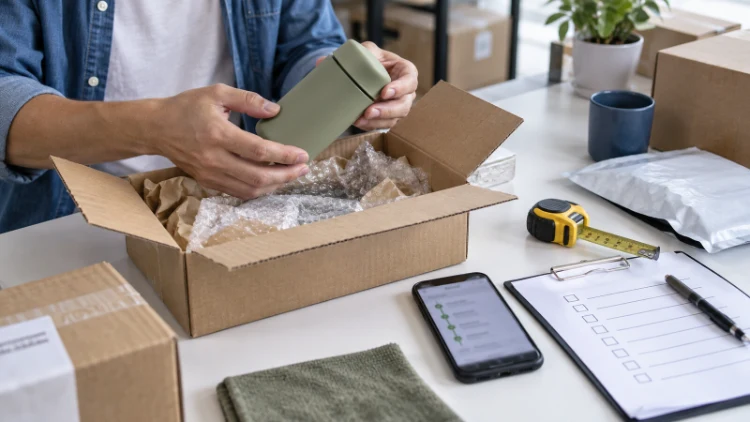
Inspect the product as a buyer would. Check color, size, finish, odor, instructions, moving parts, labels, and protective packing. Photograph the unboxing and compare the item with the supplier description. If the sample exposes a defect, ask how it would be handled on a customer order. One good sample does not prove every future unit will be good, but a bad sample is a strong reason to stop.
Confirm the Order and Inventory Workflow
Shopify explains that a dropshipping order moves from the customer to the store and then to the supplier, who picks, packs, and ships it. The store remains responsible for customer service and tracking. That handoff needs a defined system. Decide whether orders will sync through an app, pass through an agent’s platform, or be sent manually. Then test the exact workflow with the sample.
Match variants and SKUs carefully. Confirm what happens when inventory changes, an address is incomplete, an order contains two products, or a buyer requests cancellation. Bundling products from one supplier can reduce split shipments, but only if stock information is dependable. Align the product line with supplier capabilities rather than treating the catalog as separate from fulfillment.
Set Customer Promises From the Tested Route
Shipping copy should come from the tested service and destination, not the fastest estimate on a quote sheet. Give customers a processing window and a delivery estimate that leave room for normal variation. Explain whether tracking can take time to update. A clear policy may convert fewer impulse buyers, yet it reduces angry messages and chargeback risk.
Returns need the same level of detail. Confirm which problems qualify for a replacement or refund, what evidence the supplier requests, who pays return shipping, and whether the buyer must send the item to another country. Put the store policy in plain language. The seller owns the relationship even when the supplier ships the parcel.
Run a Controlled Launch Before Scaling Ads
Publish the sampled products, connect payment and support channels, and place one end-to-end test order through the live checkout. Check order data, taxes, notification emails, fulfillment status, tracking, and customer-facing pages. Then start with a modest traffic budget or an existing audience. The first target is operational evidence, not maximum volume.
Track cancellations, support questions, delivery exceptions, product complaints, and profit after refunds. If orders begin to rise, ask the supplier how stock is reserved and how processing changes at higher volume. A supplier that works for five orders may struggle at 50. Growth should follow a stable process, not force an untested one to catch up.
Where LZ Dropshipping Fits
For sellers who need help comparing products and coordinating fulfillment, Serviço de fornecimento de produtos LZ provides a product sourcing path rather than leaving every supplier conversation separate. The useful starting point is a concrete request: product link, destination, expected order pattern, packaging needs, and target delivered cost.
There is no shortcut around sampling and written confirmation. A sourcing service can be useful when it makes those checks easier to manage and keeps product, warehouse, and shipping information in one working flow.
Conclusão
The right Shopify dropshipping supplier is not simply the one with the lowest quote. It is the partner whose product, costs, communication, order flow, and shipping claims stand up to a real test. Keep the opening catalog small, sample the intended route, publish honest policies, and scale only after the first orders arrive as expected. Sellers with a defined product brief can review a sourcing and fulfillment setup with LZ Dropshipping before committing more money to launch.
FAQ
Q1: How many products should a beginner test first?
A1: A small group of three to five related products is usually easier to sample, price, support, and compare than a broad catalog.
Q2: What should a supplier sample order verify?
A2: Check the exact variant, product condition, packaging, processing time, first tracking scan, delivery route, and the supplier’s response to defects or discrepancies.
Q3: Should I choose the supplier with the lowest unit price?
A3: Not automatically. Compare delivered cost per order, including shipping, packaging, handling, payment fees, refunds, and likely replacements.