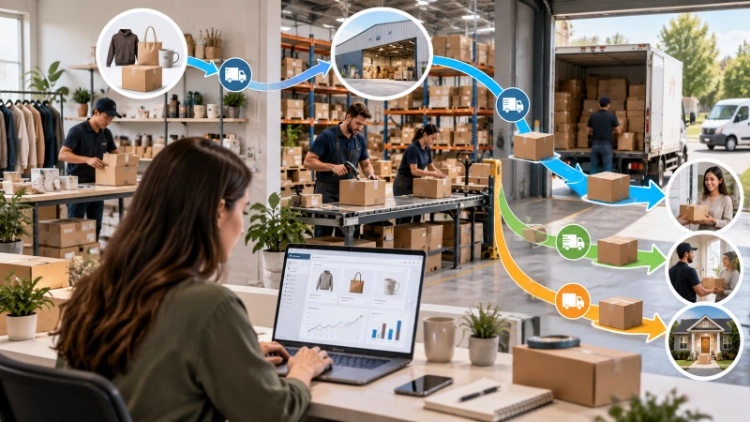
Um cliente visualiza a página de um produto, faz um pedido e espera um processo de entrega claro. Por trás dessa ação simples, existe uma cadeia de decisões envolvendo fornecimento, dados, armazenamento, inspeção, embalagem, envio e rastreamento. Para vendedores B2B, distribuidores e operadores de marcas, o risco geralmente surge entre essas decisões, e não em uma única tarefa isolada. Um produto pode estar disponível, mas associado ao SKU errado. Uma encomenda pode sair do armazém, mas não ser escaneada no momento certo. Um fornecedor pode processar um pedido de teste corretamente, mas enfrentar dificuldades quando o volume aumenta.
Um processo de logística de dropshipping bem estruturado torna cada etapa visível e repetível. Ele proporciona às equipes de compras, operações e atendimento ao cliente uma visão compartilhada do que deve acontecer antes que um pedido seja processado. O objetivo não é apenas um despacho mais rápido, mas sim um processo de logística de dropshipping controlado que protege a consistência do produto, os prazos de entrega e a confiança do comprador à medida que o volume de pedidos aumenta.
O que acontece antes de um pedido entrar em processamento?
A primeira etapa começa antes mesmo de a equipe do armazém receber uma solicitação de separação de pedidos. As especificações do produto, a capacidade do fornecedor, o status do estoque e os dados do pedido já devem ser confiáveis. Se essas informações forem imprecisas, a automação posterior apenas processará informações incorretas mais rapidamente. Portanto, as equipes B2B devem tratar a preparação como um ponto de controle operacional, e não como uma etapa administrativa.
Controle de fornecimento e especificação de produtos
O processo de fornecimento de produtos deve começar com um briefing comercial claro, abrangendo materiais, dimensões, cores, acessórios, embalagens, mercado de destino e padrão de pedidos esperado. Um link para o produto raramente fornece detalhes suficientes para garantir o fornecimento contínuo. Os vendedores devem manter as especificações aprovadas e imagens de referência para que lotes posteriores possam ser verificados em relação ao mesmo padrão.
Esta etapa também deve considerar a viabilidade logística. Baterias, líquidos, peças frágeis, embalagens grandes e elementos de marca podem alterar as rotas disponíveis. Um preço de compra baixo tem valor limitado se o produto não puder ser transportado por um canal adequado a um custo total viável.
Verificação da capacidade e do estoque do fornecedor
O estoque do fornecedor deve ser verificado antes da promoção e revisado conforme as vendas aumentam. A disponibilidade no marketplace pode não representar o estoque físico, e o estoque temporário pode não ser suficiente para pedidos recorrentes. As equipes de compras devem verificar a quantidade atual, o prazo de reposição, a capacidade de produção e a capacidade do fornecedor de manter as especificações aprovadas.
O planejamento de fornecimento alternativo deve ser feito antes da interrupção. Uma segunda fonte deve ser selecionada e comparada em relação a materiais, embalagens, cores e tolerâncias. Isso reduz o risco de os clientes receberem produtos visivelmente diferentes quando o fornecedor principal ficar indisponível.
Correspondência de dados de pedidos e SKUs
Após a compra, o pedido deve corresponder ao registro correto do produto. SKU, variante, quantidade, endereço, método de envio e status do pagamento devem ser inseridos no fluxo de trabalho sem necessidade de transcrição manual repetida. Erros nessa etapa podem resultar em cores, tamanhos, acessórios ou destinos incorretos, mesmo quando o sistema de estoque opera corretamente.
Os códigos internos de produto devem vincular cada variante da loja virtual a um item de origem aprovado. SKUs não reconhecidos, endereços incompletos, quantidades incomuns e destinos restritos devem ser retidos para confirmação, em vez de serem enviados diretamente.
O que acontece dentro do armazém?
Após a confirmação dos registros de produto e pedido, a responsabilidade passa para as operações de armazém. Recebimento, inspeção, embalagem, etiquetagem e preparação de rotas devem seguir padrões definidos. Essas tarefas físicas dependem de instruções digitais precisas, portanto, o armazém deve tornar a condição e o status de cada pedido visíveis antes do despacho.
Recebimento e Controle de Qualidade
Ao receber os produtos no armazém, é necessário confirmar a quantidade, a identificação do item, a variante e o estado visível da embalagem. Os produtos não devem ser considerados como disponíveis apenas porque a caixa externa parece intacta. Acessórios, etiquetas, cor, tamanho, acabamento e embalagem também podem exigir verificação.
O controle de qualidade deve ser proporcional ao risco do produto. Um acessório simples pode precisar apenas de inspeção visual, enquanto produtos frágeis, de marca ou personalizados exigem verificações mais detalhadas. O objetivo não é afirmar que defeitos nunca ocorrem, mas sim identificar problemas evitáveis antes que se transformem em reembolsos, reenvios, reclamações de distribuidores ou avaliações negativas em plataformas de venda online.
Embalagem, etiquetagem e consolidação
A embalagem deve levar em consideração o peso, a fragilidade, as dimensões e o destino do produto. Embalagens em excesso podem aumentar o custo do frete, enquanto proteção insuficiente pode aumentar os danos. O padrão correto equilibra proteção, manuseio e valor comercial.
As etiquetas devem corresponder ao destinatário e à rota confirmados. O controle de código de barras e a verificação do endereço final podem reduzir erros quando muitos pacotes semelhantes são processados em conjunto. A consolidação pode diminuir os custos de envio duplicados, mas também pode aumentar o tamanho da embalagem ou a complexidade alfandegária. A decisão deve ser tomada com base no perfil do pedido, e não em uma regra fixa.
Seleção de Rota de Navegação
A seleção da rota de envio deve levar em consideração o tipo de produto, o destino, a expectativa de entrega, a qualidade do rastreamento, a capacidade sazonal e o tratamento de exceções. A opção mais barata pode oferecer baixa visibilidade, enquanto a mais rápida pode ser antieconômica para um item de baixa margem de lucro.
Múltiplas opções logísticas criam flexibilidade quando um canal fica congestionado ou inadequado. LZ DropshippingA seleção de rotas pode ser coordenada com o fornecimento, o manuseio em armazém, as inspeções e a visibilidade dos pedidos. Isso é importante porque a melhor decisão de envio geralmente depende de informações geradas anteriormente no fluxo de trabalho.
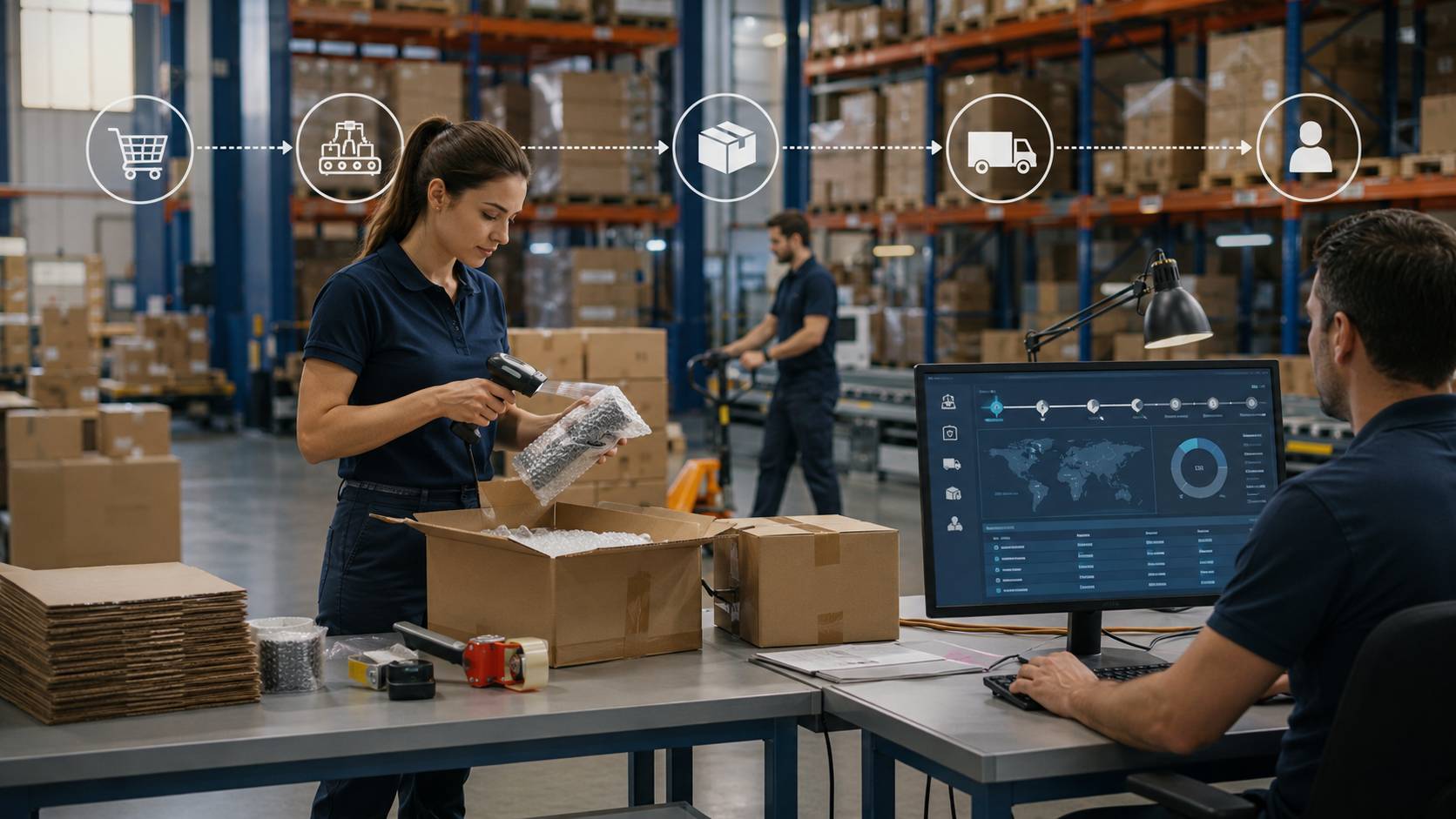
Como o rastreamento e as transferências de responsabilidade afetam a entrega?
Uma encomenda não está totalmente sob controle apenas porque saiu do armazém. O número de rastreamento, a primeira leitura do código de barras pela transportadora, os eventos de trânsito, o status de exceção e a confirmação de entrega são fatores que influenciam a experiência do comprador. Um rastreamento de pedidos eficiente também ajuda as equipes internas a diferenciar o trânsito normal de uma remessa que exige alguma ação.
Visibilidade da primeira varredura e rastreamento
Um número de rastreamento deve corresponder a uma remessa real e começar a mostrar movimentação dentro do ciclo de processamento esperado. Se nenhuma atualização da transportadora aparecer, o vendedor não pode explicar com segurança o status da encomenda. Essa lacuna frequentemente gera solicitações de suporte, mesmo quando o pacote já entrou na rede logística.
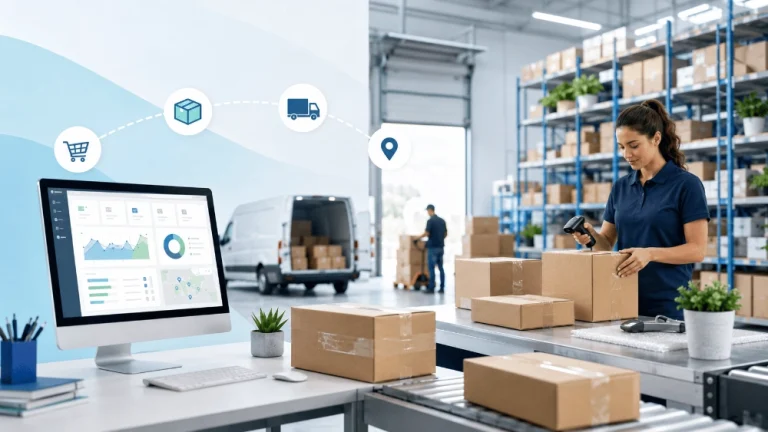
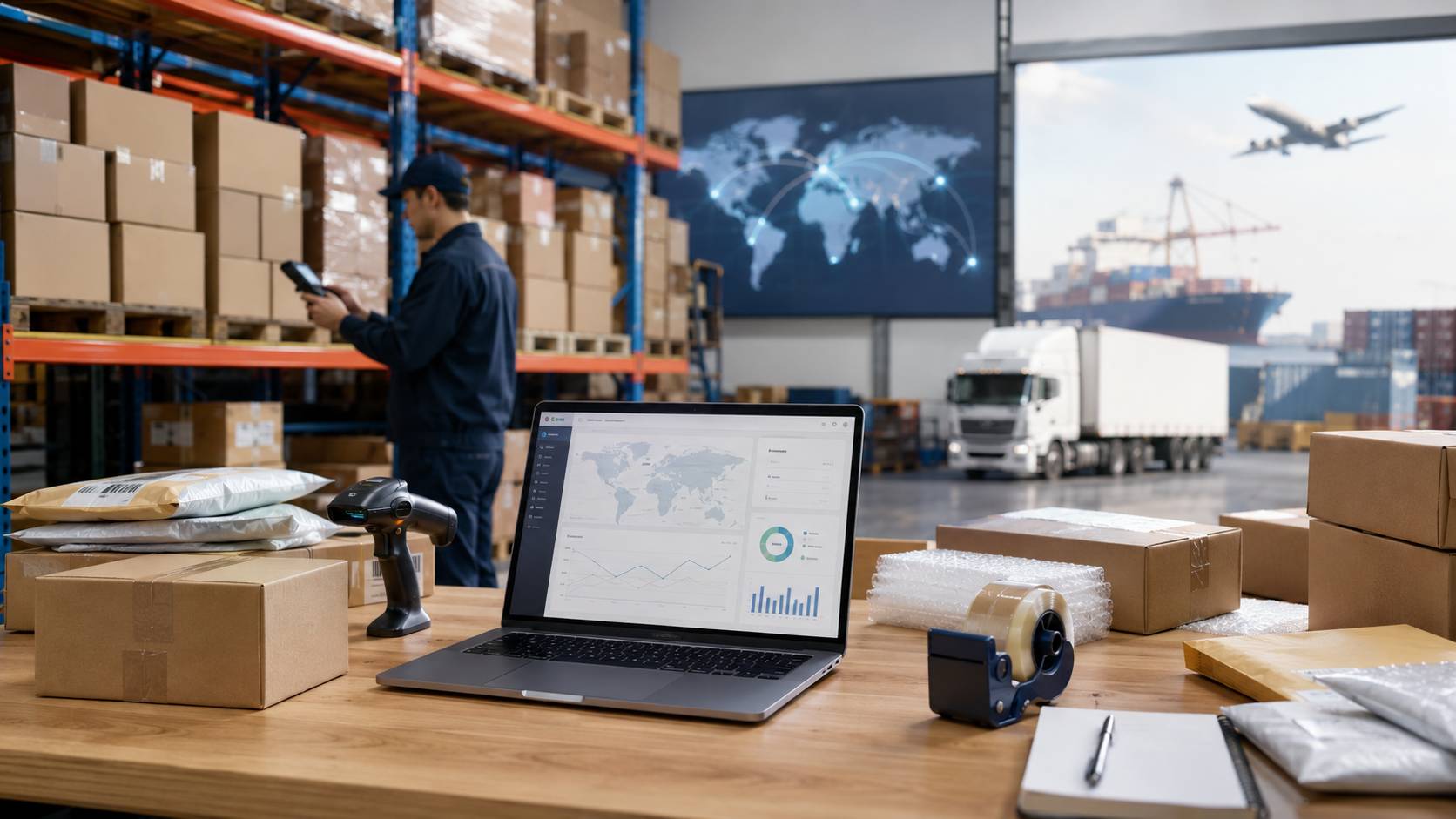
Para vendedores B2B que gerenciam várias lojas, o rastreamento confiável de pedidos e a visibilidade consolidada são especialmente úteis. Um painel de controle pode reunir o status dos pedidos, registros de pagamento e eventos de envio em uma única visualização operacional, ajudando as equipes a identificar padrões de atraso recorrentes sem precisar consultar sistemas desconectados.
Gestão de Exceções e Comunicação com o Cliente
Nem toda demora na digitalização significa que a encomenda foi extraviada. Condições climáticas, alfândega, capacidade do destino e transferências entre transportadoras podem afetar o transporte. O parceiro de logística deve distinguir atrasos rotineiros de exceções que exigem intervenção. É necessário ter regras claras sobre quando contatar a transportadora, reenviar o pacote, reembolsar o valor ou solicitar mais informações sobre o destinatário.
A comunicação com o cliente deve refletir fatos comprovados. As equipes de serviço devem informar o status atual, as ações que estão sendo tomadas e a próxima atualização prevista, em vez de criar uma nova promessa de entrega sem evidências.
Por que os estágios devem funcionar juntos
As etapas de processamento de pedidos de dropshipping são interdependentes. Uma seleção de fornecedores precisa não compensa o mapeamento incorreto de SKUs. Inspeções rigorosas não corrigem uma rota logística inadequada após o envio. O envio pontual não elimina a preocupação do cliente quando o rastreamento está incompleto.
Pequenos erros de transferência de informações podem se repetir em grande escala. Um mapeamento de produto incorreto pode afetar dezenas de pedidos, enquanto uma instrução de embalagem desatualizada pode causar danos recorrentes. Cada etapa deve definir as informações que recebe, a verificação que realiza e o status que transmite adiante.
Como os vendedores B2B devem avaliar um parceiro de logística?
Um parceiro de logística deve ser avaliado pelo fluxo de trabalho completo, e não apenas pelo preço unitário ou pela velocidade de entrega anunciada. Os compradores precisam de evidências de que o fornecimento, o processamento de pedidos, as operações de armazém, a logística, o rastreamento e o gerenciamento de exceções podem sustentar negócios recorrentes. Os critérios a seguir ajudam a distinguir um processo escalável de serviços pouco coordenados.
Revisar os controles operacionais
As equipes de compras e operações devem questionar como as especificações dos produtos são registradas, como o estoque é verificado, como as variantes na loja correspondem aos SKUs de origem e quais verificações são realizadas quando os produtos entram e saem do armazém. Devem também revisar os padrões de embalagem, as rotas disponíveis, a visibilidade do rastreamento e a responsabilidade pela comunicação de exceções.
As respostas devem descrever procedimentos repetíveis, em vez de promessas genéricas. Os vendedores devem considerar se o parceiro pode dar suporte a testes, escalonamento controlado e demanda sazonal sem alterar inesperadamente o produto ou o fluxo de trabalho aprovado.
Use a automação onde a repetição cria riscos.
A automação é mais valiosa quando as equipes repetem a mesma movimentação de dados em vários pedidos. Importação de pedidos, correspondência de SKUs, atualizações de status, visibilidade de saldo e consolidação de rastreamento são exemplos comuns. Essas funções reduzem o trabalho rotineiro, mas ainda precisam de controles de exceção.
O Preenchimento Automático O serviço integra o fluxo de pedidos, a correspondência entre fornecedores e produtos, o manuseio em armazém, a inspeção, o envio e o rastreamento. É relevante para vendedores que precisam de um caminho mais claro desde o recebimento do pedido até a entrega, sem depender de mensagens desconexas e planilhas.
Construa para a estabilidade da conta a longo prazo.
Um relacionamento sólido com os fornecedores melhora a consistência operacional à medida que as vendas crescem. Os compradores devem olhar além do primeiro pedido bem-sucedido e avaliar o fornecimento contínuo, a qualidade dos lotes, a velocidade de comunicação, a visibilidade do pagamento, a flexibilidade das rotas de entrega e o atendimento pós-venda.
A LZ oferece suporte a orçamentos rápidos, verificação de produtos, múltiplas opções logísticas, gerenciamento de pedidos integrado ao ERP, visibilidade do saldo e comunicação dedicada com o serviço. Essas funcionalidades são mais úteis quando operam como um fluxo de trabalho único. As equipes de compras sabem qual especificação foi aprovada, os armazéns sabem o que inspecionar, as equipes de logística sabem qual rota é a mais adequada e as equipes de atendimento ao cliente sabem qual status pode ser comunicado.
Conclusão
O fulfillment de dropshipping não se resume a uma única ação realizada após o pagamento do cliente. Trata-se de uma sequência de etapas, incluindo busca de fornecedores, verificação de estoque, conferência de dados, recebimento, controle de qualidade, embalagem, envio, rastreamento e gerenciamento de exceções. Falhas em qualquer uma dessas etapas podem causar atrasos, produtos incorretos, danos, atualizações pouco claras ou reembolsos desnecessários.
Os vendedores B2B devem avaliar todo o processo de logística de dropshipping antes de selecionar um parceiro ou aumentar o volume de pedidos. A questão central é se cada etapa é visível, repetível e conectada à seguinte. Quando esses controles estão em vigor, o teste de produtos torna-se mais seguro, o escalonamento mais previsível e a comunicação com o cliente mais precisa.
Para uma visão relacionada de como a automação afeta o controle de pedidos e o risco de entrega, leia Como o processamento automatizado de pedidos no dropshipping ajuda os vendedores a controlar pedidos, rastreamento e riscos de entrega..
Para analisar os requisitos de fornecimento, armazenagem, envio e rastreamento para o seu próprio perfil de pedido, Discuta o fluxo de trabalho de atendimento com nossa equipe..