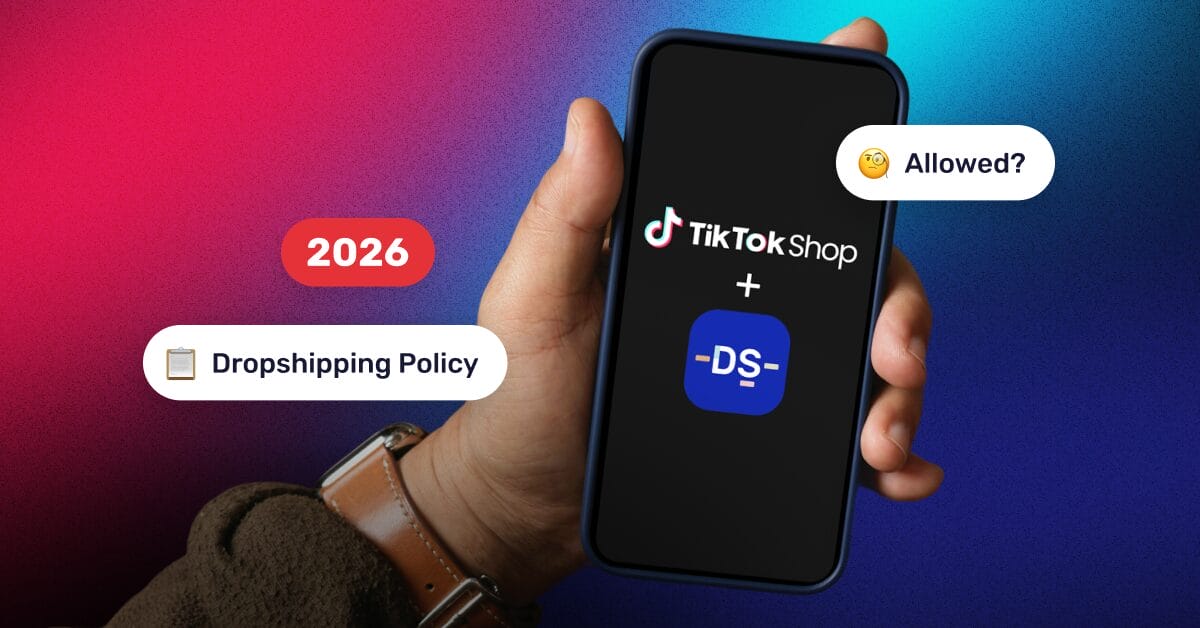
TikTok Shop seller compliance in 2026 is no longer merely a standard operational issue. It directly affects account health, fulfillment performance, product accuracy, and long-term store stability. To grasp how compliance aids sellers in avoiding restrictions and bans, one must first examine the wider policy and enforcement environment that shapes TikTok Shop in 2026.
Understanding TikTok Shop’s Compliance Landscape in 2026
TikTok Shop has changed from a rapidly expanding social marketplace into a strictly controlled e-commerce system. This move toward compliance and genuineness is altering the way you run your business as a seller, particularly if you depend on dropshipping.
The Evolution of TikTok Shop Policies
It is the alert every seller fears. You wake up and look at your phone. Then you notice the alarming email subject: “Your account has been restricted.” In 2023, managing a dropshipping business on social platforms seemed like the Wild West era. Rules were scarce. Profits arrived swiftly. And inspections were uncommon. But now in 2026, the situation has shifted greatly. Platforms emphasize quality over mere expansion. A brief delay in adding a tracking code or some customer complaints about “simple packaging” can result in a quick system block.
This change mirrors worldwide patterns in online trade, where sites face growing oversight for buyer safety and product genuineness. TikTok’s compliance structure now aligns with global benchmarks, stressing confirmed sourcing, clear marketing, and fair fulfillment methods.
The concern feels intense. However, opportunities are still plentiful. These stricter rules arise because consumers spend more money than ever on social purchases. To succeed, you cannot operate as in previous years. Develop a strategy that prioritizes prompt responses and adherence to guidelines. Avoid quick fixes. This approach is vital since TikTok’s algorithm assesses not only your products but also your behind-the-scenes operations.
Key Compliance Principles for Sellers
Following platform rules and local laws is no longer a choice; it is essential for survival. Each listing needs to show precise product information, proper labeling, and honest statements about features or source. Openness creates confidence, whereas false details prompt automated checks.
The time for staying unnoticed has ended. TikTok Shop and similar platforms have shifted from human reviews to advanced AI-based monitoring. These tools examine activity patterns across numerous data elements, from upload rates to carrier scan times, to spot breaches automatically.
Common Reasons Sellers Get Banned from TikTok Shop
TikTok Shop bans typically stem from repeated violations of genuineness or operational honesty rather than isolated errors.
Misrepresentation and False Advertising
False advertising continues as a leading cause of suspension. Employing overstated claims or deceptive images can be marked as misleading behavior. Similarly, offering fake items breaks intellectual property rules, an area TikTok watches carefully with automatic detection software.
Unauthorized or Restricted Products
Selling unapproved beauty products, hazardous gadgets, or imitation goods puts your account at risk of instant removal. Local rules also count; certain items allowed in one area might be forbidden in another due to safety or approval variations. Automated tools detect restricted groups via keyword checks and image analysis, making sure even hidden listings are identified soon.
Manipulative Sales Practices and Fake Engagement
Artificial interaction, like bought reviews or bot-created likes, erodes buyer confidence and breaks TikTok’s genuineness rules. Working with click farms or engagement groups can lead to lasting bans because these practices skew real customer data.
Poor Fulfillment and Customer Service Performance
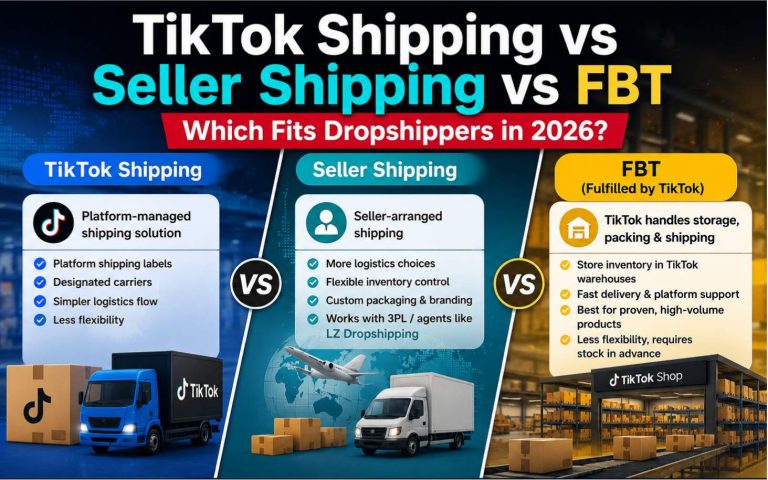
Operational shortcomings weigh as heavily as policy breaches. Quickness is key in social commerce. If your fulfillment method falls short of standards, it indicates unreliability to both buyers and systems. Under the 2026 TikTok Shop seller requirements, the time to ship items has narrowed. It was once fine to handle orders in three to five days. Now, without a valid tracking number uploaded and scanned in 48 hours, your account health score drops. Sellers missing these marks face suspension due to apparent carelessness rather than purpose.
Core Ban Prevention Strategies for 2026 Sellers
To remain compliant in this tougher setting, concentrate on forward-thinking steps that bolster reliability at each part of your work.
Strengthening Product Authenticity Verification
Work solely with approved suppliers who supply confirmable papers like invoices or origin certificates. Perform regular checks to confirm continued compliance with TikTok’s sourcing guidelines. Dependable partners like LZ Dropshipping make this easier by linking you with checked manufacturers who follow worldwide compliance rules while providing live order matching tools that fit TikTok Shop’s logistics needs perfectly.
Implementing Transparent Marketing Practices
Every promotional remark should rely on proof; steer clear of unclear exaggerations or unproven statements about product results. Paid partnerships need obvious disclosure labels so viewers spot sponsored content right away. Openness is not only right; it also impacts algorithmic placement, as tricky content often leads to moderation checks that reduce visibility ratings.
Optimizing Operational Reliability and Customer Experience
Smooth operations safeguard your compliance rating while boosting buyer happiness, a double benefit essential for enduring success on TikTok Shop.
Inventory Management Improvements
Employ linked inventory monitoring tools that refresh stock amounts across platforms immediately to avoid overselling during popular promotions.
Enhancing Fulfillment Accuracy and Timeliness
To satisfy the tight schedules of TikTok Shop ban prevention, your support operations must be perfect. Combine logistics automation so every order flows effortlessly from payment approval to sending without holdups.
Proactive Customer Support Systems
AI chat tools assist in fixing simple problems fast while keeping steady contact within platform rules. Track complaint trends often; common issues usually point out broader flaws before they grow into compliance fines.
Advanced Compliance Monitoring Techniques for Sellers in 2026
Tracking compliance goes beyond responding; it involves predicting dangers ahead via wise tech use.
Leveraging Data Analytics for Risk Detection
Modern analytics panels let you see alert patterns, such as late shipments or frequent keyword warnings in listings. Forecasting models aid in projecting possible breaches based on activity trends, instead of awaiting enforcement steps.
Automating Policy Adherence Checks with AI Tools
Automatic reviews examine product titles, descriptions, and ad materials against changing policy lists in real time, ensuring quick fixes before posting mistakes lead to fines. Compliance APIs also link your inner systems with platform changes, so fresh rules apply automatically without manual work.
Preparing for Future Regulatory Shifts in the E-commerce Ecosystem
As worldwide regulators seek unified digital trade systems, sellers should foresee cross-border effects early, rather than respond when controls tighten more.
Anticipating Global Policy Harmonization Efforts
Grasping how international buyer protection laws blend will aid in creating flexible processes that work across various areas without breaking local limits by mistake.
Adapting Business Models for Long-Term Platform Sustainability
Spreading income sources beyond one site lowers work risks but requires steady compliance across all paths, a rule simply upheld via combined fulfillment partners like LZ Dropshipping, which guarantees matched policy following no matter the platform link range.
Collaborating with Legal Advisors and Compliance Experts
Expert legal advice turns complicated rules into practical business plans by aiding in clear reading of unclear parts while building protective setups against conflicts or bans before they happen.
FAQ
Q1: What is the most common reason sellers get banned from TikTok Shop?
A1: The top reason involves weak logistics results paired with deceptive listings; if there is a steady delay between order placement and carrier scan time, they view it as dropshipping from untrustworthy sources.
Q2: How fast should I ship products on TikTok Shop in 2026?
A2: Without a valid tracking number uploaded and scanned within 48 hours, your account health score suffers. Achieving this schedule is now required for keeping seller compliance status.
Q3: Can automation tools really prevent bans?
A3: Yes, AI-based reviews spot mismatches early by scanning listings against current policies nonstop; this cuts human mistakes while supporting lasting ban avoidance plans across all tasks linked to your TikTok Shop setup.