Abrir una primera tienda en Shopify puede parecer económico. No se requiere alquilar un local ni un gran inventario inicial. Sin embargo, los gastos suelen aparecer más adelante, cuando un proveedor envía una muestra defectuosa, incumple las fechas de envío, modifica un producto sin previo aviso o deja al vendedor solo ante las reclamaciones de entrega.
La decisión sobre el primer proveedor merece más atención que un logotipo, un tema o un gran presupuesto publicitario. Una pequeña prueba debería revelar cómo se gestionan los productos, los pedidos, el embalaje, el envío y la comunicación antes de que llegue un volumen considerable de clientes.
¿Por qué los principiantes pierden dinero antes de la primera venta de un establo?
Un proveedor inadecuado rara vez parece estar equivocado durante una conversación inicial. El presupuesto puede ser atractivo y las respuestas rápidas. Los problemas comienzan cuando esas promesas se convierten en un pedido real.
Un producto barato puede resultar caro tras recibir una muestra defectuosa, un accesorio faltante o un paquete con número de seguimiento que no se mueve. El vendedor entonces paga dos veces: una para solucionar el problema del cliente y otra a través de reembolsos, envíos de reemplazo, malas reseñas o publicidad desperdiciada. El precio del proveedor es solo una parte del costo real.
Un precio unitario bajo puede ocultar fallos costosos.
Compare las cotizaciones sobre la misma base. Solicite a cada proveedor que desglose el precio del producto, el embalaje, los gastos de preparación, los gastos de envío, el costo de personalización y cualquier cargo por almacenamiento o gestión. Confirme que el producto cotizado sea exactamente igual al que se muestra en las fotos, incluyendo el material, el color, el enchufe, el tamaño, los accesorios y el embalaje original.
La oferta más baja no siempre es la más segura. Un proveedor más sólido puede replicar la misma configuración, explicar las opciones de envío y mostrar cómo se gestionan los defectos o las piezas faltantes. Esto evita que un anuncio rentable se convierta en un pedido no rentable.
Una demostración de la plataforma no es prueba de un servicio diario.
Un panel de control impecable no garantiza que un almacén seleccione el artículo correcto ni que responda cuando se necesite corregir una dirección. Solicite una demostración en vivo de la autorización de la tienda, la asociación de productos, la sincronización de pedidos, el pago, el estado de cumplimiento y la visibilidad del seguimiento.
Luego, pon a prueba la comunicación con una pregunta práctica. Por ejemplo, pregunta qué sucede si un cliente pide dos variantes, se devuelve un paquete o un producto se agota después de que se haya pagado el pedido en Shopify. La respuesta útil es específica: quién verifica el problema, cuándo se notifica al vendedor y qué opciones tiene.
Crea una prueba con proveedores antes de crear un catálogo extenso.
Empiece con un producto que sea fácil de inspeccionar y económico de reemplazar. Una prueba sencilla revelará si el problema se debe al producto, al embalaje, al almacén, a la línea de envío o a la configuración de la tienda.
Verifica la calidad del producto, la velocidad de envío, la respuesta del servicio, la política de envíos, el precio total y la gestión de pedidos de Shopify. Cada elemento proporciona información que permite realizar comparaciones.
Solicite un presupuesto completo por escrito.
Indique el país de destino, el rango de pedidos diarios, las especificaciones del producto, las variantes, el plazo de entrega y el tipo de embalaje solicitado. Pregunte cuánto tiempo es válida la cotización y qué factores pueden modificar el precio del envío.
Un equipo de abastecimiento competente también debería poder buscar un producto y ofrecer un presupuesto útil sin que el vendedor tenga que contactar por su cuenta con varias fábricas. LZ Dropshipping Proporciona información sobre la búsqueda de productos y presupuestos, pero un principiante debería verificar la versión exacta del producto, la disponibilidad y el costo de envío antes de publicarlo.
Realiza una prueba de muestra y envío antes de comprar anuncios.
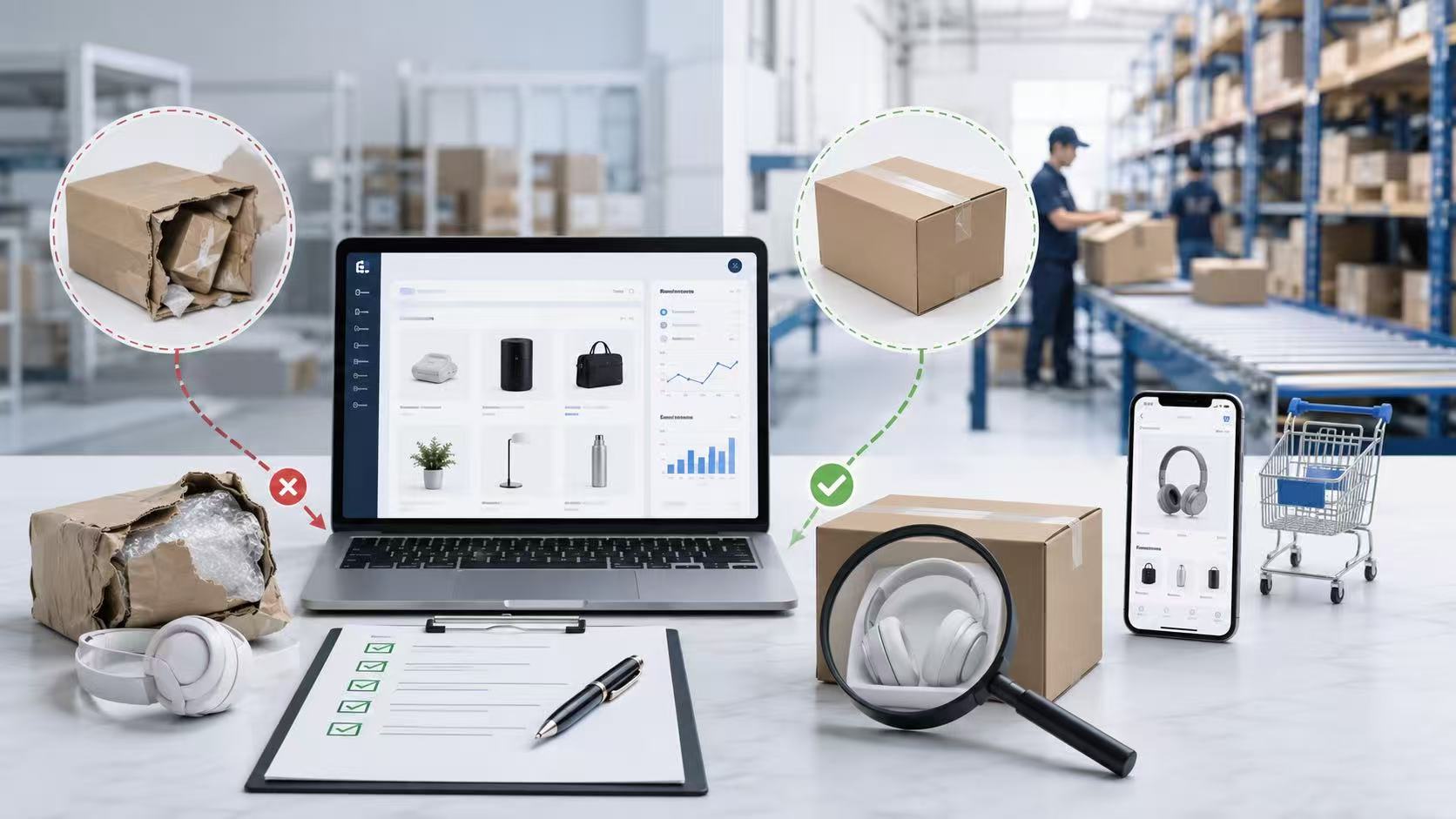
Solicite una muestra al mercado objetivo. Inspeccione su acabado, dimensiones, piezas móviles, accesorios, instrucciones, daños en el embalaje y compruébelo que coincida con la descripción. Fotografie el paquete y registre el tiempo de tránsito real.

El proceso de almacén es tan importante como la muestra. LZ Dropshipping revisa los productos al ingresar al almacén y nuevamente antes del envío. Esto permite detectar defectos visibles, variantes incorrectas o paquetes incompletos. Los vendedores deben acordar el alcance de la revisión, ya que las comprobaciones de apariencia no reemplazan las pruebas específicas del producto.
Ejecute al menos un pedido de prueba real a través del flujo de trabajo de pedidos con un solo clicVerifique que la dirección, el SKU, la cantidad, el método de envío, el estado del pago y los datos de seguimiento se mantengan correctos desde Shopify hasta el envío. Una muestra exitosa con un envío gestionado manualmente no demuestra que el flujo normal de pedidos funcione.
Comprueba si el proveedor se ajusta a un flujo de trabajo real de Shopify.
Una vez que el producto pase la prueba, compruebe el funcionamiento. Unos registros de producto consistentes, información de inventario útil, una gestión de pagos clara y un estado de pedido rastreable deberían reducir el trabajo manual.
Verificar el flujo de pedidos y el manejo de excepciones.
Pregunte cómo se asocia un pedido con el SKU del proveedor correcto y qué sucede cuando los datos del cliente están incompletos. La plataforma debería permitir revisar los pedidos y la información de envío sin depender de mensajes de chat dispersos. LZ Dropshipping utiliza su propio ERP, donde los vendedores pueden agregar fondos y ver saldos, pedidos y detalles de envío.
El soporte operativo también importa después de la configuración. Un grupo de comunicación dedicado y un servicio personalizado pueden acortar el tiempo entre un problema en la tienda y una respuesta del almacén. Antes de escalar, envíe algunas preguntas excepcionales al equipo de operaciones de proveedores y evaluar si las respuestas contienen una acción, un responsable y un plazo realista.
Adapta las opciones de envío a la promesa de tu tienda.
No elijas una empresa de envío basándote únicamente en la tarifa más baja. Compara la cobertura de entrega, la calidad del seguimiento, las restricciones de envío, los recargos por zonas remotas y la forma en que se gestionan los retrasos o las devoluciones. La información que aparece al finalizar la compra en Shopify debe reflejar la ruta de envío seleccionada para ese producto y destino.
LZ Dropshipping trabaja con YunExpress, Yanwen, Wanb Express, 4PX y SF Express. Cada SKU requiere una verificación de ruta. Si hay stock disponible, es posible el envío el mismo día; confirme la hora límite y la disponibilidad antes de publicar esta información.
Escalar solo después de pedidos pequeños. Repetir el mismo resultado.
El primer paquete recibido es alentador, pero no concluyente. Realice varios pedidos pequeños con diferentes variantes o destinos y compare los resultados. Preste atención a posibles desviaciones en la configuración, retrasos en el seguimiento, cambios en el embalaje y respuestas inconsistentes entre el contacto de ventas y el equipo de almacén.
Dejemos que la evidencia operativa determine el próximo nivel de gasto.
Mantenga un sistema sencillo de evaluación de proveedores que incluya el costo de entrega, la coincidencia de muestras, los plazos de envío, el seguimiento de eventos, la velocidad de respuesta y la resolución de problemas. Aumente la publicidad gradualmente solo cuando estos registros se mantengan estables. Esto evita que el capital quede inmovilizado en reembolsos mientras se corrige el proceso del proveedor.
Las condiciones de pago también pueden afectar el flujo de caja inicial. LZ Dropshipping ofrece facilidades de pago, pero la disponibilidad y las condiciones deben confirmarse en la cuenta del vendedor. Considere las condiciones como un apoyo para el capital de trabajo, no como una razón para omitir las pruebas de producto y envío.
Agregar la marca una vez que el cumplimiento sea estable.
El empaquetado personalizado, las etiquetas y la fotografía de productos pueden ayudar a que una tienda Shopify luzca uniforme, pero implican más archivos, aprobaciones, cantidades mínimas y mayores probabilidades de errores de versión. Empiece con el empaquetado estándar mientras evalúa la demanda. Opte por el empaquetado personalizado solo cuando el proveedor pueda replicar el producto y el resultado de la entrega.
Cuando la marca esté lista, proporcione el diseño aprobado, las dimensiones, los colores, la posición de la etiqueta y un ejemplo del proceso de aprobación. Pregunte cómo se almacena el embalaje sin usar y qué sucede cuando se modifica un producto. Estos detalles evitan que se utilicen cajas o etiquetas antiguas en una nueva versión.
Toma tu primera decisión sobre proveedores con una prueba pequeña y completa.
Un principiante no necesita el proveedor con el catálogo más extenso ni la promesa más audaz. La mejor opción es el proveedor que facilita la verificación del primer producto, el seguimiento del primer pedido y la resolución de cualquier problema.
Comience con una cotización escrita, una muestra, un pedido real y una breve tarjeta de puntuación. Si el producto, las verificaciones de almacén, los datos del pedido, la ruta de envío y la comunicación se mantienen, aumente el volumen en pasos medidos. Para comparar el abastecimiento, el embalaje, el envío y la configuración de la cuenta para un producto específico, Contacta con LZ Dropshipping Con el mercado de destino y el rango de pedidos previsto. Los vendedores que deseen probar el sistema también pueden abrir una cuenta de vendedor y realizar un pedido pequeño antes de comprometer un mayor presupuesto.
Preguntas frecuentes
P1: ¿Cuántos proveedores debería probar un principiante en Shopify?
A1: Pruebe con dos o tres proveedores para el mismo producto, utilizando las mismas especificaciones y destino. Esto facilita la comparación de costos, calidad de las muestras, velocidad de envío, seguimiento y comunicación, sin que la prueba se vuelva inmanejable.
P2: ¿Es suficiente con una buena muestra para elegir un proveedor de dropshipping?
A2: No. Una muestra verifica el producto, pero un pedido real verifica la coincidencia de SKU, el pago, la gestión en almacén, el embalaje, el envío y el seguimiento. Realice varios pedidos pequeños antes de aumentar la publicidad o añadir muchas variantes.
P3: ¿Puede LZ Dropshipping ofrecer soporte para el empaquetado y la gestión de pedidos a medida que la tienda crece?
A3: Sí. Sus servicios incluyen abastecimiento, control de almacén, empaquetado, sincronización de pedidos, múltiples rutas logísticas y atención personalizada. Confirme el producto, el empaquetado, la ruta, el stock y las condiciones de la cuenta antes de ampliar la producción.