Eine reibungslose Auftragsabwicklung hängt von mehr als nur dem verfügbaren Lagerbestand ab. E-Commerce-Teams benötigen einen klaren Überblick über die Herkunft der Produkte, die für die einzelnen Bestellungen zuständigen Lieferanten und die potenziellen Lieferrisiken. Die Lieferantenanalyse ist hierbei ein hilfreiches Instrument und trägt zu einer zuverlässigen und stabilen Auftragsabwicklung bei.
Was versteht man unter Lieferantenmapping im Kontext des E-Commerce?
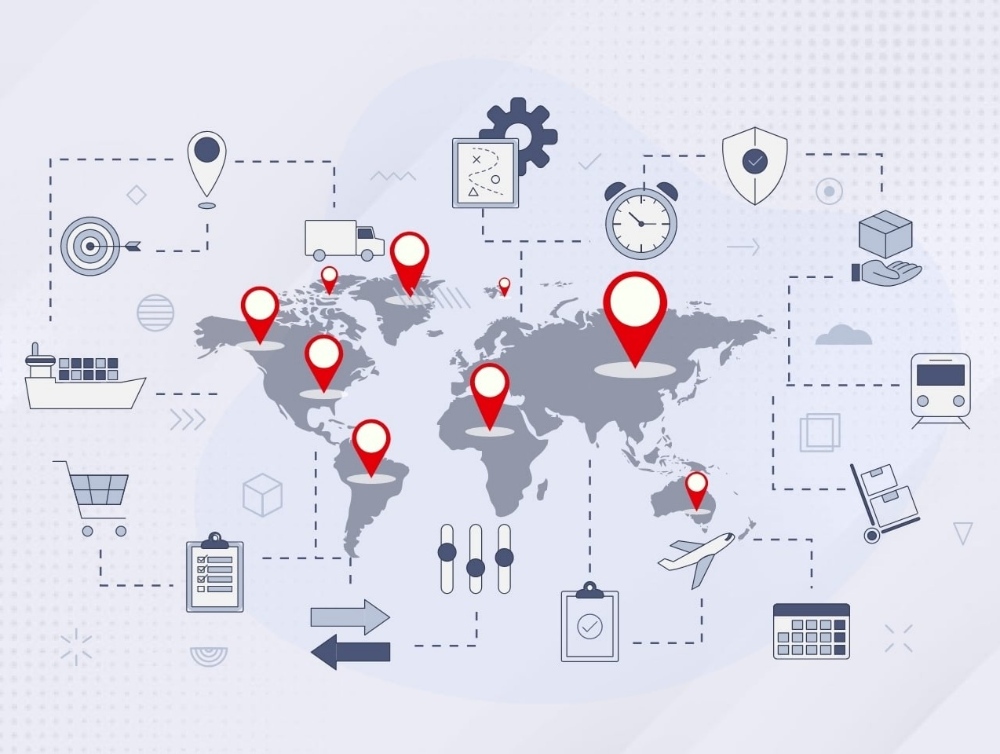
Lieferantenzuordnung Für Unternehmen, die eine präzise Auftragsabwicklung und reibungslose E-Commerce-Versandprozesse anstreben, ist dies zu einer zentralen Anforderung geworden. Es geht weit über die einfache Datenerfassung hinaus. Vielmehr dient es als umfassender Prüfprozess, der alle Lieferanten im Fulfillment-System eines Unternehmens identifiziert, protokolliert und bewertet. Dieser Ansatz ermöglicht es Unternehmen, das gesamte Lieferantennetzwerk transparent zu überblicken – inklusive Standorten, Produktionsniveaus und Verbindungen auf verschiedenen Ebenen.
Ein solides Lieferanten-Mapping fördert die Zusammenarbeit in den Bereichen Einkauf, Versand und Distribution. Es hilft Unternehmen, die Standorte ihrer Lieferanten, deren Arbeitsweisen und potenzielle Risiken zu verstehen. Mit diesem Überblick können E-Commerce-Unternehmen die optimalen Wege zur Warenbeschaffung wählen und Notfallpläne erstellen. Im heutigen wettbewerbsintensiven Markt, in dem Käufer schnellere und korrekte Lieferungen mehr denn je erwarten, unterstützt das Lieferanten-Mapping die Kernprozesse, die eine zuverlässige Auftragsabwicklung gewährleisten.
Wie verbessert die Lieferantenkartierung die operative Transparenz?
Transparenz ist ein grundlegender Bestandteil des modernen Lieferkettenmanagements. Die Lieferantenanalyse schafft eine einheitliche Sicht auf Lieferantenbeziehungen und Leistungskennzahlen. Sie liefert aktuelle Informationen zur Zuverlässigkeit und Reaktionsgeschwindigkeit der Lieferanten. Diese Transparenz hilft Einkaufsteams, potenzielle Probleme frühzeitig zu erkennen, bevor sie sich zu größeren Schwierigkeiten ausweiten.
Darüber hinaus fördert die Lieferantenkartierung die Zusammenarbeit zwischen PProdukt SBeschaffung, Versand- und Auftragsabwicklungsgruppen. Dadurch wird sichergestellt, dass alle dieselbe Informationsquelle nutzen. Wenn alle Teams verlässliche Informationen zu den Fähigkeiten und Kapazitäten der Lieferanten erhalten, wird die Planung von Lieferzeiten und die Bewältigung von Nachfrageänderungen deutlich einfacher.
Der Zusammenhang zwischen Lieferantenkartierung und präziser Auftragsabwicklung
Für eine präzise Auftragsabwicklung ist die exakte Abstimmung zwischen Lieferketten- und Auftragsabwicklungssystemen unerlässlich. Aktuelle Lieferanteninformationen gewährleisten korrekte Lagerbestände in allen Systemen. Lieferanten können Lagerbestände und Wartezeiten über die verknüpften Systeme umgehend aktualisieren. Dadurch vermeiden Händler Überverkäufe oder Lieferengpässe und somit Bestellfehler.
Zuverlässigkeit und Transparenz sind für Online-Käufer von großer Bedeutung. Sie schaffen Vertrauen und bestärken sie in ihrem Kaufverhalten. Dieser Punkt unterstreicht, wie wichtig Transparenz für das Kundenvertrauen ist. Ein effektives Lieferanten-Mapping trägt direkt dazu bei. Unternehmen können so Erkenntnisse aus ihrer Lieferkette mit den Kundenwünschen verknüpfen. Sie stellen korrekte Versandinformationen im Checkout bereit und reduzieren Lieferprobleme.
Die Kenntnis der Zuverlässigkeit jedes Lieferanten ermöglicht es Unternehmen, Bestellungen gezielt zu versenden. Sie leiten Bestellungen anhand von Daten aus früheren Lieferungen und Bewertungen an vertrauenswürdige Lieferanten weiter. Dadurch werden Lieferzeiten und Falschlieferungen reduziert. Kunden erhalten ihre Waren wie erwartet.
Wie Lieferantenmapping die Versandeffizienz im E-Commerce verbessert
Optimierung von Fulfillment-Netzwerken mit mehreren Lieferanten

In dynamischen E-Commerce-Umgebungen mit vielen Lieferanten oder Logistikpartnern (3PL) spielt die Standortanalyse eine zentrale Rolle bei der Optimierung der Auftragsabwicklung. Sie zeigt, welche Lieferanten aufgrund ihrer Nähe oder Produktionskapazitäten am besten für bestimmte Artikel oder Regionen geeignet sind.
Wenn Sie Ihr Unternehmen ausbauen und Ihren Kunden einen hervorragenden Versand bieten möchten, müssen Sie in die Abwicklung Ihrer E-Commerce-Bestellungen investieren. Dies gelingt besonders gut mit der Nutzung von Lieferanteninformationen, um reibungslose Abläufe zu gewährleisten. Durch die Auswahl von Lieferanten, die in bestimmten Gebieten zuverlässig liefern, verkürzen E-Commerce-Unternehmen die Transportzeiten und senken gleichzeitig die Versandkosten.
Die Lieferantenkartierung unterstützt auch gemischte Vertriebsstrukturen, die Dropshipping-Gruppen mit lagerbasierten oder von 3PL-Anbietern betriebenen Lagersystemen kombinieren. Diese Diversifizierung reduziert Abhängigkeitsrisiken und hält Optionen für die Bewältigung plötzlicher Nachfragespitzen offen.
Verbesserung der Leistung bei der Zustellung auf der letzten Meile
Die Zustellung auf der letzten Meile zählt weiterhin zu den kostenintensivsten Aspekten des E-Commerce-Versands. Kartendaten zur Nähe von Lieferanten ermöglichen eine optimierte Routenplanung für die Zusteller. Befinden sich Lieferanten in der Nähe von Kundengruppen, verkürzen sich die Lieferzeiten erheblich.
Mit dem Wachstum von E-Commerce-Plattformen ist der Bedarf an zuverlässiger Auftragsabwicklung und Fulfillment-Services so hoch wie nie zuvor. Eine optimale Zusammenarbeit im Bereich der Zustellung auf der letzten Meile, basierend auf detaillierten Informationen, erfüllt diesen Bedarf. So werden Lieferfehler und -geschwindigkeit nicht beeinträchtigt. Letztendlich steigert dies die Kundenzufriedenheit durch pünktliche Lieferungen.
Nutzung von Technologie für ein effektives Lieferanten-Mapping im Jahr 2026
Die Rolle von KI und Datenanalyse bei der Lieferantentransparenz
Künstliche Intelligenz (KI) verändert die Art und Weise, wie Unternehmen Lieferanten auswählen. KI-basierte Bewertungstools analysieren vergangene Produktionstrends der Lieferanten und prognostizieren potenzielle Probleme, bevor diese auftreten. Lernalgorithmen verbessern die Auswahlmöglichkeiten durch neue Kennzahlen wie veränderte Wartezeiten oder höhere Durchsatzraten.
Datenverknüpfungsplattformen Sie ziehen außerdem Informationen aus verschiedenen Geschäftssystemen heran. Dazu gehören Einkaufssoftware, Lagerverwaltungssysteme und Transportverwaltungssysteme. Diese Informationen bilden eine zentrale Plattform für gruppenübergreifende Entscheidungen.
Blockchain für sichere und transparente Lieferantennetzwerke
Die Blockchain-Technologie verbessert die Nachverfolgbarkeit in komplexen Lieferketten. Sie protokolliert unveränderliche Vereinbarungen zwischen Beteiligten beim Kauf oder Versand. Intelligente Verträge führen die Regelprüfungen selbstständig durch. Sie stellen sicher, dass Zahlungen erst nach Erreichen der geprüften Lieferpunkte erfolgen.
Diese technologische Transparenz fördert die Zusammenarbeit aller Beteiligten. Von Rohstofflieferanten bis hin zu Kurierdiensten am Zielort wird ein sicheres Umfeld geschaffen. Vertrauen ersetzt die in alten Lieferketten häufig auftretenden Mängel durch manuelle Überwachung.
Vorbereitung von E-Commerce-Unternehmen auf die Zukunft der Auftragsabwicklungsgenauigkeit
Da sich der Onlinehandel bis 2026 weiter wandelt, bleiben regelmäßige Aktualisierungen der Lieferantenkarten unerlässlich, um den sich ändernden Marktbedürfnissen gerecht zu werden. Die regelmäßige Überprüfung dieser Karten stellt sicher, dass Unternehmen angemessen reagieren können, wenn sie neue Verkäufer hinzufügen oder ihre Gebietsabdeckung aufgrund von Veränderungen im Welthandel oder im Kaufverhalten anpassen.
Die jährliche Überprüfung Ihres Versandplans ist der beste Weg, um sicherzustellen, dass Kurier- und Lieferdienste den Bedürfnissen Ihrer Waren und Kunden optimal entsprechen. Diese Übersicht im Rahmen der Lieferantenanalyse bietet Schutz vor unerwarteten Problemen und ermöglicht flexible Entscheidungen bei Nachfrageschwankungen.
Die Verknüpfung von Datenansichten mit übergreifenden Fulfillment-Plänen fördert die Zusammenarbeit zwischen verschiedenen Teams. Einkaufsteams kümmern sich um die Akquise von Angeboten, und Lagermanager überwachen die Lagerverteilungsregeln. Durch die Kombination von Prognoseanalysen aus verknüpften Datenquellen mit Bedarfsprognosetools führender 3PL-Anbieter wandeln E-Commerce-Unternehmen ihre Abläufe in agile Systeme um. Diese ermöglichen eine präzise und zielgerichtete Wachstumssteuerung.
FAQ (häufig gestellte Fragen)
Frage 1: Warum ist die Lieferantenzuordnung so wichtig für eine präzise Auftragsabwicklung?
A1: Die Lieferantenkartierung ermöglicht vollständige Transparenz auf allen Ebenen eines E-Commerce-Netzwerks. Sie erlaubt die sofortige Zusammenarbeit zwischen Lieferanten und Versandpartnern. Dadurch werden Bestellabweichungen reduziert, da die Lagerbestandsinformationen in allen Systemen stets aktuell sind.
Frage 2: Wie verbessert Technologie die moderne Lieferantenkartierung?
A2: KI-gestützte Analysen decken Risikotrends bei Lieferanten auf. Blockchain verbessert die Nachverfolgbarkeit durch unveränderliche Transaktionsprotokolle. Beide Technologien zusammen erhöhen die Transparenz globaler Lieferketten.
Frage 3: Welcher Partner kann bei der Implementierung einer effizienten Versandintegration in Verbindung mit der Lieferantenzuordnung helfen?
A3: Unternehmen, die nach Wachstumslösungen suchen, können sich mit folgenden zusammenschließen: LZ DropshippingDer Fokus liegt auf schnellen und korrekten Lieferungen, unterstützt durch leistungsstarke E-Commerce-Fulfillment-Technologie, die für reibungslose Verbindungen mit abgebildeten Lieferketten sorgt.