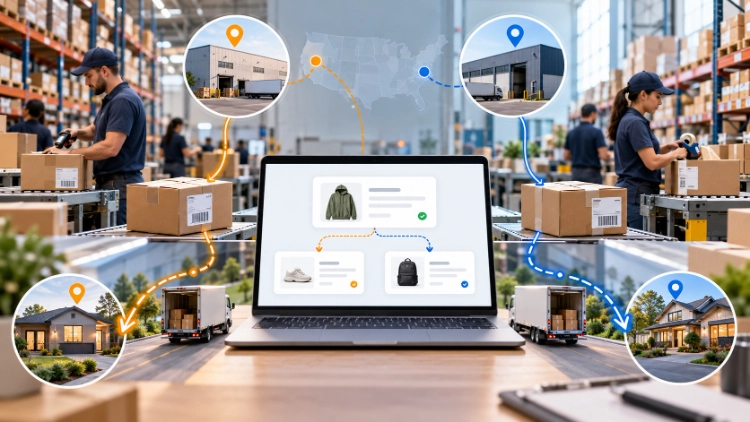
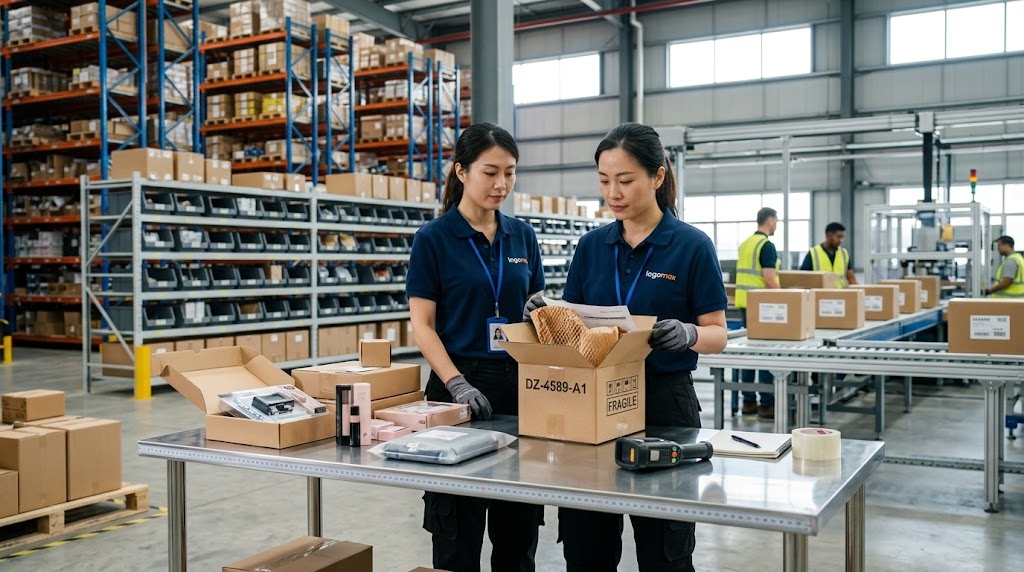
Ein Shopify-Dropshipping-Agent sollte mehr leisten, als Bestellungen nur an einen Lieferanten weiterzuleiten. Für einen Shop, der expandieren möchte, muss der Agent Beschaffung, Artikelverwaltung, Qualitätskontrollen, Verpackung, Lagerhaltung, Versand, Sendungsverfolgung und Fehlermanagement miteinander verknüpfen. Die richtige Wahl hängt davon ab, ob dieser Prozess auch bei steigendem Bestellvolumen und zunehmender Produktkomplexität präzise bleibt.
Warum ändert sich die Agentenauswahl mit dem Wachstum eines Shopify-Shops?
Während der Produkttestphase kann ein Verkäufer manuelle Angebote, Einzelbestellungen und per Nachricht übermittelte Sendungsverfolgungsnummern akzeptieren. Sobald mehrere Produkte täglich Bestellungen generieren, kann derselbe Prozess zu Doppelarbeit, nicht übereinstimmenden Varianten, langsamen Aktualisierungen und unklaren Verantwortlichkeiten führen.
Skalierung verändert auch die Fragen, die sich ein Verkäufer stellen sollte. Ein heute verfügbares Produkt muss möglicherweise nächsten Monat neu beschafft werden. Standardverpackungen erfordern später eventuell markenspezifische Einlagen. Eine Versandroute eignet sich unter Umständen für einen leichten Artikel, aber nicht für ein sperriges oder übergroßes Produkt. Ein Shopify-Dropshipping-Partner muss sowohl das aktuelle Auftragsprofil als auch die nächste Stufe unterstützen.
Bevor Sie einen längerfristigen Vertrag abschließen oder ein regelmäßiges Auftragsvolumen verlagern, bewerten Sie den Agenten anhand von sechs miteinander verbundenen Kriterien.
1. Kann der Agent die Shopify-Beschaffung über das erste Angebot hinaus steuern?
Die Beschaffung bei Shopify beginnt mit der Identifizierung eines Produkts, doch der Prozess muss auch den genauen Artikel definieren, der gekauft werden soll. Ein Angebot sollte die Lieferantenreferenz, die Spezifikation, das Modell, die Variante, die Verpackung, den Einzelpreis, die Versandkosten innerhalb Deutschlands und die voraussichtliche Verfügbarkeit enthalten. Andernfalls könnten sich zwei Angebote auf Produkte beziehen, die nicht austauschbar sind.
Prüfen Sie die Wiederholbarkeit, nicht nur die Verfügbarkeit.
Erkundigen Sie sich, wie der Agent mit Lieferantenwechseln, auslaufenden Varianten, Preisänderungen und Nachbestellungen umgeht. Kann das Originalwerk die nächste Charge nicht liefern, klären Sie, ob für einen Ersatz eine Genehmigung, eine Stichprobenprüfung oder eine erneute Qualitätskontrolle erforderlich ist.
Die LZ-Produktbeschaffungsservice Kann die Produktidentifizierung und Angebotserstellung im Rahmen eines umfassenderen Fulfillment-Workflows unterstützen. Verkäufer sollten weiterhin einen eindeutigen Produktlink oder eine Spezifikation bereitstellen und eine schriftliche Bestätigung der genauen Varianten, Verpackungen und Lieferbedingungen, die dem Angebot zugrunde liegen, anfordern.
2. Können Shopify-Bestellungen ohne erneuten Datenaufbau in die Auftragsabwicklung überführt werden?
Die Auftragsabwicklung mit Shopify für Dropshipping wird schwierig, wenn Shop- und Lagerdaten unterschiedliche Kennungen verwenden. Da sich Titel leicht ändern lassen, sollte die Auftragsabwicklung auf einer kontrollierten SKU- oder Variantenzuordnung basieren. Das System sollte Bestellnummer, Zahlungsstatus, Artikelnummern, Mengen, Adresse, Versandart, Anmerkungen und Lageranweisungen erhalten.
Testen Sie die Ausnahmen, bevor Sie den vollständigen Katalog verbinden.
Eine einfache Einzelbestellung sagt wenig aus. Testen Sie ähnliche Varianten, ein Bundle, einen nicht vorrätigen Artikel, eine Stornierung, eine unvollständige Adresse und eine Teilbestellung. Der Workflow sollte anzeigen, welche Bestellungen weiterbearbeitet, welche gestoppt und wer eine Sperre aufheben kann.
Ein automatisierter Shopify-Fulfillment-Workflow Die wiederholte Auftragserfassung und die Meldung des Rückgabestatus an das Betriebssystem können reduziert werden. Automatisierung ist nur dann sinnvoll, wenn die Zuordnungsregeln und die Ausnahmewarteschlange sowohl für den Verkäufer als auch für das Auftragsabwicklungsteam sichtbar sind.
3. Sind die Anweisungen für Qualitätskontrolle und Verpackung ausreichend spezifisch?
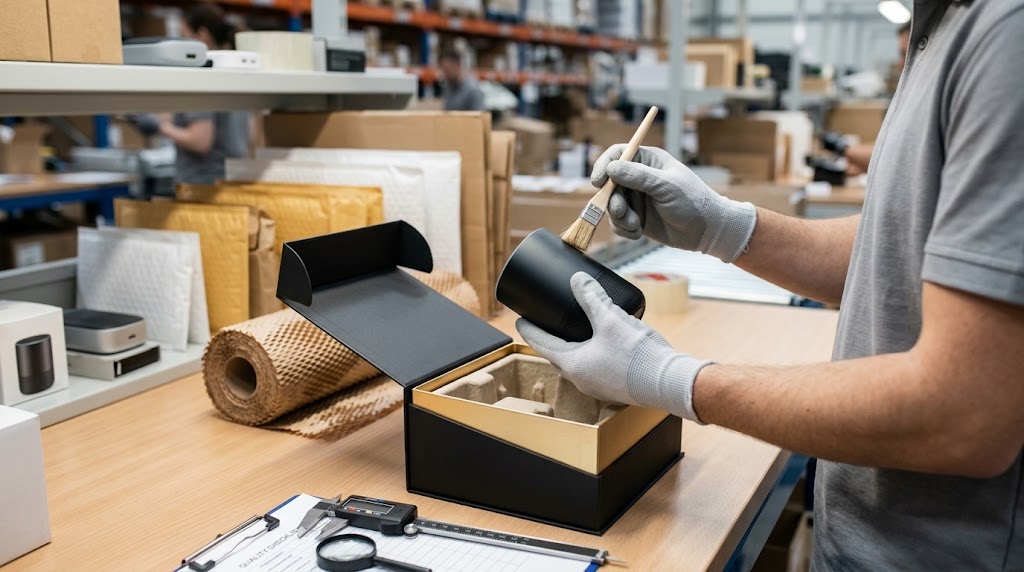
Eine allgemeine Zusage zur „Qualitätsprüfung“ definiert die Inspektion nicht. Der Verkäufer sollte konkrete Prüfpunkte wie Menge, Variante, Abmessungen, sichtbare Schäden, Zubehör, Etikettierung, Verpackungszustand oder eine geeignete Funktionsprüfung festlegen. Die Checkliste sollte angeben, ob die Prüfung jede einzelne Einheit, eine Stichprobe oder nur den äußeren Zustand umfasst.
Die Verpackungsanweisungen erfordern dieselbe Präzision. Versandtaschen, Schutzverpackungen, Einleger, Etiketten und Markenkartons benötigen unterschiedliche Materialien und Arbeitsaufwand. Prüfen Sie genau, was enthalten ist, wie die Materialien gelagert werden und wie Änderungen der Anweisungen verwaltet werden.
Wenn ein Geschäft bereit ist, Branding hinzuzufügen, Unterstützung bei individuellen Verpackungen und Markenbildung Dies kann Kartons, Beutel, Etiketten und andere individuell gestaltete Elemente umfassen. Die Genehmigung sollte weiterhin an eine bestimmte Grafikversion, die entsprechenden Artikelnummern, die Verpackungsreihenfolge und die Restmaterialrichtlinie gebunden sein.
4. Kann die Auftragsabwicklung Bestands- und Mengenänderungen unterstützen?
Ein Geschäft benötigt nicht für jedes Produkt ein eigenes Lagermodell. Neue Artikel können nach jedem Verkauf nachbestellt werden, während sich die Vorhaltung von Lagerbeständen bei stabilen Produkten lohnen kann. Klären Sie, wo die Waren gelagert werden, wie der Bestand erfasst wird und wie Fehlmengen zugeordnet werden.
img.Shopify-Sourcing-Fulfillment-Checklist.jpg
Verwenden Sie bei der Bewertung der Skalierungsunterstützung mindestens drei Volumenszenarien:
| Szenario | Was soll getestet werden? |
| Normale Woche | Täglicher Bestellschluss, Lagerabzug, Kommissioniergenauigkeit und Sendungsverfolgungs-Upload |
| Werbeanstieg | Zeitarbeitskräfte, Verpackungsmaterial, Nachschub und Versandkapazität |
| Lieferantenunterbrechungen | Alternative Beschaffung, Genehmigungskontrollen, Priorisierung von Lagerbeständen und Kundenkommunikation |
Ein niedrigerer Stückpreis bedeutet nicht zwangsläufig niedrigere Gesamtkosten. Mindestbestellmengen, zusätzlicher Bearbeitungsaufwand, Verpackung, Teillieferungen, Zuschläge für abgelegene Gebiete, Retouren und Kontogebühren können die Kosten pro abgeschlossener Bestellung beeinflussen.
5. Bietet der Agent verschiedene Versandoptionen und eine nutzbare Sendungsverfolgung an?
Ein Shopify-Dropshipping-Agent sollte die Versandrouten hinsichtlich Packgewicht, Abmessungen, Zielort, Produktbeschränkungen, Kosten und Servicelevel vergleichen. Nicht dieselbe Route sollte für jedes Produkt verwendet werden, nur weil sie für einen bestimmten Zielort günstig ist.
Auch für die Sendungsverfolgung ist ein Betriebsstandard erforderlich. Der Verkäufer sollte die korrekte Sendungsnummer, den Spediteur und den Link zur Sendung erhalten. Teilpakete benötigen separate Sendungsverfolgungsinformationen. Ungültige Sendungsnummern, verzögerte erste Scans, fehlgeschlagene Zustellversuche und längere Zeiträume ohne Sendungsverfolgung sollten ein Ausnahmeverfahren mit einem benannten Empfänger auslösen.
Bei Testbestellungen oder Käufen, die noch der Zustimmung des Verkäufers bedürfen, integrierter Ein-Klick-Bestellprozess kann den Produktkauf, den Wareneingang im Lager, die Inspektion, das Wiegen, die Konsolidierung und die Routenwahl unterstützen, ohne jeden Auftrag vollständig zu automatisieren.
6. Wer ist zuständig für Ausnahmen, Fragen zur Abrechnung und die tägliche Kommunikation?
Anbietervergleiche beschreiben oft nur den Standard-Arbeitsablauf. Fragen Sie nach, wer für Bestandsabweichungen, falsche Varianten, Beschädigungen, Adresskorrekturen, fehlgeschlagene Zustellungen, Retouren, Nachlieferungen und Rechnungsstreitigkeiten zuständig ist.
Die Zuständigkeiten im Servicebereich sollten schriftlich festgehalten und nicht einfach vorausgesetzt werden. Eine sinnvolle Betriebsvereinbarung regelt den Kommunikationskanal, die erwarteten Reaktionszeiten, die Genehmigungsbefugnisse, die für eine Reklamation erforderlichen Nachweise und den Eskalationsweg. Verkäufer sollten außerdem prüfen, ob sie Kontostände, Bestellkosten, Lagerstatus und Sendungsverfolgungsdaten einsehen können, ohne jede Aktualisierung manuell anfordern zu müssen.
Das umfassendere LZ Dropshipping-Fulfillment-Netzwerk Es vereint Beschaffung, Qualitätskontrollen, Lagerhaltung, Verpackung, Logistikoptionen, Sendungsverfolgung und Kundensupport. Ein Verkäufer sollte die für sein eigenes Bestellprofil relevanten Teile anhand von Musterbestellungen und schriftlichen Betriebsregeln validieren.
Wie sollten Verkäufer ein Pilotprojekt durchführen, bevor sie einen Makler auswählen?
Verschieben Sie nicht den gesamten Katalog nach nur einem Angebot. Wählen Sie Produkte aus, die die tatsächliche Komplexität des Geschäfts widerspiegeln, und führen Sie einen kontrollierten Testlauf durch.
Die Pilotfolge sollte Folgendes beinhalten:
- Ein Standardprodukt mit einer Variante.
- Zwei ähnliche Varianten, die verwechselt werden könnten.
- Eine Bestellung mit mehreren Artikeln oder ein Paket.
- Ein Produkt, das eine Inspektion oder eine spezielle Verpackung erfordert.
- Bestellungen für zwei oder mehr Zielzonen.
- Eine stornierte, verspätete oder nicht vorrätige Bestellung.
- Eine Teillieferung oder eine Ausnahme bei der Sendungsverfolgung.
Vergleichen Sie Angebots- und Rechnungskosten, Zustand der erhaltenen Ware, Artikelnummerngenauigkeit, Verpackungsgewicht, Versandzeitpunkt, Sendungsverfolgungsqualität und Reaktion auf Abweichungen. Das Pilotprojekt soll aufzeigen, ob der Prozess des Agenten wiederholbar ist und nicht nur, ob ein Paket den Kunden erreicht.
Schlussfolgerung
Die Wahl eines Shopify-Dropshipping-Partners beeinflusst die Konsistenz der Beschaffung, die Genauigkeit der Bestellungen, die Verpackung, die Transparenz des Versands und die Skalierbarkeit. Zuverlässiges Shopify-Fulfillment für Dropshipping erfordert Kontrollen bei der Beschaffung, Systemintegration, Qualitäts- und Verpackungsrichtlinien, Lagerverfügbarkeit, Logistik und die Zuständigkeit für Ausnahmefälle.
Die leistungsstärkste Shopify-Lösung für Beschaffung und Auftragsabwicklung zeichnet sich dadurch aus, dass Routinebestellungen effizient abgewickelt werden, während ungewöhnliche Bestellungen zur Überprüfung sichtbar bleiben. Verkäufer, die einen vernetzten Workflow testen möchten, können Starten Sie kostenlos mit LZ Dropshipping. unter Verwendung eines Produktlinks, einer Shop-Plattform, des erwarteten Bestellvolumens, der Zielmärkte und der Verpackungsanforderungen.
FAQ (häufig gestellte Fragen)
Frage 1: Welche Aufgaben übernimmt ein Shopify-Dropshipping-Agent normalerweise?
A1: Je nach Leistungsumfang kann ein Agent die Produktbeschaffung, Angebotserstellung, Lieferantenkoordination, Qualitätskontrollen, Lagerhaltung, Verpackung, Auftragsabwicklung, Versand, Sendungsverfolgung und das Sonderfallmanagement unterstützen. Der Verkäufer sollte die im Leistungsumfang enthaltenen Aufgaben schriftlich bestätigen lassen.
Frage 2: Wie können Verkäufer zwei Dropshipping-Agenten fair vergleichen?
A2: Geben Sie beiden Agenten dieselben Produktspezifikationen, Auftragsprofile, Zielortmixe, Verpackungsanforderungen und Testszenarien. Vergleichen Sie die endgültigen Rechnungskosten und Betriebsergebnisse anstatt nur den ursprünglichen Produktpreis.
Frage 3: Wann sollte ein Shopify-Verkäufer über eine Vorbestellung von Lagerbeständen nachdenken?
A3: Vorbestellungen können sinnvoll sein, wenn die Nachfrage wiederholbar ist, Lieferzeiten der Lieferanten zu Verzögerungen führen und der Verkäufer einen angemessenen Nachbestellwert prognostizieren kann. Neue oder unsichere Produkte eignen sich möglicherweise weiterhin besser für einen Test nach dem Kauf.