Wenn ein Dropshipping-Shop neu ist, mag die manuelle Arbeit noch überschaubar erscheinen. Ein Verkäufer kann eine Adresse kopieren, eine Bestellung aufgeben, die Sendungsverfolgung prüfen und einen Käufer informieren. Der Druck steigt jedoch mit zunehmendem Bestellvolumen. Kleine Verzögerungen werden zu wiederholten. Eine falsche Adresse führt zu einer Rückerstattungsanfrage. Fehlende Sendungsverfolgungsinformationen führen zu einer Kundenbeschwerde. Dann ist die Auftragsabwicklung nicht mehr nur eine Aufgabe nach dem Verkauf, sondern Teil des Betriebsrisikos des Shops.
Die automatisierte Auftragsabwicklung im Dropshipping-Bereich hilft Händlern, Bestelldaten, Lieferantenkoordination, Qualitätskontrollen, Versandentscheidungen und Sendungsverfolgungsaktualisierungen in einem einzigen Workflow zu verknüpfen. Dadurch werden die Schwachstellen reduziert, die entstehen, wenn Händler zu stark auf manuelle Auftragsabwicklung setzen.
Warum die manuelle Auftragsabwicklung bei steigenden Bestellungen riskant wird
Manuelle Auftragsabwicklung wird in der Testphase häufig eingesetzt, da sie einfach erscheint. Der Verkäufer erhält eine Bestellung, kauft das Produkt beim Lieferanten, gibt die Kundenadresse ein und wartet auf die Sendungsnummer. Für einige wenige Bestellungen mag dieses Verfahren funktionieren.
Das Problem ist die Konsistenz. Wenn Bestellungen von mehreren Shops oder aus verschiedenen Werbekampagnen eingehen, erhöht die manuelle Bearbeitung das Risiko von Verzögerungen und Fehlern. Verkäufer kopieren möglicherweise die falsche Variante, übersehen eine Lieferantennachricht, wählen eine ungeeignete Versandart oder vergessen, den Käufer zu informieren. Diese Probleme sind bei einer einzelnen Bestellung nicht immer gravierend, können aber bei vielen Bestellungen teuer werden.
Bestelldaten benötigen einen eindeutigen Pfad
Ein zuverlässiger E-Commerce-Fulfillment-Workflow beginnt mit sauberen Bestelldaten. Artikelnummer, Variante, Adresse, Versandart und Zahlungsstatus sollten ohne wiederholte manuelle Eingabe in den Fulfillment-Prozess gelangen. Werden dieselben Informationen in Tabellenkalkulationen, Lieferantenchats und Bestellseiten kopiert, wird die Fehlersuche deutlich erschwert.
Hier kann die automatisierte Auftragsabwicklung im Dropshipping-Verfahren die Kontrolle verbessern. Sie ermöglicht es dem Verkäufer, Bestellungen über einen übersichtlicheren Workflow abzuwickeln, anstatt jede Bestellung als separate Aufgabe zu behandeln.
Das Lieferrisiko beginnt bereits vor dem Versand.
Viele Verkäufer glauben, das Lieferrisiko beginne erst, nachdem das Paket das Lager verlassen hat. In der Praxis beginnt es jedoch schon früher. Wenn der Lieferant über einen instabilen Lagerbestand verfügt, das Produkt einer Qualitätsprüfung bedarf oder die gewählte Versandart nicht für den Zielmarkt geeignet ist, ist die Bestellung bereits gefährdet.
Die Automatisierung sollte nicht nur die Auftragsabwicklung beschleunigen. Sie sollte Verkäufern auch helfen, vor dem Versand zu überprüfen, ob ein Auftrag korrekt ausgeführt werden kann.
Was die automatisierte Dropshipping-Abwicklung beinhalten sollte
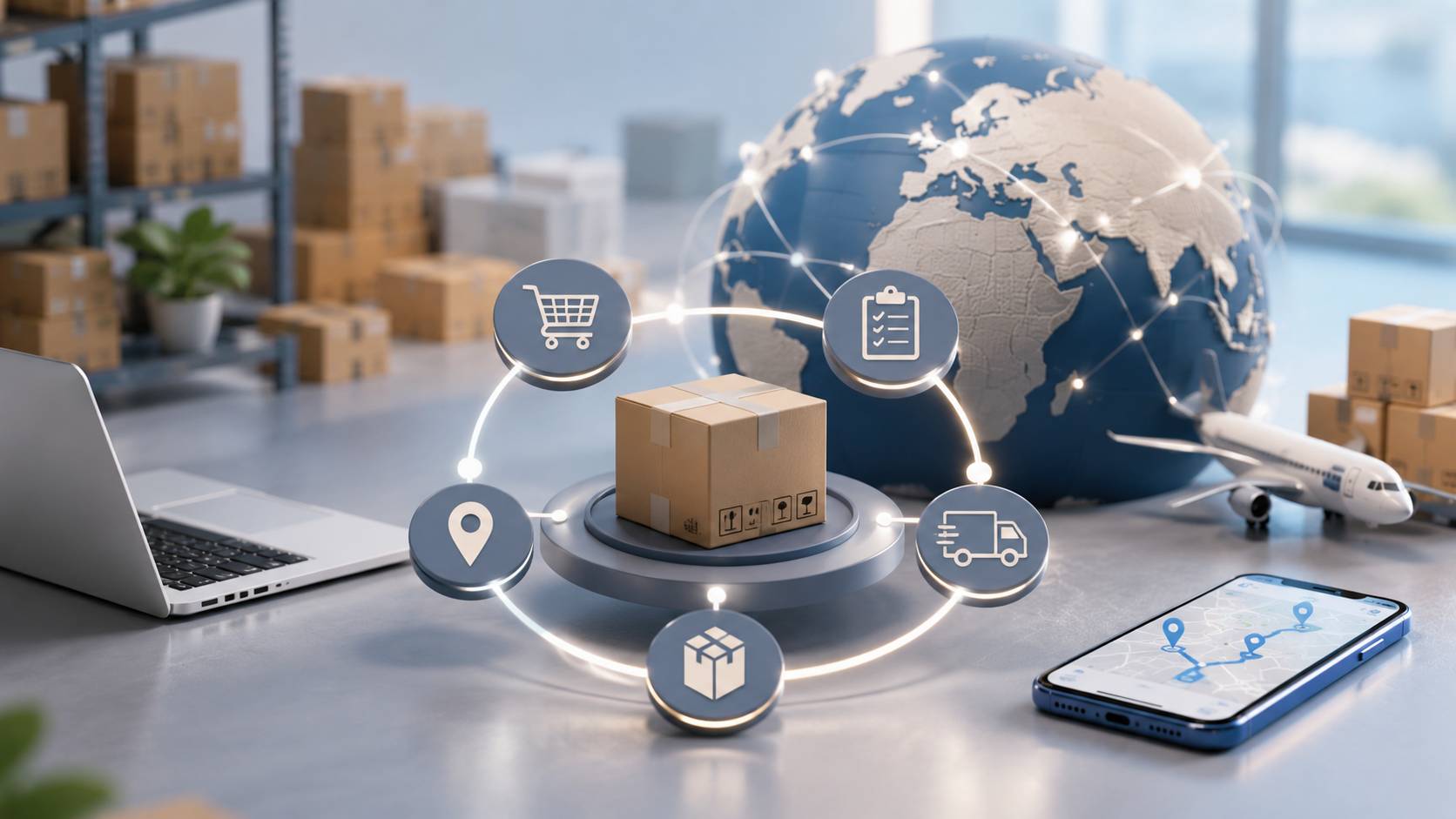
Ein leistungsstarker Fulfillment-Service für Dropshipping sollte mehr als nur die Auftragsübermittlung umfassen. Er sollte die operativen Schritte miteinander verknüpfen, die das Kundenerlebnis beeinflussen: Auftragsabgleich, Produktzuordnung, Bestandsprüfung, Qualitätskontrolle, Versandart und Sendungsverfolgung.
Automatische Auftragssynchronisierung
Die automatische Auftragssynchronisierung reduziert den Aufwand für die manuelle Übertragung von Bestelldetails. Sobald ein Kunde eine Bestellung aufgibt, werden die Informationen zusammen mit Produkt- und Versanddetails automatisch in das Auftragsabwicklungssystem übertragen. Dies hilft Verkäufern, Adressfehler, fehlende Varianten und verzögerte Auftragsprüfungen zu vermeiden.
von LZ Dropshipping automatische Erfüllung Der Service basiert auf diesem Workflow und umfasst die automatische Auftragssynchronisierung, Auftragsabwicklung, den Versand und die Sendungsverfolgung. Für Verkäufer, die mehrere Bestellungen verwalten, kann diese Struktur den manuellen Arbeitsaufwand deutlich reduzieren.
Produkt- und Lieferantenabgleich
Die Auftragsautomatisierung reicht nicht aus, wenn das Produkt nicht korrekt zugeordnet ist. Ein Fulfillment-Partner sollte prüfen, ob der angeforderte Artikel, die Variante, die Verpackung und der Lagerbestand des Lieferanten mit der Bestellung übereinstimmen. Dies ist besonders wichtig, wenn Verkäufer Trendprodukte mit schwankender Lieferantenverfügbarkeit anbieten.
Vor der Skalierung eines Produkts benötigen Verkäufer möglicherweise auch eine bessere Unterstützung bei der Beschaffung. Ein vernetztes Produktbeschaffungsdienst hilft dabei, die Produktauswahl mit den späteren Erfüllungsbedingungen zu verknüpfen, anstatt Beschaffung und Versand als separate Entscheidungen zu behandeln.
Qualitätsprüfung vor dem Versand
Qualitätskontrollen schützen den Verkäufer, bevor der Kunde das Produkt erhält. Beschädigte Verpackungen, falsche Farben, mangelhafte Verarbeitung oder fehlende Teile können zu Rückerstattungen und negativen Bewertungen führen. Ein ordnungsgemäßer Ablauf der Auftragsabwicklung im Dropshipping-Bereich sollte daher – sofern die Produktkategorie dies erfordert – eine Inspektion beinhalten.
Das bedeutet nicht, dass jedes Produkt die gleiche Prüfintensität benötigt. Zubehör, zerbrechliche Artikel und Sonderanfertigungen erfordern jeweils unterschiedliche Kontrollen. Wichtig ist, dass die Prüfung erfolgt, bevor das Paket das Lager verlässt, und nicht erst nach Eingang der Reklamation.
Warum beeinflusst die Sendungsverfolgung im Dropshipping das Kundenvertrauen?
Die Sendungsverfolgung im Dropshipping ist mehr als nur eine Sendungsnummer. Sie ist Teil der Kundenkommunikation. Wenn die Sendungsverfolgung verspätet, unklar oder ungültig ist, gehen Käufer oft davon aus, dass der Verkäufer die Bestellung nicht versendet hat. Selbst wenn sich das Paket noch im Versand befindet, kann eine mangelnde Transparenz zu mehr Supportanfragen führen.
Tracking hilft, den Supportdruck zu reduzieren
Klare Versandaktualisierungen reduzieren häufige Rückfragen zur Lieferung. Dadurch haben Verkäufer mehr Zeit, sich um tatsächliche Probleme wie Adressänderungen, beschädigte Pakete oder Rücksendeanfragen zu kümmern.
Für Shops, die bezahlte Werbung schalten, schützt Tracking auch das Kundenerlebnis nach dem Kauf. Ein erfolgreicher Verkauf kann dennoch in eine Rückerstattung münden, wenn sich der Kunde nach der Zahlung im Stich gelassen fühlt.
Tracking unterstützt die Plattformleistung
Viele E-Commerce-Plattformen beobachten das Versandverhalten genau. Verspäteter Versand, unzureichende Sendungsverfolgung und hohe Beschwerdequoten können die Performance von Verkäufern beeinträchtigen. Die Sendungsverfolgung sollte geplant werden, bevor Verkäufer ihre Werbeausgaben erhöhen.
Die automatisierte Auftragsabwicklung im Dropshipping-Bereich kann helfen, indem sie Bestellstatus, Versandaktualisierungen und kundenbezogene Informationen stabil miteinander verknüpft. Verkäufer müssen zwar weiterhin Ausnahmen im Auge behalten, aber die routinemäßige Nachverfolgung wird deutlich einfacher.

Ein-Klick-Bestellung und vollständige Auftragsabwicklung sind nicht dasselbe.
Manche Verkäufer verwechseln die Auftragsabwicklung mit einem Klick mit einem kompletten Fulfillment-System. Sie hängen zwar zusammen, lösen aber unterschiedliche Aspekte des Problems.
Die Ein-Klick-Bestellung vereinfacht den Kaufvorgang.
Bestellung mit einem Klick kann Verkäufern helfen, Bestellungen effizienter aufzugeben, insbesondere beim Kauf einzelner Artikel, der Konsolidierung von Produkten oder der Reduzierung wiederholter Bestellungen. Es ist nützlich, wenn Verkäufer weniger manuelle Schritte zwischen Produktauswahl und Versandvorbereitung wünschen.
Ein Verkäufer benötigt jedoch weiterhin Bestandsprüfungen, Qualitätskontrollen, Versandoptionen, Zahlungsbelege und Sendungsverfolgungsaktualisierungen. Die Ein-Klick-Bestellung beschleunigt den Bestellvorgang. Die vollautomatische Auftragsabwicklung integriert sich nahtlos in den gesamten Arbeitsablauf.
Die vollständige Auftragsabwicklung steuert den gesamten Bestellprozess.
Ein vollständiger E-Commerce-Fulfillment-Workflow sollte den gesamten Bestellprozess von der Synchronisierung bis zur Auslieferung begleiten. Er sollte die Produktverfügbarkeit bestätigen, den Versand vorbereiten, die richtige Versandroute auswählen, die Sendungsverfolgung aktualisieren und die Finanzbuchhaltung unterstützen.
Diese umfassendere Struktur ist wichtig, wenn ein Verkäufer vom Produkttesting zur Abwicklung des täglichen Bestellvolumens übergeht. Die Frage lautet nicht nur: „Kann diese Bestellung aufgegeben werden?“ Die wichtigere Frage ist: „Kann diese Bestellung klar, wiederholt und mit weniger vermeidbaren Risiken abgewickelt werden?“
Wie man den richtigen Fulfillment-Partner für die Skalierung auswählt
Ein Fulfillment-Partner sollte nicht nur anhand des Versandpreises, sondern auch anhand der Qualität seiner Arbeitsabläufe bewertet werden. Niedrigere Gebühren nützen dem Verkäufer nichts, wenn er Zeit mit der Bearbeitung von Ausnahmefällen verliert.
Betriebstransparenz prüfen
Verkäufer sollten prüfen, ob der Partner transparente Bestellstatusinformationen, Sendungsverfolgungs-Updates, Zahlungsnachweise und Kommunikationskanäle bereitstellt. Ist der Abwicklungsprozess intransparent, kann der Verkäufer Verzögerungen gegenüber Kunden weder erklären noch bessere Entscheidungen für zukünftige Bestellungen treffen.
LZ Dropshipping bietet ERP-gestützte Auftragsabwicklung und volle Transparenz des Kontostands – ideal für Händler, die bei steigendem Bestellvolumen einen transparenteren Prozess benötigen. Wir unterstützen zudem verschiedene Logistikoptionen, sodass Händler Routen nach Produkt und Zielort vergleichen können.
Prüfen Sie, ob der Service für den jeweiligen Produkttyp geeignet ist.
Unterschiedliche Produkte erfordern unterschiedliche Abwicklungsleistungen. Ein einfaches Lagerprodukt benötigt möglicherweise eine schnelle Bearbeitung und zuverlässige Sendungsverfolgung. Ein zerbrechlicher Artikel erfordert unter Umständen strengere Verpackungskontrollen. Ein Markenprodukt benötigt möglicherweise eine einheitliche Verpackung. Ein individuell angefertigter Artikel erfordert unter Umständen eine Produktionskoordination vor dem Versand.
Verkäufer sollten einen Partner wählen, der den gesamten Produktplan unterstützt, nicht nur die erste Lieferung. Hierbei erweisen sich vernetzte Beschaffung, Qualitätskontrolle und Auftragsabwicklung als wertvoll.
Wo Automatisierung den größten Wert schafft
Die automatisierte Auftragsabwicklung im Dropshipping-Bereich schafft den größten Mehrwert bei wiederkehrenden Vorgängen. Sie eignet sich nicht nur für große Online-Shops, sondern hilft auch aufstrebenden Händlern, effizientere Abläufe zu etablieren, bevor das Bestellvolumen unüberschaubar wird.
Die größten Vorteile zeigen sich in der Regel in vier Bereichen. Erstens: Bestelldetails werden mit weniger manuellen Bearbeitungen übertragen. Zweitens: Produkt- und Lieferantenprobleme können frühzeitig erkannt werden. Drittens: Sendungsverfolgungsaktualisierungen lassen sich einfacher verwalten. Viertens: Verkäufer können Entscheidungen auf Basis eines besseren Überblicks über Bestellungen, Zahlungen und Versandstatus treffen.
Für wachsende Händler sollten Automatisierungslösungen eingeführt werden, bevor der Supportaufwand zu hoch wird. Abzuwarten, bis Verzögerungen und Beschwerden häufig auftreten, erschwert den Übergang.
Schlussfolgerung
Automatisiertes Dropshipping ist nicht nur eine schnellere Versandmethode. Es ermöglicht die Kontrolle über den gesamten Prozess von der Bestellung bis zur Auslieferung an den Kunden. Verkäufer benötigen eine reibungslose Auftragssynchronisierung, Produktprüfungen, flexible Logistikoptionen, Qualitätskontrolle und eine transparente Sendungsverfolgung, um das Lieferrisiko zu minimieren.
Manuelle Auftragsabwicklung eignet sich für erste Testphasen, wird aber mit steigendem Bestellvolumen unzuverlässiger. Ein strukturierter Workflow in der Auftragsabwicklung hilft Verkäufern, wiederholte Fehler zu vermeiden, das Kundenvertrauen zu wahren und die Abläufe mit weniger Schwachstellen zu steuern.
Für Händler, die ihren Fulfillment-Prozess überprüfen oder die Auftragsübersicht verbessern möchten, bietet LZ Dropshipping Unterstützung bei der Verknüpfung von Auftragsabwicklung, Versand, Sendungsverfolgung und Kundenservice. Um eine stabilere Fulfillment-Lösung zu besprechen, Nehmen Sie Kontakt mit uns auf.