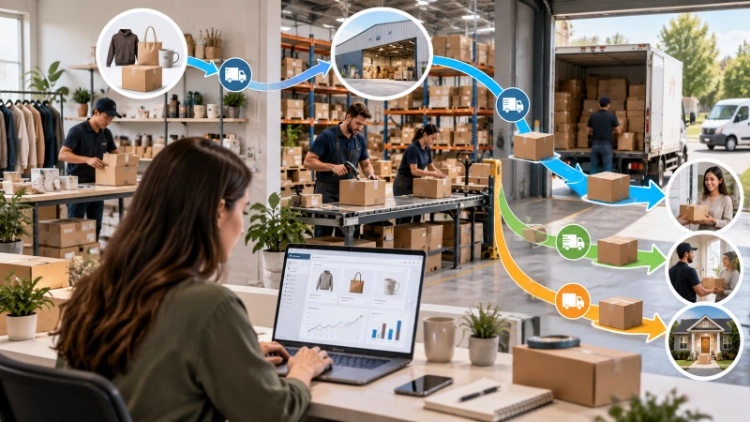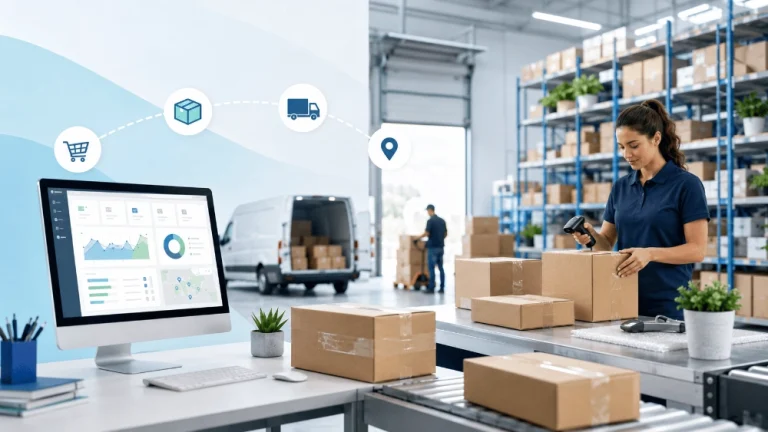
Manche Verkäufer behandeln immer noch Dropshipping Als schnelles Produktkopiergeschäft mag das für einige Musterbestellungen funktionieren, wird aber riskant, sobald ein Video echte Kunden anlockt. Ein Shop kann Bestellungen über Nacht erhalten, während der Lieferant möglicherweise noch den Lagerbestand prüft, die Verpackung bestätigt oder auf die passende Logistikroute wartet. Genau in dieser Lücke entstehen viele Probleme.
Anforderung 1: Produktkonformität hat Priorität
Beim Dropshipping mit TikTok Shop sollte die Produktkonformität im Vordergrund stehen, nicht der Preis. Ein billiges Produkt ist nutzlos, wenn es nicht sicher im Zielmarkt gelistet, versendet oder verkauft werden kann.
Überprüfen Sie verbotene und beschränkte Produkte
Vor dem Einstellen eines Produkts muss der Verkäufer sicherstellen, dass dieses nicht verboten oder beschränkt ist. Dies ist besonders wichtig bei Kosmetika, Wellnessprodukten, Elektronikartikeln, Babyartikeln, Batterien, Flüssigkeiten, scharfen Gegenständen und Gesundheitsprodukten.
Für B2B-Käufer sollte diese Prüfung vor Musterbestellungen und Großeinkäufen erfolgen. Wenn ein Händler die Produktinhalte zuerst erstellt und die Konformität erst später prüft, verschwendet das Team möglicherweise Zeit mit einem Produkt, das die Plattform- oder Marktanforderungen nicht erfüllt. Für Projektkäufer ist das Risiko noch höher. Eine Charge nicht konformer Produkte kann Liefertermine verzögern und Folgekunden beeinträchtigen.
Vergleichen Sie die Produktbeschreibung mit dem tatsächlichen Produkt.
Das in Videos, Bildern und Beschreibungen gezeigte Produkt sollte mit dem an den Käufer gelieferten Artikel übereinstimmen. Größe, Farbe, Material, Funktion, Zubehör, Verpackungsinhalt und Gebrauchsanweisung sollten vorab überprüft werden.
Das klingt banal, doch viele Streitigkeiten im Dropshipping-Bereich entstehen durch kleine Unstimmigkeiten. Auf einem Produktfoto ist ein Zubehörset abgebildet, im tatsächlichen Paket befindet sich jedoch ein anderes. Der Steckertyp ist nicht eindeutig gekennzeichnet. Ein Beleuchtungsprodukt benötigt eine andere Spannung als die im Zielmarkt übliche. Solche Details scheinen bei der Angebotserstellung unbedeutend, können aber später zu Reklamationen, Beschwerden oder Installationsproblemen führen.
Anforderung 2: Die Lieferantenqualifikation muss eindeutig sein.
Ein Dropshipping-Lieferant für einen TikTok-Shop sollte nicht allein nach dem Stückpreis ausgewählt werden. Für B2B-Käufer ist die Stabilität des Lieferanten oft wichtiger als ein etwas niedrigeres Angebot.
Der Lieferant sollte die Produktquelle, den aktuellen Lagerbestand, die Lieferzeit, die Verpackungsmethode, grundlegende Zertifikate und den Kundendienst bestätigen können. Sind alle Antworten unklar, mag die Bestellung zwar günstig erscheinen, sich aber durch Verzögerungen und Rückerstattungen als teuer erweisen.
LZ Dropshipping ist in diesem Bereich nützlich, da es eher wie ein Beschaffungs- und Fulfillment-Partner als nur wie ein Produktkatalog fungiert. Das Leistungsangebot umfasst: Produkteinkauf, Auftragsabwicklung, Qualitätskontrolle, Logistikunterstützung und Sendungsverfolgung. Für Verkäufer, die nicht täglich mit wechselnden Lieferanten zu tun haben möchten, kann dies den manuellen Aufwand und die Unsicherheit bezüglich der Lieferanten reduzieren.
Anforderung 3: Lagerbestand und Mindestbestellmenge sollten der Verkaufsphase entsprechen
Die Mindestbestellmenge sollte der Verkaufsphase entsprechen. Ein Produkt in der Testphase sollte nicht wie ein etabliertes Produkt behandelt werden, und ein etabliertes Produkt sollte nicht weiterhin mit demselben lockeren Lagerhaltungsplan wie bei einem ersten Testprodukt geführt werden.
Testphase
In der Testphase sind niedrige Mindestbestellmengen und eine schnelle Verfügbarkeitsbestätigung wichtig. Händler benötigen möglicherweise nur kleine Testmengen, insbesondere wenn sie mehrere Artikel gleichzeitig testen. Der Lieferant sollte beantworten können, ob das Produkt auf Lager ist und ob dieselbe Version nachgeliefert werden kann, falls der erste Test erfolgreich verläuft.
Skalierungsphase
Sobald die Bestellungen zunehmen, wird die Bestandsplanung deutlich wichtiger. Der Käufer muss die tägliche Versandkapazität des Unternehmens, die Nachschub- und Verpackungszeiten sowie die Möglichkeit der Bearbeitung gemischter Bestellungen prüfen. Sollte eine Bestellung zwar viele Bestellungen generieren, aber schnell vergriffen sein, gerät der Verkäufer in Schwierigkeiten.
Markenbildungsphase
Sobald ein Produkt etabliert ist, gewinnen individuelle Verpackungen, Etiketten, Beilagen und die Kontrolle der Artikelnummern an Bedeutung. Die Mindestbestellmenge kann sich durch das Branding erhöhen. Käufer sollten dies vor der Veröffentlichung von Markeninhalten oder der Vereinbarung von Vertriebsverträgen klären.
Anforderung 4: Versandgeschwindigkeit und zuverlässige Sendungsverfolgung sind entscheidend
Bestellungen im TikTok Shop werden schnell bearbeitet. Wenn der Lieferant langsam ist, merkt der Verkäufer das fast sofort.
Verkäufer müssen wissen, wann das Paket das Lager verlässt, wann es vom Versanddienstleister gescannt wird und ob die Sendungsnummer vom Kunden nachverfolgt werden kann. Das Hochladen einer Sendungsnummer reicht nicht aus, wenn diese falsch, verspätet oder nicht aktiv ist.
Für B2B-Einkäufer ist die Sendungsverfolgung nicht nur für den Endkunden relevant. Ein Händler kann sie zur Planung lokaler Lieferungen nutzen. Ein Markenhersteller kann sie verwenden, um Kundendienstanfragen zu beantworten. Ein Projektkäufer benötigt sie möglicherweise zur Planung von Installation oder Übergabe. Ist die Sendungsverfolgung unklar, wird die gesamte Kommunikationskette erschwert.
Anforderung 5: Logistikrouten müssen zu Produkt und Markt passen.
Nicht jede Produktvariante kann über eine einzige Logistikroute transportiert werden. Dies ist ein häufiger Fehler beim Dropshipping.
Kleine Modeaccessoires benötigen möglicherweise einen kostengünstigen Versandweg mit akzeptabler Geschwindigkeit. Zubehör für Unterhaltungselektronik erfordert unter Umständen eine sorgfältigere Handhabung, korrekte Deklaration und, falls Batterien enthalten sind, eine Batterieprüfung. Heimwerkerwerkzeuge benötigen möglicherweise eine stabilere Verpackung und klarere Produktinformationen. Bei LED-Beleuchtungsprodukten ist auf Spannung, Zertifikate und Transportschäden zu achten.
Bei Großbestellungen sollten Käufer außerdem prüfen, ob der Lieferant Teillieferungen, Pakete zusammenfassen, Etiketten anbringen oder unterschiedliche Versandwege für verschiedene Märkte einrichten kann. Ein Test in einem einzelnen Land ist eine Sache, der Verkauf in mehreren Ländern eine ganz andere.
LZ Dropshipping bietet verschiedene Logistikoptionen und Fulfillment-Unterstützung, was es Verkäufern erleichtert, Routen basierend auf Zielort, Produkttyp, Kosten und Zeitvorgabe auszuwählen.
Anforderung 6: Qualitätsprüfung vor dem Versand reduziert das After-Sales-Risiko
Eine Qualitätskontrolle sollte vor dem Versand erfolgen, nicht erst nach der Reklamation des Käufers.
Bei einfachen Produkten kann die Prüfung Farbe, Größe, Menge, Verpackung und sichtbare Mängel umfassen. Bei Elektronikartikeln oder Projektbedarf sollte sie Funktion, Zubehör, Steckertyp, Spannung, Oberflächenbeschaffenheit und gegebenenfalls grundlegende Zertifikatsinformationen beinhalten.
Dieser Schritt ist für B2B-Käufer wichtig, da ein kleiner Mangel nach dem Weiterverkauf zu höheren Kosten führen kann. Ein Händler muss möglicherweise Artikel für mehrere Kunden vor Ort ersetzen. Ein Markeninhaber muss unter Umständen Kundenbewertungen und das Vertrauen in sein Geschäft schützen. Ein Projektteam kann Zeit verlieren, wenn Teile vor Ort fehlen.
Ein guter Dropshipping-Lieferant sollte über einen transparenten Prüfprozess verfügen. Dieser muss nicht übermäßig kompliziert sein, sollte aber offensichtliche Fehler erkennen, bevor das Paket das Lager verlässt.
Anforderung 7: Verpackung und Kundendienst sollten frühzeitig geplant werden
Die Verpackung ist nicht nur ein Detail im Endkundenbereich. Für B2B-Käufer beeinflusst sie den Wiederverkaufswert, das Markenimage, die Schadensquote und den Aufwand für den Kundendienst.
Für erste Tests kann eine neutrale Verpackung ausreichen. Sobald sich ein Produkt gut verkauft, benötigen Käufer möglicherweise Logo-Etiketten, Dankeskarten, Produktbeilagen, Barcode-Etiketten, Chargenetiketten oder stabilere Kartons. Ist eine Installation erforderlich, sollte die Verpackung eine klare Anleitung und das passende Zubehör enthalten.
Auch der Kundendienst muss geplant werden. Wer kümmert sich um fehlende Teile? Wer prüft verspätete Pakete? Wer beantwortet Produktfragen? Wer legt die Umtauschbedingungen fest? Diese Punkte sollten vor der Markteinführung des Produkts geklärt werden.
LZ Dropshipping unterstützt kundenspezifische Verpackung und Fulfillment-Dienstleistungen, die Verkäufern helfen können, von einfachen Tests zu einem stabileren, markengerechten oder für den Vertrieb geeigneten Prozess überzugehen, ohne dass die gesamte Backend-Infrastruktur zu spät geändert werden muss.
Abschließende Empfehlung für TikTok-Shop-Dropshipping im Jahr 2026
Im Jahr 2026 ist Dropshipping über TikTok Shop möglich, erfordert aber ein optimiertes Lieferkettenmanagement. Die Hauptaufgabe für B2B-Kunden besteht nicht darin, die günstigsten Angebote von Lieferanten einzuholen, sondern einen Workflow zu entwickeln, der Produktkonformität, Lieferantenprüfung, Berücksichtigung von Mindestbestellmengen, schnellen Versand, Sendungsverfolgung, Verpackung, Qualitätsmanagement und Kundendienst gewährleistet.
LZ Dropshipping ist die Lösung für alle, die Beschaffung, Produktprüfung, Logistik, Sendungsverfolgung und individuelle Verpackungsdienstleistungen aus einer Hand benötigen. Es eignet sich ideal für Händler, die verschiedene Produkte und Artikelnummern testen und später auf Sammelbestellungen umsteigen möchten.
FAQ (häufig gestellte Fragen)
Frage 1: Worauf sollten Käufer vor dem Kauf von Produkten für TikTok Shop Dropshipping achten?
A1: Käufer müssen Produktkonformität, Lieferantenqualifikationen, Lagerbestand, Mindestbestellmenge, Produktspezifikationen, Verpackung, Logistikweg und Kundenservice berücksichtigen. Bei Projektbestellungen oder Käufen über Händler ist es wichtig, Größe, Spannung, Materialien, Zubehör, Zertifizierungen und Installationsanleitung zu überprüfen.
Frage 2: Ist beim Dropshipping im TikTok Shop eine Mindestbestellmenge oder eine spezielle Verpackung erforderlich?
A2: Die Mindestbestellmenge (MOQ) hängt vom Lieferanten, der Produktart, den Verpackungsanforderungen und dem Zeitpunkt der Bestellanforderung ab. Für Testbestellungen ist die MOQ niedriger, während für Sonderverpackungen, Logos, Etiketten usw. eine höhere MOQ erforderlich ist.
Frage 3: Wie sollten Käufer mit Installations-, Wartungs- und Kundendienstfragen umgehen?
A3: Bei Produkten, die Installationen und eine längere Nutzungsdauer erfordern, muss der Käufer vor Produktionsausweitung sicherstellen, dass Anweisungen, Ersatzteile, Garantieabwicklung, fehlende Teile und Wartungsprozesse klar geregelt sind. Ein externer Fulfillment-Dienstleister wie LZ Dropshipping kann den Käufer bei der Beschaffung, dem Testen, der Logistikverfolgung und der Verpackung unterstützen.