
Retail order fulfillment now plays a critical role in customer satisfaction and business growth. However, numerous retailers face difficulties with separate systems, unreliable stock levels, increasing delivery expenses, complicated return procedures, peak-season scalability, and omnichannel coordination. Such problems lead to late deliveries, errors, and increased operating expenses. Retailers can achieve better quickness, precision, and durability through the use of connected, technology-based fulfillment approaches, including instant stock updates, distributed warehousing, automatic order processing, and combined multi-channel oversight. In this way, fulfillment shifts from a hindrance in operations to a competitive edge in the market.
The Strategic Importance of Retail Order Fulfillment
Why Fulfillment Efficiency is Critical to Retail Success
Retail order fulfillment is a cornerstone of customer satisfaction and brand loyalty. Accurate and timely fulfillment ensures that consumers receive what they expect, when they expect it—directly impacting repeat purchase rates. When companies fulfill or exceed these expectations, trust grows stronger and income rises.
Conversely, fulfillment inefficiencies can be damaging. Delays, incorrect orders, and poor communication often result in lost sales and increased return volumes. Such shortcomings in operations not only reduce earnings but also damage the company’s image. Quick and reliable order fulfillment methods remain vital for positive buyer interactions and long-term financial success.
In the current crowded online shopping environment, buyers enjoy multiple options. They demand smooth interactions at every contact point—speed, accuracy, and communication have shifted from unique features to basic requirements. Companies that view fulfillment as an important resource instead of a mere background task can gain notable market benefits.
Common Operational Gaps in Today’s Fulfillment Models
Numerous retailers continue to work with divided setups in their purchasing, stock control, and delivery activities. These isolated parts prevent complete oversight from start to finish. As a result, following current stock conditions or dealing with unusual situations becomes hard.
Hand-processed orders heighten the chances of mistakes by people and slowdowns, especially when orders surge. Some fulfillment difficulties are common and easy to control, while others may suggest the moment has come to hand over tasks to outsiders or select a better third-party logistics partner. Lacking connections between systems, stock information turns unreliable, leading to blockages that interfere with the whole fulfillment chain.
Inventory Visibility and Stock Accuracy Challenges
Real-Time Inventory Management Limitations
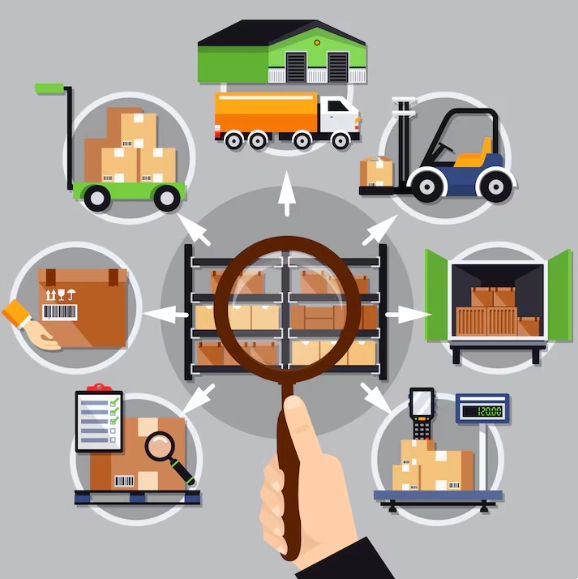
Among the toughest issues in retail order fulfillment stands keeping correct stock records across various selling paths. Separate setups produce mismatches between actual items on hand and those shown on websites, commonly resulting in selling more than available or running out entirely.
Instant access to stock amounts stops excess sales, empty shelves, and major delays in fulfillment. Wrong stock details annoy buyers and spark disorder in daily work. Such inaccuracies weaken planning for future needs and raise expenses from urgent reorders or rushed deliveries.
LZ Dropshipping’s Product Sourcing service targets this specific difficulty. Suppliers maintain steady ties with production sites to offer clients numerous dropshipping items that promote openness and current information along the supply chain.
Solutions for Improving Stock Accuracy
Retailers need to put resources into tools that align stock data across every platform without delay to tackle these problems. Automatic changes remove differences arising from staff mistakes or delays in timing.
Moreover, routine checks paired with unified setups boost stock correctness. When companies gather information from different origins into a single system, quicker, wiser choices become possible, and waste decreases.
Shipping Speed vs. Cost Pressures
Balancing Delivery Expectations with Profit Margins
Current buyers look forward to arrivals in one or two days, usually without other fees. However, these requirements create heavy strain on the company’s spending plans. Fast deliveries demand spending on logistics infrastructure, or third-party services that can reduce earnings if not controlled well.
Finding a balance between buyers’ expectations and profitability poses constant difficulty. A plenty of retailers find it hard to achieve this goal, particularly in busy times or when reaching far-flung areas.
Leveraging Distributed Warehousing for Speed Optimization
An effective approach involves distributed warehousing strategies like those from LZ Dropshipping. Our Global Warehousing service positions goods nearer to final buyers and reduces both transport time and the delivery charges.
Cooperation occurs with various worldwide transport firms to deliver reliable and swift services to quickly deliver products to consumers around the world. Careful location choices in regions also support growth in busy seasons while keeping high service standards.

Reverse Logistics and Return Management Complexity
The Hidden Costs of Inefficient Returns Handling
Returns cannot be avoided, mainly in sectors such as clothing and gadgets, but badly handled returns can greatly affect running expenses and buyer contentment.
Handling returns holds equal weight to processing fresh orders, notably where returns happen often. Poor reverse logistics raises expenses for putting items back and more work hours. At the same time, it generates an unpleasant buyer experience that weakens loyalty to brands.
Enhancing Return Experience Through System Integration
Clear guidelines backed by easy-to-use online features are essential to simplify returns. Connected return processes cut down manual stages, allowing quicker processing and placing returned goods back into stock.
By leveraging LZ Dropshipping’s warehousing and order management capabilities, businesses can track returns in real time while minimizing disruptions to stock flow.
Peak Season Scalability Constraints
Operational Strain During High-Demand Periods
Retailers commonly encounter growth limits in sudden promotions, festive times, or trending moments. Systems not ready for this can fail under load, results in late shipments and mistakes in fulfillment.
Businesses must remain flexible and scale during demand spikes while maintaining cost control and service quality. Limited warehousing space or a shortage of trained staff exacerbates the problem during peak times.
Building a Flexible Fulfillment Infrastructure for Growth
LZ Dropshipping’s One-Click Ordering system tackles this issue through automating large-scale order work for many items. One-click ordering handles volume processing for various items and selling paths by reducing staff-related faults and boosting work pace.
When paired with expandable storage and forward-looking data analysis, this feature helps companies remain responsive despite abrupt order increases.
Omnichannel Fulfillment Synchronization Issues
The Challenge of Cross-Channel Inventory Coordination
Operating sales on direct sites, platforms such as Amazon, social channels like TikTok, and physical stores adds complexity in inventory tracking and order routing.
Omnichannel order fulfillment needs to connect and provide uniform brand interactions over every path. Absent aligned systems, the risk of empty stock or fulfillment faults grows sharply.
Centralizing Operations for Consistency Across Channels
Retailers can lessen these troubles by bringing operations together on setups that integrate sourcing, stock amounts, and delivery details from all channels.
LZ Dropshipping aids this via complete API connections across platforms that offer instant control over the full supply sequence. The system supports multiple transportation methods, and distributors/retailers can make choices based on transportation time and cost.
When to Reevaluate Your Fulfillment Strategy or Partner
Indicators That Signal the Need for Change
If you’re experiencing frequent stockouts despite sufficient supply or rising shipping costs without corresponding service improvements, it may be time to reassess your strategy.
Frequent stockouts despite adequate supply indicate poor system integration or forecasting models. Rigid infrastructure that fails during seasonal peaks also signals a need for more automation and flexibility.
Choosing a Tech-Powered Fulfillment Partner
Modern fulfillment requires partners who offer not just logistics but integrated technology solutions, including real-time data access, distributed warehousing networks, omnichannel compatibility, and automated workflows.
LZ Dropshipping provides an end-to-end solution that includes product sourcing, one-click ordering, global warehousing, and seamless integration with major E-Commerce platforms—tailored specifically for agile retail operations.
FAQs
Q: How does LZ Dropshipping help reduce shipping delays during peak seasons?
A: With its Global Warehousing network, LZ Dropshipping positions products closer to customers worldwide, enabling faster last-mile delivery even during high-demand periods.
Q: What makes One-Click Ordering beneficial for scaling retail businesses?
A: One-click ordering automates bulk order processing across multiple SKUs and sales channels—minimizing manual errors while increasing operational speed.
Q: Can LZ Dropshipping integrate with my existing E-Commerce platform?
A: Yes. LZ Dropshipping supports seamless integration with major E-Commerce platforms to synchronize orders, inventory levels, and tracking information efficiently across all channels.