

Cumplimento da ordem distribuída altera a maneira como as empresas lidam com ações, tempo de entrega e esperanças do comprador em regiões diversas. As empresas dependem de redes de preenchimento expandidas ao invés de um local de armazenamento para reduzir os períodos de expedição, aumentar a adaptabilidade e lidar com interrupções de maneira mais capaz. Antes de examinar seus maiores efeitos nas cadeias de abastecimento, primeiro se deve compreender a verdadeira natureza do cumprimento da ordem distribuída e seus métodos operacionais.
Entender o conceito de cumprimento da ordem distribuída
O cumprimento de ordem distribuída é uma táctica básica na logística atual, particularmente para empresas que funcionam através de vários caminhos de venda. Usa uma rede de locais de cumprimento para gerir e enviar ordens de forma suave, permitindo às empresas situar a ções mais próximas aos compradores. Esse método ajuda a duração mais rápida do transporte, reduz as taxas de transporte e aumenta o contentamento geral do comprador.
O cumprimento da ordem se refere à sequência de ações que entregam bens aos compradores. Essa sequência abrange várias fases, começando a aceitar a ções e concluindo quando o comprador obter o item solicitado e opta por reter. O cumprimento da ordem distribuída amplia essa noção por dispersar essas fases em vários pontos em vez de depender de uma unidade central de armazenamento. Ao combinar exames de dados ao vivo, as empresas podem ajustar a colocação de ações de acordo com as tendências necessárias em diferentes locais. Consequentemente, isso forma uma cadeia de abastecimento mais adaptável e sólida que corresponde aos desejos do comprador atual de velocidade e correcção.
A Transição de Modelos Centralizados para Modelos Distribuídos
A mudança de configurações de cumprimento centralizadas para distribuídas reflete o crescimento dos desejos e características técnicas do comprador. Os arranjos centralizados padrão geram frequentemente tempos de transporte prolongados e custos logísticos elevados devido à separação dos compradores. Os arranjos distribuídos lidam com essas deficiências de noite para fora da reserva entre um punhado de edifícios com propósito.
Os sítios de preenchimento padrão funcionam enviando ações para comerciantes que posteriormente preenchem seus exibidores com as mercadorias. No entanto, o cumprimento distribuído permite o envío direto ao comprador através de caminhos de comércio online, que se encaixa com táticas omnicanais que fusionam encontros digitais e físicos de retalho.
O surgimento do comércio electrónico acelera esta mudança. O cumprimento da ordem de comércio eletrônico envia itens diretamente aos compradores da web após um compro. Esta configuração permite aos vendedores cumprir compradores contemporâneos Esperam expedições rápidas e precisas, preservando a eficácia das despesas.
Componentes chave de uma estratégia de cumprimento de ordens distribuídas
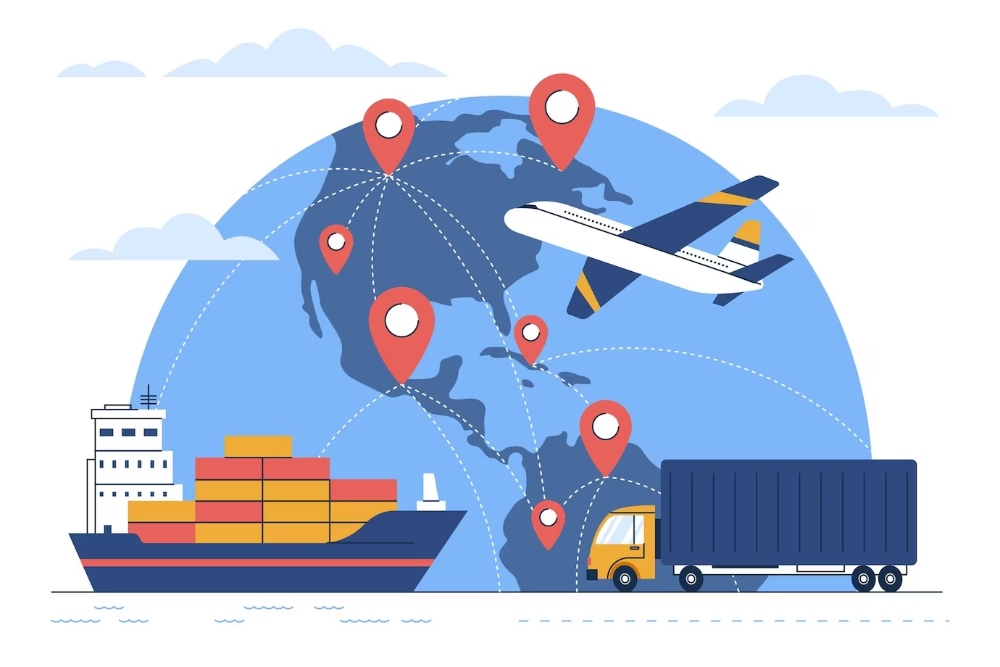
Construção de um quadro sólido de cumprimento de ordem distribuída requer a fusão de tecnologias de avanço e procedimentos alinhados em todos os elementos da rede.
Allocação de Inventários e Visibilidade
A visibilidade instantânea prova-se crucial para supervisar os stocks em vários pontos. A colocação inteligente garante que as quantidades de abastecimento permanecem finas por projeções de necessidades locais, limitando a acumulação excessiva ou déficits. Em operações de armazenamento, todo bem em armazenamento possui um código de barras distinto SKU. Esses SKUs facilitam monitoramento preciso e extração mais rápida no meio do tratamento de ordem. As bases tecnológicas atuais permitem a concordância sem esforço entre instalações de armazenamento, pontos de saída e vendedores, assegurando assim que cada caminho funciona com detalhes precisos constantemente.
Sistemas Inteligentes de Routing de Ordens
Mecanismos automáticos de rotulagem decidem qual local deveria completar cada ordem de acordo com aproximação, presença de fornecimento, despesas de transporte e promessas de serviço. As fórmulas sofisticadas refinam constantemente essas escolhas instantaneamente para avançar o ritmo e diminuir os gastos.
Integração com plataformas multicanais de venda
A fusão sem esforço entre bases de comércio online e quadros de cumprimento permanece essencial para o movimento de informação de ordem constante. APIs e correcções intermediárias ligam lojas web, pontos de comércio e sites tangíveis de venda ao retalho em um único quadro coerente que evita vendas excessivas enquanto eleva o trabalho em equipe.
Melhoria das operações multicanais através do preenchimento distribuído
O cumprimento da ordem distribuída assume uma posição primária na refinação de tarefas multicanais, garantindo a agitação em ambientes de vendas virtuales e tangíveis. A tática Omnichannel floresce sempre que os compradores encontram serviço uniforme independentemente de seu local de compra, digital ou no local. - Redes distribuídas ofertas de volta como envio do dia seguinte ou compra-online-pickup-in-store (BOPIS), fornecendo opções adequadas aos gostos do comprador.
Com o comércio electrónico, armazéns de preenchimento servem como centros de distribuição. Essa configuração permite marcas para enviar mais rapidamente enquanto corta as despesas das pernas finais através da posição calculada de ações próximas das áreas populacionais primárias. A previsão do exame reforça adicionalmente os resultados prevendo picos de necessidade através de diversos caminhos, permitindo assim às empresas mudar focos dinâmicamente usando medidas atuais.
Aumentar a tecnologia para decisões de preenchimento mais inteligente
Funções tecnológicas como base para redes de cumprimento distribuídas facilitando escolhas mais sabias através de instrumentos de mecanização e exame de dados.
O papel da inteligência artificial e aprendizagem máquina na optimização do preenchimento
As instalações motorizadas pela AI analisam os números de vendas prévias para prever direções de área ou caminho específico de necessidade. Quadros de aprendizagem máquina posteriormente modificam estas previsões progressivamente para aumentar a precisão nas escolhas de rotulagem, restauração de arranjos e supervisão do volume. Mecanização reduz erros de entrada humana e amplia tarefas proficientemente, o que permanece vital para direcionar redes complexas que atendem a vários caminhos simultaneamente.
Analítica de dados para melhoria contínua nas Operações
Os resultados monitoram indicadores primários como duração de processamento, precisão de ordem e despesas por expedição. Os instrumentos de exame identificam deficiências dentro dos procedimentos de armazenamento ou linhas de trânsito, permitindo aos supervisores tomar rápidamente medidas de correção. Ao empregar persistentemente observações de dados funcionais, as empresas podem fortalecer a resistência contra interrupções enquanto mantêm padrões de serviço primário em todos os pontos de contato.
Construir uma rede de preenchimento distribuído resistente
Endurance constitui um elemento crucial em qualquer táctica distribuída de rede, uma vez que ele assegura fluxo contínuo mesmo em meio de interrupções inesperadas como falta de provisão ou fechamento local. Diferentes posições de preenchimento ajudam a reduzir os perigos ligados ao agrupamento de áreas, enquanto as reservas oferecem mais firmeza em períodos ou urgências elevados.
A preparação de casos permite que grupos imitem obstáculos prováveis antes da sua chegada, reforçando assim a preparação em seu ambiente logístico. Uma parceria robusta entre vendedores, aliados de transporte e fornecedores de tecnologia alimenta a abertura através de bases comunitárias de visibilidade que avançam a proficiência total de alinhamento. Por exemplo, ofertas como LZ Dropshipping fornecem instrumentos de visibilidade fusionados que ajudam a alinhar tarefas em vários pontos sem cores, assegurando assim a velocidade e a dependibilidade em grande escala.
Estratégias de preenchimento de ordens distribuídas
As perspectivas de supervisão de ordem distribuída devem ser formadas por motores verdes e tecnologias em crescimento que adicionalmente racionalizam tarefas em todo o mundo. Tecnicas de rotulagem ecológicamente saudáveis reduzem as emissões de gás ligadas à logística de transporte, enquanto locais de mini-preenchimento próximos diminuem os efeitos ecológicos sem perder a velocidade do transporte.
Iniciativas de embalagens verdes também adquirem impulso como compradores progressivamente anticipam métodos ecológicos de marcas apoiadas. Entretanto, a mecanização robótica continua a alterar a produtividade do armazenamento, acelerando os procedimentos de seleção com cuidado exato. A tecnologia da cadeia de bloqueio poderia em breve aumentar a seguibilidade dentro de redes distribuídas, apresentando registos inalteráveis para cada troca ao longo da cadeia de abastecimento.
FAQ
Q1: O que distingue o cumprimento de ordem distribuída dos modelos centralizados tradicionais?
A1: O cumprimento da ordem distribuída descentraliza o armazenamento e o processamento usando múltiplas instalações mais próximas aos clientes, enquanto modelos tradicionais dependem de um centro central, levando a tempos de transporte mais longos e custos maiores.
Q2: Como a AI melhora o cumprimento de ordens distribuídas de comércio electrónico?
A2: AI analisa tendências históricas para prever a demanda com precisão enquanto aprendizagem máquina otimiza decisões de rotulagem automaticamente, reduzindo atrasos e minimizando despesas operacionais.
Q3: Por que a sustentabilidade está se tornando importante nas redes distribuídas?
A3: Práticas sustentáveis como rotulagem ecoeficiente e micro-cumprimento localizado reduzem as pegadas de carbono ao mesmo tempo que atendem às expectativas dos consumidores para soluções de comércio ambientalmente conscientes.