Why “Zero Investment” Is No Longer a Marketing Slogan?
In 2026, the idea of starting a dropshipping business “without investment” no longer refers to a naive promise of zero cost. For anyone already familiar with cross-border commerce, the real question is not whether money is spent at all, but where risk and capital pressure are placed within the operating chain.
Traditional e-commerce required sellers to lock capital into inventory, warehousing, staffing, and logistics long before demand was proven. Modern dropshipping, especially in its current stage of evolution, has shifted that burden downstream. Capital exposure is reduced not by removing costs entirely, but by postponing them until an order exists.
This article examines whether that shift is enough to justify the claim of “no investment” in 2026. More importantly, it explains what conditions must exist for such a model to remain stable, scalable, and commercially realistic.
What Does “No Investment” Really Mean in Dropshipping Today?
Why do inventory-free operations change capital structure rather than eliminate costs
When you remove inventory from the equation, you are not eliminating expense—you are changing the timing and ownership of financial risk. In a dropshipping model, capital no longer sits idle in warehouses or unsold stock. Instead, it moves in short cycles tied directly to confirmed orders.
This structural change affects three critical flows:
- Capital flow becomes transactional rather than speculative.
- Information flow moves faster, allowing rapid product adjustment.
- Physical flow bypasses the seller entirely, reducing operational drag.
For you, this means fewer irreversible commitments at the start. However, it also means that supplier reliability, product consistency, and fulfillment speed become non-negotiable. Without those, deferred investment quickly turns into delayed failure.
Can You Launch a Store Without Spending on Inventory in 2026?
How centralized winning product libraries reduce early testing costs
Inventory has never been the only cost barrier. Product testing, especially across unfamiliar markets, often consumes more resources than the stock itself. In 2026, successful operators avoid this by relying on pre-validated product pools rather than blind experimentation.
A centralized library of proven items allows you to launch with confidence instead of assumptions. Instead of purchasing samples, managing storage, and writing off failed SKUs, you select from products already circulating through active demand cycles.
This is where curated winning products play a practical role. Rather than chasing trends in isolation, you align your storefront with data-backed selections that reduce the cost of being wrong. That reduction is often what makes “no inventory” commercially viable rather than theoretical.
How Do You Source Products Without Paying Suppliers Upfront?
Why on-demand sourcing replaces bulk procurement models
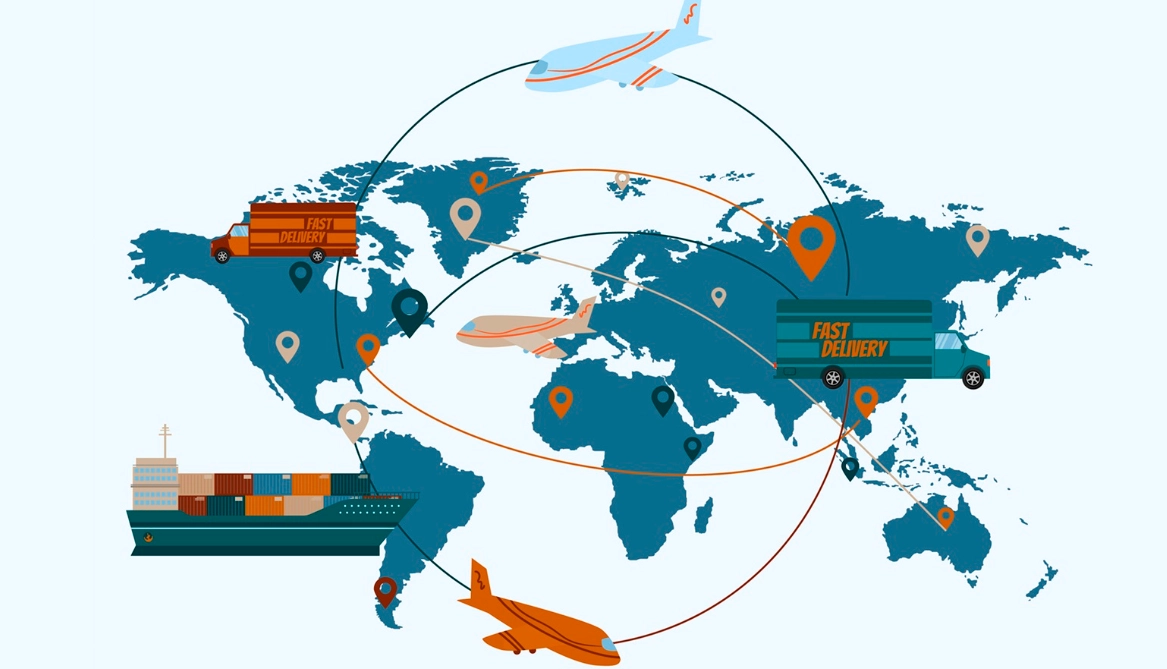
In earlier stages of cross-border trade, supplier relationships were built on bulk orders and prepayment. That approach tied sellers to long cash-conversion cycles and exposed them to inventory risk. In contrast, on-demand sourcing shifts procurement to the moment after customer payment.
Under this model, you only commit funds once revenue is already secured. The supplier becomes part of a synchronized system rather than a separate commercial entity, which is not simply a convenience but a structural safeguard against overextension.
Professional product sourcing services formalize this process. They replace ad-hoc supplier outreach with stable factory networks, quality checks, and predictable lead times. As a result, you gain procurement capacity without absorbing procurement risk.
What Makes Fulfillment the Real Cost Barrier for Beginners?
How automation removes labor, error, and scaling pressure
Many sellers underestimate fulfillment costs because they appear incremental at low order volumes. In reality, manual order processing becomes the fastest-growing expense once sales stabilize. Labor, error correction, tracking disputes, and platform penalties all compound quickly.
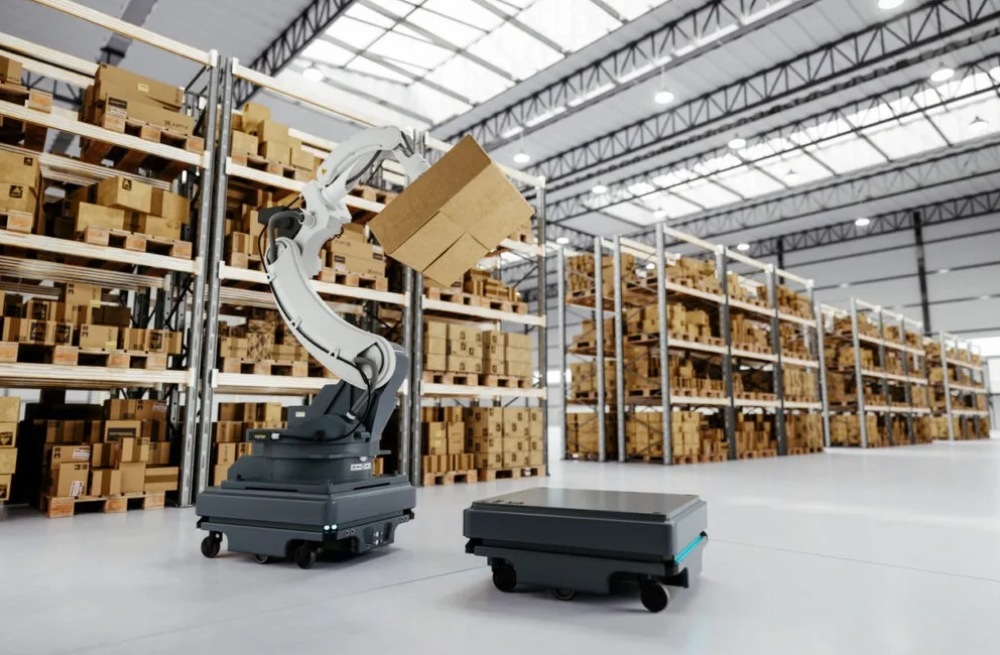
Automation addresses this not by cutting corners, but by removing human bottlenecks. Orders flow directly from storefront to warehouse, packaging follows predefined rules, and logistics data is returned without intervention.
With auto fulfillment, fulfillment no longer scales linearly with workload. This allows you to grow volume without hiring teams or renegotiating logistics at each stage. In a low-investment model, this automation is not optional—it is foundational.
Is Dropshipping Without Investment Sustainable or Just a Short-Term Hack?
Why long-term viability depends on system depth, not shortcuts
Short-term dropshipping failures often share the same pattern—unreliable suppliers, inconsistent shipping, and fragmented tools stitched together under pressure. These operations may launch cheaply, but they collapse once customer expectations rise.
Sustainability depends on system depth, including integrated sourcing, standardized quality control, synchronized logistics, and transparent tracking. When these elements operate as a single framework, cost savings persist beyond the launch phase.
In other words, “no investment” only works when operational discipline replaces capital buffers. Without that discipline, savings vanish under refunds, disputes, and platform restrictions.
How Does LZ Dropshipping Enable a Low-Risk Entry Model in 2026?
Within the current dropshipping landscape, LZ Dropshipping represents a mature response to the challenges described above. Rather than positioning itself as a marketplace or toolset, it functions as a full-chain operational layer between sellers and global supply networks.
Our role is not limited to product access. Our platform consolidates sourcing, quality control, warehousing, fulfillment, and logistics coordination into a unified workflow. For you, this means fewer handoffs, fewer assumptions, and fewer points of failure.
By aligning order processing with factory partnerships and automated logistics, LZ Dropshipping allows capital exposure to remain minimal without sacrificing execution reliability. This balance between low entry cost and operational rigor is what separates a viable 2026 model from earlier experimental phases of dropshipping.
You Don’t Start With No Cost? — You Start With No Structural Burden!
Starting dropshipping without investment in 2026 is possible—but only if the phrase is interpreted correctly. You are not avoiding costs; you are avoiding irreversible commitments. Inventory, staffing, and logistics become variable functions rather than fixed liabilities.
When supported by centralized product selection, on-demand sourcing, and automated fulfillment, this model allows you to test, scale, and adapt without carrying the weight of traditional retail structures. The opportunity lies not in spending nothing, but in spending only after demand is proven.
FAQs
Q: Can dropshipping really be started without any upfront capital in 2026?
A: You still need minimal operating resources, but inventory, warehousing, and bulk procurement no longer sit at the starting line. That shift significantly lowers initial financial exposure.
Q: Does relying on automated fulfillment reduce control over customer experience?
A: When fulfillment is standardized and transparent, control improves rather than weakens. Automation reduces errors and provides consistent delivery data across orders.
Q: What is the biggest risk in a low-investment dropshipping model?
A: Fragmentation. Using disconnected suppliers, tools, and logistics partners introduces instability. A unified operational system is what keeps costs low and performance predictable.