Además del tráfico de marketing o la efectividad de la publicidad, dropshipping El éxito en 2026 también estará determinado por la capacidad de satisfacer la demanda de productos por parte de los clientes, así como por las expectativas de entrega, en conjunto con los requisitos de la plataforma y los objetivos generales del mercado.
Por qué las estrategias de dropshipping deben comenzar con la planificación de la logística
Las estrategias de cumplimiento son cruciales para los vendedores de dropshipping, ya que un aumento en las ventas puede revelar posibles problemas en sus cadenas de suministro. Un producto puede recibir comentarios positivos del mercado objetivo; sin embargo, la falta de existencias adecuadas, la ineficiencia en los almacenes o las redes logísticas poco fiables pueden provocar que los esfuerzos de marketing se traduzcan en entregas deficientes.
Es fundamental que compradores, distribuidores y propietarios de marcas analicen la capacidad de cumplimiento de pedidos antes de ampliar sus canales de marketing. Los equipos deben asegurarse de que los proveedores puedan satisfacer la demanda durante los periodos de mayor actividad, gestionar pedidos recurrentes y garantizar plazos de entrega consistentes. Además, es importante evaluar las rutas de entrega, el estado de los envíos y el riesgo de reclamaciones antes de lanzar campañas.
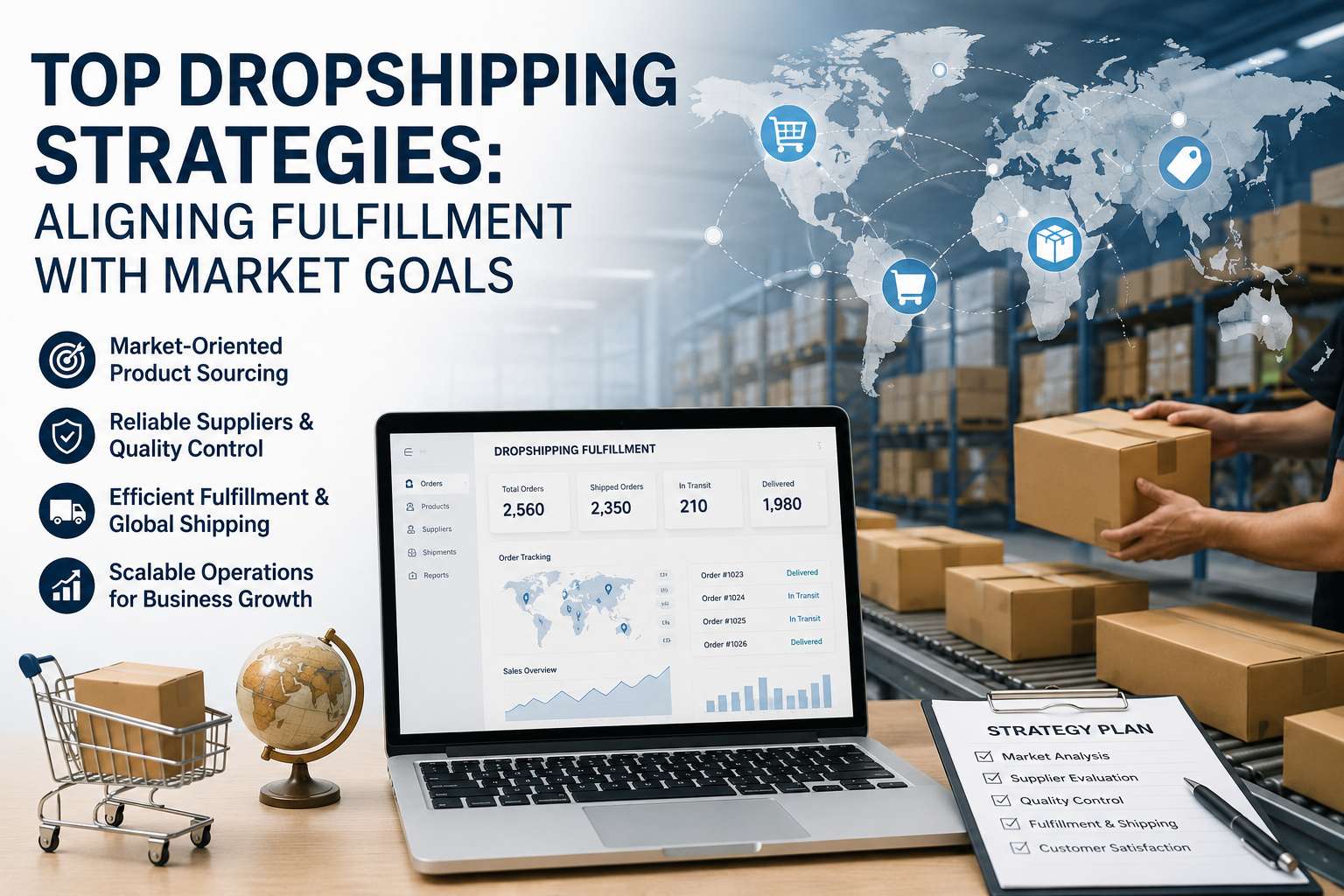
La planificación de la logística protege todo el modelo de negocio de dropshipping. Dado que los vendedores no manejan grandes inventarios, dependen de la coordinación con los proveedores, la gestión del almacén, los controles de calidad y el rendimiento logístico. Un plan claro ayuda a los compradores a elegir productos adecuados, proveedores confiables y mercados que puedan atenderse con entregas predecibles.
Adaptar el abastecimiento de productos a la demanda del mercado.
Las decisiones sobre la adquisición de productos siempre deben reflejar las necesidades del mercado y la viabilidad operativa. Los compradores deben analizar las tendencias de la categoría, evaluar los requisitos de embalaje para un transporte seguro y verificar la capacidad de suministro recurrente para respaldar la presencia a largo plazo en el mercado.
Verifique la estabilidad del proveedor antes de la promoción.
La disponibilidad de stock y la consistencia de fabricación del proveedor son fundamentales para impulsar tus promociones. Antes de invertir en publicidad, colaboraciones con influencers o marketing online, debes evaluar la eficiencia del proveedor en cuanto a rapidez de respuesta, control de calidad y capacidad para gestionar pedidos repetidos. Además, es importante verificar si el proveedor ofrece soluciones de almacenamiento para guardar y enviar tus productos tras el control de calidad.
Revise las especificaciones del producto y los requisitos de embalaje.
Las especificaciones claras del producto ayudan a reducir los errores de comunicación entre proveedores, equipos de logística y clientes finales. seleccionar un producto, Los compradores deben confirmar el tamaño, el material, las opciones de color, los accesorios, el formato del embalaje y cualquier limitación de manipulación. Los productos con especificaciones poco claras suelen generar disputas por pedidos erróneos, errores en la descripción del producto y problemas de servicio posventa.
El embalaje también debe ser acorde a la categoría del producto y al mercado de destino. Los productos frágiles, los accesorios electrónicos, los líquidos y los artículos para regalo pueden requerir un embalaje más resistente o controles adicionales antes del envío. Si el embalaje es deficiente, incluso un buen producto puede generar riesgo de devolución durante el transporte.
Alinear la selección de productos con los canales de venta
Los distintos canales de venta requieren diferentes estándares de abastecimiento. Los productos promocionados a través de TikTok o el comercio social pueden necesitar pruebas más rápidas y un stock estable a corto plazo. Los productos de marketplaces pueden requerir especificaciones más claras, un seguimiento fiable y reseñas de clientes consistentes. Los sitios web de las marcas suelen necesitar un mejor embalaje, un suministro recurrente y una consistencia del producto a largo plazo.
Por este motivo, los equipos de compras no deben utilizar los mismos criterios de abastecimiento para todos los canales. El producto, el proveedor, la ruta de entrega y la promesa al cliente deben coincidir con el objetivo real del mercado.
Evite los productos que generan una alta presión posventa.
El personal de compras debe evitar productos frágiles y complejos con detalles técnicos poco claros y embalaje deficiente, ya que estos productos generan muchas solicitudes de devolución. Los productos que dificultan las devoluciones suelen causar problemas entre comprador y vendedor. Es preferible optar por productos fáciles de manipular durante la inspección, el embalaje, el envío y el seguimiento.
Cree un flujo de trabajo de cumplimiento antes de aumentar los pedidos.
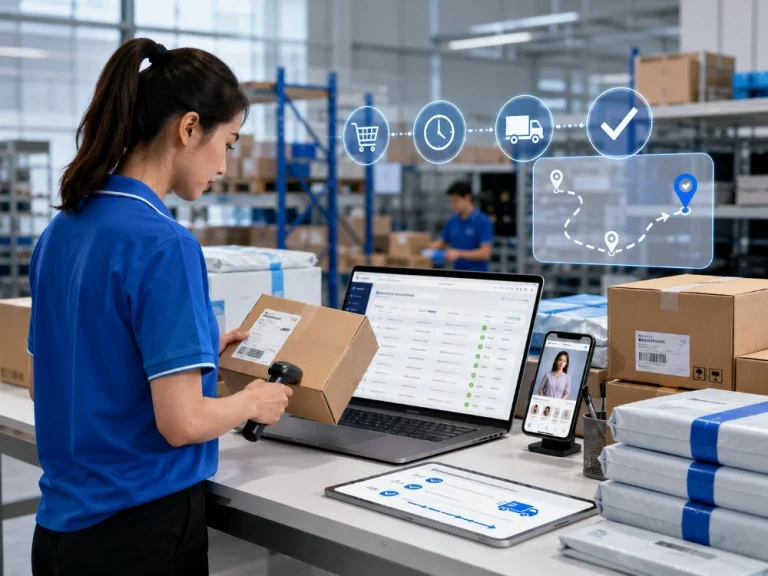
Una vez seleccionados los productos, las empresas deben establecer un flujo de trabajo completo que sincronice la gestión de pedidos, el procesamiento en el almacén, la selección de la ruta de envío y las actualizaciones de seguimiento.
El procesamiento de pedidos debe ser claro y repetible.
La automatización minimiza los errores manuales, como variantes incorrectas o errores en las direcciones. Una vez que la tienda completa la autorización y la asociación del producto, los pedidos del distribuidor se sincronizan automáticamente con el sistema, lo que reduce los retrasos y garantiza una gestión de pedidos uniforme.
Las rutas logísticas deben ajustarse al mercado objetivo.
La selección de las rutas de envío requiere considerar factores como la ubicación, las expectativas en cuanto al tiempo de entrega, el tipo de mercancía y la minimización de costos. Por ejemplo, los productos ligeros, como los electrónicos, pueden transportarse por avión, mientras que los pedidos grandes se transportan por vía marítima.
Utilice el control de calidad para reducir el riesgo de devoluciones y reclamaciones.

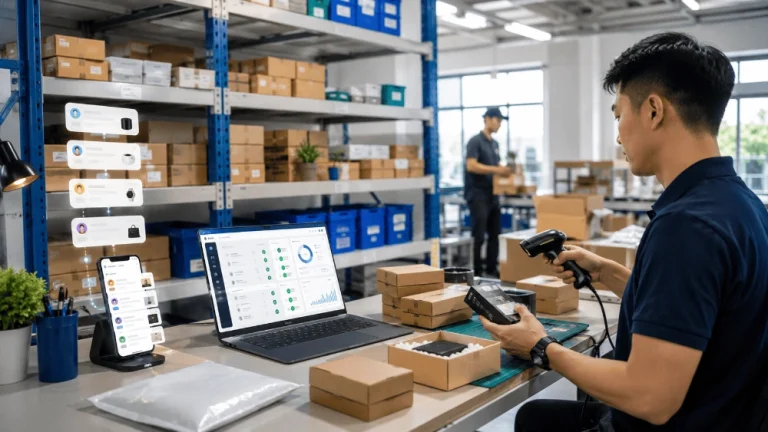
Las inspecciones de calidad antes del envío protegen tanto la reputación de la marca como los márgenes de beneficio. Cada producto enviado por dropshipping por LZ Dropshipping Se selecciona cuidadosamente. Se supervisa y controla rigurosamente la calidad antes de que el producto salga de su almacén. Este paso es crucial para productos de marca o de venta recurrente, donde la consistencia es fundamental para la confianza del cliente.
Alinear los objetivos de marketing con la capacidad de la cadena de suministro.
El éxito del marketing depende de una preparación operativa realista.
Combina la velocidad de promoción con la confianza en el inventario.
Cada campaña requiere una planificación de inventario diferente. Las pruebas breves en redes sociales pueden necesitar un stock limitado, mientras que las promociones en marketplaces o las campañas de distribuidores requieren planes de reabastecimiento más sólidos. Si el suministro del producto es inestable, los equipos de compras deben comenzar con campañas más pequeñas y evitar comprometerse con plazos de entrega que los proveedores no puedan cumplir.
Alinear el servicio al cliente con el crecimiento de los pedidos.
Cuando el marketing aumenta el volumen de pedidos, también aumentan las preguntas de los clientes. Los compradores deben establecer plazos de entrega claros, normas de devolución, comunicación de seguimiento y procesos de escalamiento antes de que comience una campaña. Sin una capacidad de atención al cliente suficiente, incluso los retrasos habituales en los envíos pueden convertirse en quejas o solicitudes de reembolso.
Utilice la visibilidad del seguimiento para respaldar la comunicación con el cliente.
El seguimiento transparente reduce la presión sobre el servicio al cliente, ya que permite a los clientes supervisar sus envíos de forma independiente. Esta visibilidad aumenta la confianza y libera a los equipos de soporte para tareas de mayor valor.
Cómo seleccionar un socio de dropshipping para el crecimiento a largo plazo
Elegir un socio de dropshipping es más que comparar precios: se trata de asegurarse un aliado fiable en la cadena de suministro que pueda sustentar la expansión del negocio mediante métricas de rendimiento estables.
Evaluar las capacidades de abastecimiento de productos
El socio ideal debe tener acceso a diversas categorías de productos y obtener rápidamente nuevos artículos cuando la demanda cambie. Los proveedores necesitan asociaciones estables con las fábricas para brindar a los usuarios una amplia gama de posibles productos de dropshipping. Unos niveles de inventario constantes y planes de aprovisionamiento alternativos garantizan la continuidad ininterrumpida del suministro.
Revisar los procesos de control de calidad
Antes del envío, pregunte a los posibles socios sobre los protocolos de inspección y los estándares de embalaje. Unos sistemas de control de calidad rigurosos reducen los índices de defectos que dan lugar a devoluciones o disputas, algo fundamental para mantener el cumplimiento normativo en plataformas como Amazon o TikTok Shop.
Comparar opciones de logística y entrega
Los distintos mercados requieren redes logísticas personalizadas. Los socios que ofrecen múltiples canales —mensajería exprés para mercancías de alto valor o rutas económicas para envíos a granel— ayudan a mantener plazos de entrega competitivos a nivel mundial.
Gestión y visibilidad de pedidos de verificación
La integración con el sistema ERP permite la sincronización en tiempo real de los datos de inventario en múltiples tiendas. El procesamiento automatizado de pedidos reduce la carga de trabajo manual y garantiza actualizaciones precisas de los envíos mediante módulos de seguimiento integrados.
Evaluar la imagen de marca y los servicios de atención al cliente.
Para distribuidores orientados a la marca o compradores de proyectos, los servicios de valor añadido como embalaje personalizado El etiquetado privado fortalece la identidad de mercado. Evalúe la capacidad de respuesta en la comunicación y la eficiencia del servicio posventa como parte de las auditorías a proveedores.
Dónde encaja LZ Dropshipping en la estrategia de logística
LZ Dropshipping ofrece un proceso de gestión logística estructurado, ideal para dropshippers internacionales que buscan fiabilidad a gran escala. Esto incluye asesoramiento en la búsqueda de productos, estrictos controles de calidad, sistemas de sincronización de pedidos y diversas opciones logísticas en mercados extranjeros. Además, se ofrecen servicios de personalización de marca, como la personalización de empaques y productos de marca blanca.
Preguntas frecuentes
P1: ¿Cómo pueden los equipos de compras verificar la fiabilidad de los proveedores antes de iniciar una colaboración a largo plazo?
A1: Solicite envíos de muestras para comprobar la consistencia en los ciclos de control de calidad. Evalúe su tiempo de respuesta promedio durante los períodos de mayor demanda. Plataformas como LZ Dropshipping ofrecen métricas de rendimiento de proveedores transparentes que simplifican este proceso de evaluación.
P2: ¿Qué tipo de productos son los más adecuados para el dropshipping B2B en 2026?
A2: Seleccione productos cuya demanda sea relativamente estable, como productos industriales, componentes electrónicos o herramientas con menor probabilidad de devolución. Evite los productos de consumo que sean delicados y requieran un servicio posventa especializado.
P3: ¿Cómo mejora la automatización de la logística la eficiencia operativa?
A3: Los pedidos se integran automáticamente en el panel de control del sistema ERP desde los sitios web de comercio electrónico. Esto ayuda a agilizar el proceso de envío y, al mismo tiempo, garantiza la trazabilidad completa.
P4: ¿Qué factores logísticos son los más importantes a la hora de elegir rutas de envío internacionales?
A4: Considere la eficiencia del despacho de aduanas, la fiabilidad de la red de entrega local, la relación coste por kilogramo y la disponibilidad de seguimiento en tiempo real: parámetros esenciales para garantizar una satisfacción constante del cliente B2B en entornos de comercio transfronterizo.