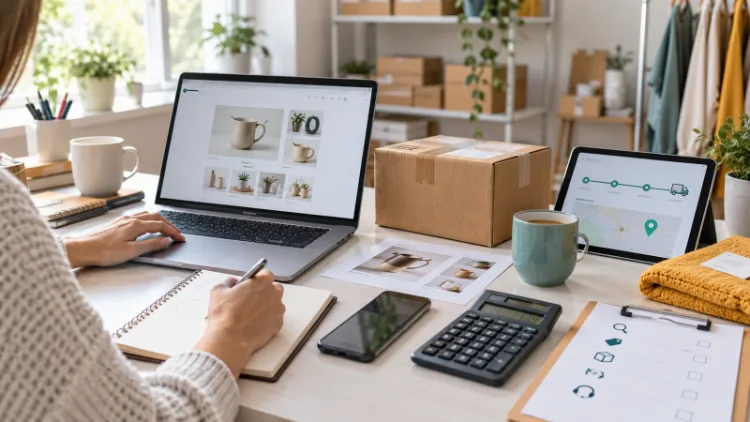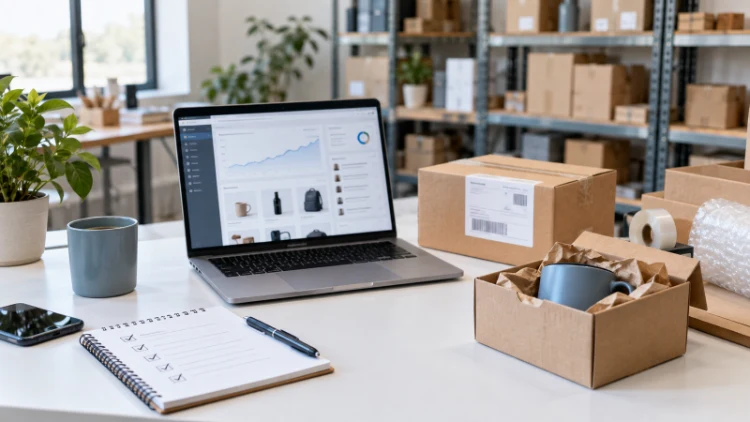
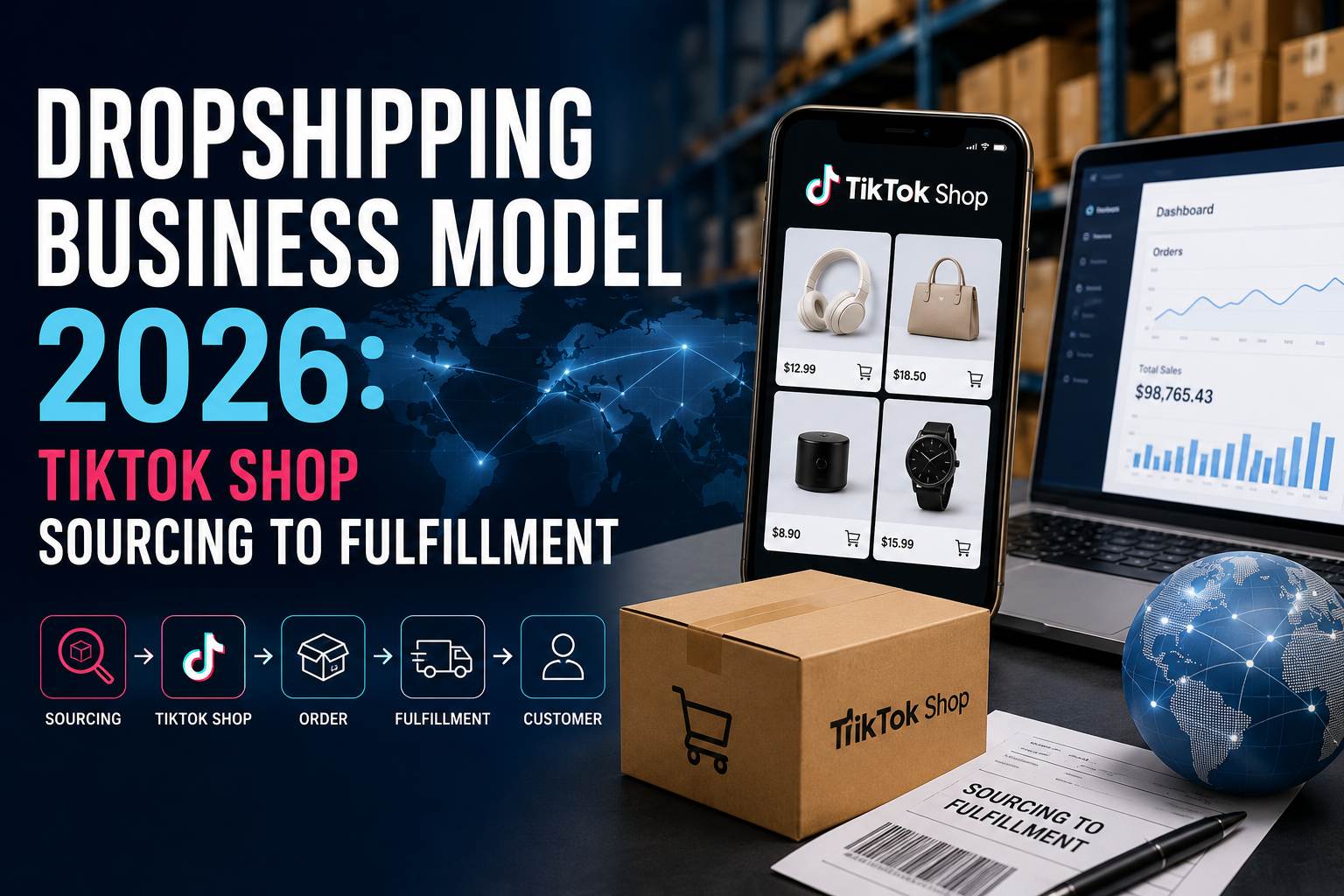
Voor B2B-aanbieders is de Dropshipping Het bedrijfsmodel is niet langer een simpel spelletje van "eerst een lijst maken, dan inkopen". Bij TikTok Shop ligt de echte druk aan de achterkant: reactiesnelheid van leveranciers, inzicht in de voorraad, nauwkeurigheid van bestellingen, discipline bij de verzending en of de logistieke afdeling het tempo kan bijhouden wanneer een product plotseling veel gevraagd wordt.
Waarom TikTok Shop het dropshipping-bedrijfsmodel in 2026 verandert.
Snellere productcycli en kortere besluitvormingsperioden
TikTok beloont nog steeds timing. Een product kan wekenlang onopgemerkt blijven, om vervolgens ineens enorm populair te worden omdat één korte video goed aanslaat. Dat klinkt van buitenaf spannend. Maar vanuit het perspectief van de inkoopafdeling is het een rommelige boel. Inkoopteams moeten ineens monsterbevestiging, de timing van aanvullingen, de consistentie van de verpakking en logistieke routes die een piek kunnen opvangen zonder tot klachten over vertragingen te leiden, regelen.
Daarom zijn brede discussies over dropshipping-marketingstrategieën op zichzelf niet meer voldoende. Goed verkeer op de website is natuurlijk belangrijk. Maar op TikTok Shop loopt de verkoper nog steeds risico als de back-end het tempo niet kan bijhouden. Het productbeleid van het platform vereist duidelijke en waarheidsgetrouwe beschrijvingen, terwijl het contentbeleid misleidende promotie verbiedt. Dat betekent dat je keuze voor een leverancier niet alleen de kosten beïnvloedt, maar ook de naleving van de regels en het risico op terugbetalingen.
De druk om aan de leveringseisen te voldoen, speelt nu een rol bij de selectie van leveranciers.
De verkoopvoorwaarden van TikTok Shop stellen dat verkopers de benodigde vergunningen, goedkeuringen, certificeringen en licenties voor hun producten moeten behouden. Het beleid inzake verboden producten blokkeert een breed scala aan onveilige, illegale, namaak- of beperkte artikelen. Voor B2B-lezers betekent dit dat een leverancier niet "goed" is omdat hij snel een offerte kan uitbrengen. Een leverancier is goed als hij u kan helpen binnen de geldende regelgeving te blijven en tegelijkertijd een stabiele levering te garanderen.
Wat B2B-kopers moeten evalueren voordat ze een dropshipping-leverancier kiezen.
Productinkoopcapaciteit en leveranciersverificatie
De eerste vraag is simpel: kan de leverancier daadwerkelijk betrouwbaar inkopen, of stuurt hij alleen maar cataloguslinks door? In 2026 is dat verschil belangrijker dan men beseft. Veel operationele problemen beginnen al voordat een bestelling wordt geplaatst: instabiele productvarianten, onduidelijke specificaties of een gebrekkige leveranciersanalyse achter de schermen.
LZ Dropshipping Het bedrijf positioneert zich rond dat onderdeel van de workflow. Op de website en in de bijbehorende servicecontent benadrukt het productinkoop, strenge kwaliteitscontroles, gediversifieerde logistieke routes, snellere offertes, verzending vanuit voorraad en responsieve ondersteuning. Zo'n opzet is nuttiger voor een merkeigenaar of distributeur dan een willekeurige lijst met goedkope leveranciers, omdat het het aantal handmatig te coördineren onderdelen vermindert.
Inzicht in de voorraad, synchronisatie van bestellingen en nauwkeurigheid van de orderafhandeling
Dit is waar veel projecten vastlopen. De productvermelding presteert goed, bestellingen stromen binnen, en dan ontdekt het team dat de reactietijd van de leverancier nog steeds wordt beheerd via spreadsheets en chatberichten tot diep in de nacht.
De gepubliceerde workflow van LZ Dropshipping wijst naar Een-klik bestellen en Automatische vervullingwaarbij winkelbestellingen in het systeem worden gesynchroniseerd, in bulk worden betaald en de trackinginformatie na verzending wordt teruggekoppeld. Het bedrijf noemt ook de integratie met Shopify en WooCommerce, plus ondersteuning voor tracking, wereldwijde magazijnen en automatisering die is ontworpen om handmatige orderverwerking te verminderen. Voor B2B-kopers is dit belangrijk, omdat systeemdiscipline ervoor zorgt dat een testfase een herhaalbaar programma wordt.
Kwaliteitscontrole, consistentie van de verpakking en retourdruk
Bij TikTok Shop worden slechte kwaliteit snel duidelijk. Retourzendingen, klachtenvideo's, negatieve reacties en de belasting van de klantenservice komen allemaal bij de verkoper terecht. Daarom moeten effectieve dropshipping-marketingstrategieën vanaf dag één rekening houden met kwaliteitscontrole, en niet pas nadat een product al problemen heeft veroorzaakt.
LZ Dropshipping legt herhaaldelijk de nadruk op kwaliteitscontrole als onderdeel van haar dienstverlening. In de documentatie worden pre-verzendingcontroles, magazijninspecties, branding op maat en professionele afhandeling genoemd, met als doel problemen met verkeerde artikelen en defecten te minimaliseren. Ook worden gepersonaliseerde verpakkingen en bedankkaartjes aangeboden aan verkopers die hun merk meer willen presenteren.
Dat is de meest realistische route voor verkopers die verder willen gaan dan arbitrage op de korte termijn. Als het pakket er willekeurig uitziet en de productkwaliteit per batch verschilt, wordt het moeilijker om klanten te behouden en wordt de winstmarge opgeslokt door servicekosten.
Van inkoop voor de TikTok-shop tot orderafhandeling: hoe de workflow er in de praktijk uitziet
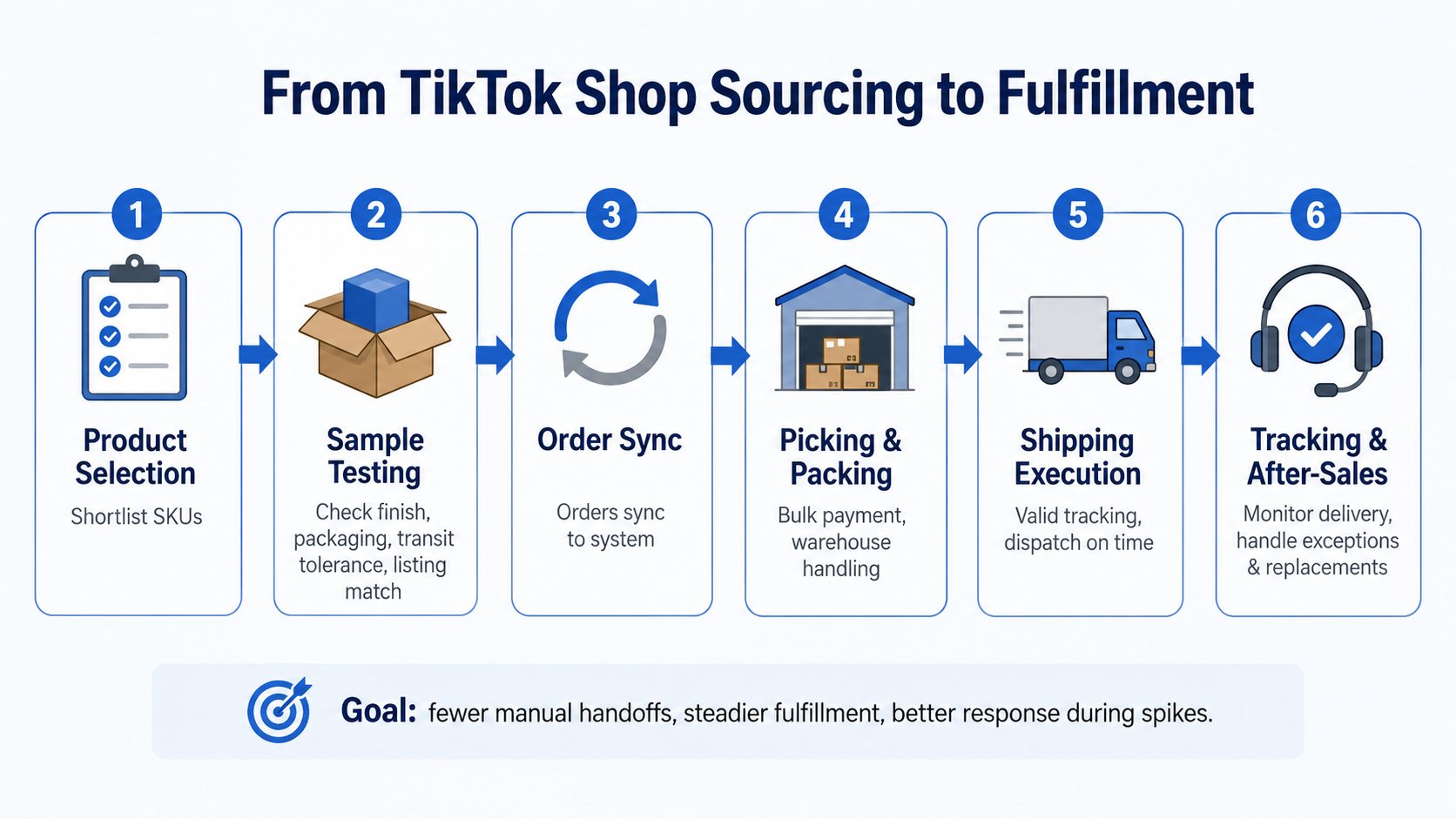
Productselectie en monstertesten vóór vermelding.
Voor B2B-teams is het belangrijk om eerst een steekproef te nemen voordat er een grootschalige uitrol plaatsvindt. Niet elk product dat er goed uitziet in een korte video is direct geschikt voor massaproductie. Je moet de afwerking, de verpakking, de transportbestendigheid en of het geleverde product daadwerkelijk overeenkomt met de beschrijving in de advertentie controleren.
Een praktische methode is om een paar SKU's te selecteren, samples aan te vragen, varianten te bevestigen en vroegtijdig te beslissen of het artikel alleen geschikt is voor testvolumes of ook voor merkgebonden herhaalbestellingen. Dat klinkt eenvoudig, maar het overslaan van deze stap is nog steeds een van de duurste fouten in het dropshipping-bedrijfsmodel.
Orderverwerking, orderverzameling, verpakking en verzending.
Zodra een winkel begint te converteren, is snelheid cruciaal. Niet gehaaste, chaotische snelheid, maar gecontroleerde snelheid. Volgens de richtlijnen van TikTok Shop voor orderafhandeling hebben verkopers geldige tracking nodig en moeten ze voldoen aan de verzend- en leveringsvereisten die gekoppeld zijn aan serviceniveaus.
LZ Dropshipping beschrijft een orderstroom waarbij bestellingen van de webwinkel worden gesynchroniseerd met het systeem, de verkoper de bestellingen in bulk betaalt en de trackingnummers na verzending worden teruggekoppeld. Het bedrijf positioneert zich ook als leverancier van wereldwijde magazijnen. product sourcing, Automatische orderafhandeling en tracking als onderdeel van het bredere servicemodel.
Voor een distributeur of merkteam betekent dit minder handmatige overdrachten en een grotere kans om de verzendprestaties stabiel te houden tijdens pieken.
Leveringsvolging, uitzonderingen en coördinatie na de verkoop
De laatste fase van de levering is waar de operationele discipline op de proef wordt gesteld. Vertraagde scans, verkeerde varianten, beschadigde verpakkingen en ontbrekende pakketten zorgen allemaal voor problemen. Als uw partner niet snel kan reageren met een verzendstatus of een oplossing voor eventuele problemen, loopt de winkel het risico op schade.
Hoe bouw je een betrouwbaarder schaalmodel?
De praktische aanpak is meestal hetzelfde. Begin met testbare SKU's. Vermijd te vroeg al te complexe aanpassingen. Werk samen met een partner die inkoop, kwaliteitscontrole, verpakkingsondersteuning en orderafhandeling in één workflow combineert. Versterk vervolgens de merkidentiteit van geselecteerde producten zodra de data duidelijk is. Een service zoals LZ Dropshipping is hiervoor uitermate geschikt. Niet als een magische snelkoppeling, maar als een operationele laag voor verkopers die inkoop, magazijnbeheer en verzendcoördinatie niet willen laten spreiden over verschillende contactpersonen.
Met andere woorden, de betere vraag is niet of TikTok-verkeer nog steeds orders kan genereren. De echte vraag is of uw aanbodzijde is toegerust om dat verkeer te doorstaan.
Veelgestelde vragen
Vraag 1: Wat is de minimale bestelhoeveelheid (MOQ) die B2B-kopers kunnen verwachten voordat ze een product in de TikTok Shop gaan testen?
A1: Voor een testfase van een TikTok Shop is een lagere minimale bestelhoeveelheid (MOQ) meestal beter, vooral wanneer je nog de product-marktfit en het klachtenpercentage aan het controleren bent. Maar een lage MOQ werkt alleen als de leverancier de specificaties consistent kan houden. Als je later merkverpakkingen, inserts of bundelassemblages verwacht, vraag dan apart naar de MOQ daarvoor voordat je opschaalt.
Vraag 2: Kan LZ Dropshipping maatwerk en verpakkingen met uw eigen merk aanbieden?
A2: Op basis van de gepubliceerde service-inhoud promoot LZ Dropshipping aangepaste branding, Het model biedt ondersteuning op maat voor verpakkingen, bedankkaartjes, product sourcing en kwaliteitscontroles. Daardoor is het extra relevant voor verkopers die willen overstappen van testbestellingen naar een gestroomlijnder, merkgebonden fulfilmentproces.
Vraag 3: Wat moeten kopers vragen over de service na aankoop en het onderhoud?
A3: Zelfs bij dropshipping zijn vragen over de aftersales belangrijk. Vraag wie de afhandeling van claims voor verkeerde artikelen, beschadigde pakketten, vertraagde tracking en herverzendingen verzorgt. Vraag voor risicovollere categorieën ook welke documentatie, compliance-bestanden of kwaliteitsgegevens kunnen worden aangeleverd als het platform of de douane daarom vraagt. Het beleidskader van TikTok Shop maakt dit een praktische vraag, geen administratieve formaliteit.
Vraag 4: Hoe kunnen B2B-kopers een product van TikTok Shop testen zonder al te veel risico te lopen in de toeleveringsketen?
A4: Begin met een kleine, gecontroleerde test in plaats van direct op te schalen met de eerste veelbelovende SKU. Vraag de leverancier om monstercontroles te ondersteunen, de verpakking en variantdetails te bevestigen en te controleren of de ordersynchronisatie, trackingupdates en klantenservice soepel verlopen bij daadwerkelijke bestellingen. Voor B2B-kopers is het doel van de eerste ronde niet alleen om het verkooppotentieel te testen, maar ook om te zien of de leverancier de productconsistentie en leveringsstabiliteit kan waarborgen voordat herhaalbestellingen of bestellingen onder eigen merknaam worden geplaatst.