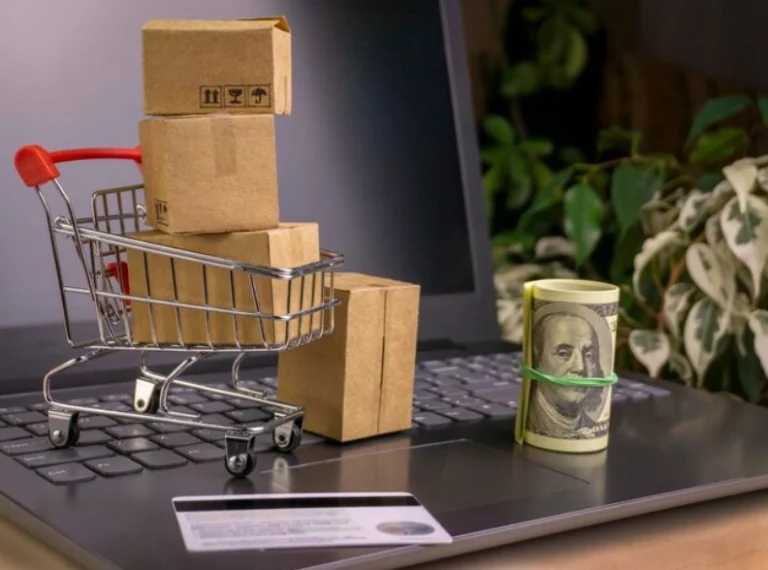
Dropshipping has developed from a specialized delivery approach into a widely adopted business structure throughout global online retail. Growing international purchasing interest, smooth platform connections, and improved digital supply networks have simplified the process for merchants to establish shops without committing substantial funds to stock storage or physical distribution facilities.
Nevertheless, an increasingly competitive market, elevated buyer expectations, and increasing transportation difficulties expose fundamental weaknesses in the approach. Dropshipping currently calls for careful operational management beyond merely offering inexpensive startup conditions. Merchants who consider this method need to carefully balance adaptability with oversight, growth potential with reliance on supplies, and smooth operation against shipment-related obstacles.
This article will analyze the primary benefits and drawbacks of dropshipping in the present online commerce environment, presenting real suggestions about ways merchants can capitalize on strong points while reducing practical difficulties.
Why Has Dropshipping Become So Popular in Modern E-Commerce?
Dropshipping experienced swift acceptance as worldwide Internet shopping continued expanding and business starters searched for lower-risk market entry strategies.
How Does Low Startup Capital Attract New Sellers?
Conventional retail operations require considerable initial spending on merchandise stockpiles, storage, and logistic facilities, while dropshipping reduces these costs. Merchants can begin selling activities without purchasing goods in advance, directing available resources toward promotional efforts and customer outreach instead of stock acquisition, which reduces the monetary threshold, facilitates swift business testing, and invites additional participants into international trade activities.
Why Does Operational Simplicity Accelerate Market Entry?
Because product providers manage packing procedures and dispatch activities, merchants bypass complicated storage management tasks. Order handling becomes considerably lighter, permitting personnel to direct attention toward website administration and advertising initiatives. Such simplicity decreases the duration needed to begin sales, allowing merchants to respond promptly to emerging product demand patterns.
What Advantages Make Dropshipping Attractive for Scaling Businesses?
Apart from initial convenience factors, dropshipping delivers practical adaptability that facilitates company enlargement.
How Does Product Flexibility Improve Market Testing?
Since merchandise remains unpurchased until orders arrive, merchants can experiment with new product groups without financial commitment. Products showing poor performance may be discontinued without residual stock losses, while successful items gain additional promotional emphasis. This adaptability enables shops to adjust swiftly to shifting buyer preferences and marketplace developments.
Why Does Global Supplier Access Expand Product Variety?
Provided suppliers keep adequate inventory levels, merchants can present extensive merchandise selections without physically managing products, which supports quick entry into additional market segments without capital exposure.
To preserve sourcing consistency throughout expansion phases, services focused on product sourcing are assisted by organizing supplier evaluation and quality verification processes, thereby maintaining consistency across different stock-keeping units and minimizing interruptions caused by supplier inconsistencies.
Dropshipping maintains growing acceptance as an element of international retail development, bolstered by computerized supply chain mechanisms that enhance worldwide product movement effectiveness.

What Operational Challenges Limit Dropshipping Success?
Despite evident appeal, dropshipping introduces several risks that directly affect buyer satisfaction and profit stability.
Why Do Shipping Delays Damage Customer Experience?
Merchandise dispatched directly from provider locations frequently involves lengthy international transit routes. Customs processing holdups, together with variable carrier reliability, diminish buyer contentment, particularly in regions expecting rapid domestic arrival times.
Long-term delivery periods commonly trigger refund demands or unfavorable comments, thereby harming the shop’s credibility.
How Does Supplier Dependence Reduce Seller Control?
Merchants heavily rely on provider inventory accuracy, packing quality, and dispatch timing. Stock shortages or quality changes become apparent only after customer commitment, resulting in order cancellations or substitution arrangements. Such reliance diminishes merchant authority over delivery dependability.
How Does Automation Help Overcome Dropshipping Bottlenecks?
Practical inefficiencies frequently emerge whenever the number of transaction surpass manual handling capabilities.
Why Do Manual Ordering Processes Increase Operational Risk?
Manually processing order transmission and shipment tracking introduces possibilities for human mistakes. Inaccurate product choices or delivery information generate expensive corrections and return management requirements.
Manual handling also delays fulfillment activities during periods of heightened purchasing activity.
How Does Automated Order Execution Improve Fulfillment Reliability?
Automated systems connect store transactions directly with provider networks, decreasing processing intervals and reducing mistakes.
Approaches, including the service of one-click ordering, enable merchants to channel orders immediately into delivery sequences, promoting precision and expansion capability while substantially lowering operational resistance.
Why Is Warehousing Still Important in a Dropshipping Model?
Although dropshipping removes conventional stock possession requirements, strategic storage facilities continue to hold significant operational value.
How Do Regional Warehouses Improve Delivery Performance?
Locating inventory nearer to purchasing customers shortens transit time and decreases transportation expenses. Regional facilities also assist compliance with marketplace arrival expectations and enhance overall buyer contentment levels.
Localized stock positioning facilitates quicker dispatch operations and more efficient customs processing procedures.
Why Does Distributed Inventory Improve Stability?
Distributed storage layouts permit inventory redistribution among various territories, thereby avoiding shortages in high-consumption areas while minimizing the accumulation of risks elsewhere.
Platforms offering the service of global warehousing enable merchants to maintain dropshipping adaptability and accelerated regional delivery performance, thereby strengthening reliability without direct warehouse management responsibilities.
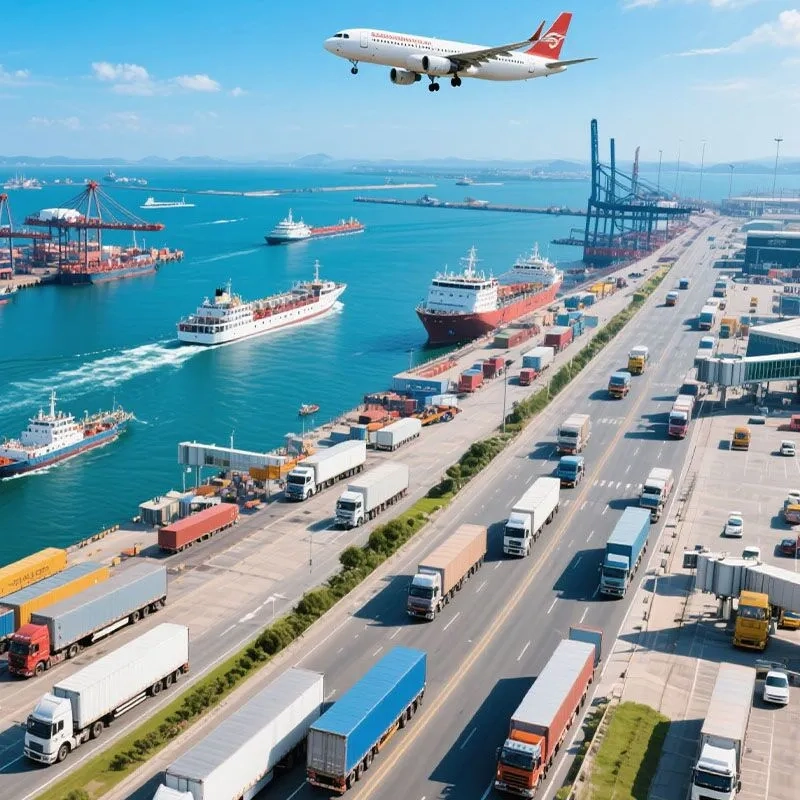
Where Does Integrated Fulfillment Support Make a Difference?
Disconnected fulfillment activities frequently generate communication deficiencies among sourcing operations, storage management, and transportation processes.
Why Do End-to-End Fulfillment Systems Reduce Operational Risk?
When sourcing activities, storage functions, and shipping operations function in coordinated frameworks, execution mistakes decline, and responsibility clarity increases. Consolidated sequences facilitate quicker problem resolution together with uniform performance standards.
How Does an Integrated Partner Support Dropshipping Growth?
This represents the area where LZ Dropshipping contributes to contemporary delivery networks. Through integrating supplier organization, automated transaction processing, storage assistance, and international transportation coordination, we permit merchants to conduct expandable operations without constructing elaborate internal distribution systems. This comprehensive assistance enables businesses to concentrate efforts on brand cultivation and market penetration while preserving dependable fulfillment performance across different geographic regions.
Conclusion
Dropshipping continues to represent one of the most approachable delivery strategies in current online commerce environments, delivering low initial investment requirements, merchandise adaptability, and operational expansion potential. Nevertheless, provider reliance, long transit time, and process inefficiencies can compromise sustained performance unless properly addressed.
Achieving lasting effectiveness requires organized sourcing methods, mechanized order management systems, geographically distributed storage approaches, and unified fulfillment coordination. When these components work together effectively, dropshipping progresses beyond serving as an entry-level mechanism into becoming a robust operational structure that supports continued international e-commerce development.
FAQs
Q: Is dropshipping still profitable in today’s competitive environment?
A: Profitability hinges upon provider consistency, transportation effectiveness, and promotional performance rather than depending solely upon the delivery approach itself.
Q: Can dropshipping scale for high-volume operations?
A: Yes, provided automated systems together with structured delivery sequences are properly implemented to manage substantial transaction quantities reliably.
Q: Does dropshipping eliminate the need for warehousing?
A: No. Carefully planned storage facilities enhance delivery speed and operational consistency even when utilizing dropshipping arrangements.