
Healthcare product fulfillment faces far stricter requirements compared with common consumer shipping arrangements. Products, including rehabilitation equipment, wellness items, medical braces, and home-care instruments, directly affect users’ well-being and confidence. Any delays in logistics, mistakes during packing, or variations in product condition may cause not only customer frustration but also serious operational difficulties and potential regulatory violations.
As rising healthcare needs are met through online platforms and international sales channels, fulfillment operations must manage complicated supply origins, rigorous quality testing, automated handling procedures, and worldwide transportation requirements. The article examines principal structural challenges faced in healthcare fulfillment and presents workable approaches that strengthen operational stability while supporting gradual expansion.
What Makes Healthcare Product Fulfillment Inherently Complex?
Healthcare delivery processes need to reconcile speedy operational performance with stringent quality standards and legal obligations. In contrast to ordinary retail goods, healthcare-related items raise high expectations in product tracking, packaging condition, and stable arrival timing.
Why Do Compliance and Regulatory Requirements Raise the Bar?
Various nations maintain separate rules governing healthcare merchandise. Requirements for labeling details, import limitations, packing specifications, and accompanying paperwork frequently differ between territories. Mistakes involving declaration statements or item classification often result in prolonged customs processing or outright shipment refusal.
Consequently, fulfillment operators must organize supply documentation, packing guidelines, and transportation records from the initial stages rather than addressing problems only after goods begin moving.
How Do Product Sensitivity and Quality Control Increase Fulfillment Risk?
Many healthcare articles demand careful protective wrapping together with thorough examination routines to preserve the item’s condition. Minor problems, including torn outer packaging or absent small parts, can make entire products improper for use.
Performing quality assessments before storage and dispatch helps keep return percentages from climbing sharply. Dependable fulfillment sequences, therefore, include dedicated checking points that confirm product state, packaging soundness, and order precision before items leave the facility.
How Does Product Sourcing Become a Bottleneck in Healthcare Fulfillment?
Reliable fulfillment performance starts with careful decisions regarding product origins. Inappropriate supplier choices generate instability that downstream logistics efforts cannot fully overcome.
Why Is Supplier Qualification More Critical Than Price Optimization?
Purchasers of healthcare products anticipate consistent product characteristics and safe constituent materials. Unexpected alterations by suppliers in wrapping materials, measurements, or composition disrupt established fulfillment sequences. Shortfalls in certification materials or supporting records additionally introduce compliance vulnerabilities.
Long-standing supplier relationships, therefore, deliver greater operational predictability over extended periods, despite marginally elevated per-unit expenses at the outset.
How Can Structured Product Sourcing Reduce Operational Uncertainty?
Systematic sourcing procedures streamline supplier evaluation, quality check, and product standardization management. Effective management can ensure consistent application of labels and packaging formats before inventory reaches storage places.
Services focused on product sourcing are assisted by combining supplier interactions, inspection activities, and stock-keeping unit oversight in a single coordinated framework, thereby diminishing the uncertainty in sourcing that often interrupts healthcare distribution networks.

Why Does Manual Order Processing Fail at Healthcare Scale?
Rising transaction volumes in healthcare online commerce render manual handling methods increasingly inefficient and susceptible to mistakes.
How Do Manual Fulfillment Processes Increase Error Rates?
Hand-operated information input creates possibilities for errors, including incorrect delivery addresses, mismatched labeling information, or incomplete supporting documents. As order quantities grow larger, even infrequent mistakes accumulate rapidly and produce delayed shipments or incorrect product routing.
Manual approaches additionally hinder timely order synchronization, thereby restricting warehouse capacity to handle dispatch activities promptly.
How Does Automated Order Execution Improve Reliability?
Systems designed for automatic order management transfer transaction details directly from e-commerce platforms to fulfillment centers. Built-in assignment algorithms ensure proper shipment routing absent human involvement.
Approaches such as auto fulfillment decrease processing delay times, accelerate operational speeds, and stabilize consistent execution standards when healthcare product purchases increase unexpectedly, which is particularly valuable during sudden demand surges.

Why Is Global Warehousing Essential for Healthcare Fulfillment Stability?
Storage strategies relying upon a single geographic site encounter substantial difficulties meeting worldwide healthcare requirements efficiently.
How Do Regional Warehouses Reduce Delivery and Compliance Risk?
Positioning stock inventories nearer to end customers shortens transit durations and simplifies customs clearance procedures. Local storage facilities also facilitate necessary modifications to packaging configurations or labeling content in order to satisfy regional legal standards.
Such geographic closeness is especially important whenever rapid product availability matters or when transportation regulations show significant variation between countries.
What Role Does Distributed Inventory Play in Demand Volatility?
Healthcare consumption patterns frequently shift due to seasonal health conditions or evolving market preferences. Distributed inventory layouts permit stock redistribution among different areas, thereby avoiding shortages or excessive accumulation.
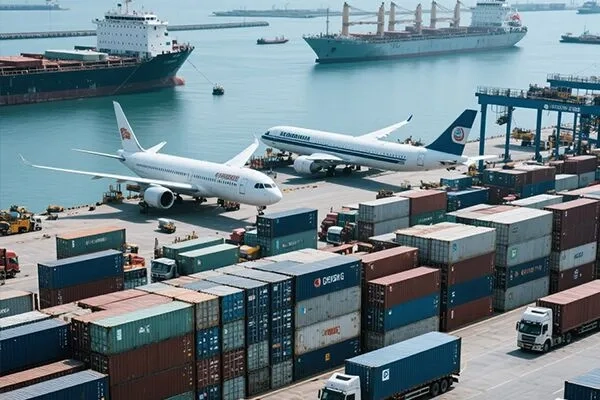
Global warehousing supports strategic placement of goods closer to active consumption regions, enabling healthcare vendors to preserve swift delivery performance while effectively controlling inventory exposure across diverse geographic markets.
How Can Fulfillment Systems Adapt to Healthcare Market Volatility?
Shifting demand patterns in healthcare arise from public health developments, population changes, or emerging consumer wellness interests. Fulfillment arrangements must therefore maintain sufficient adaptability.
Why Is Fulfillment Flexibility a Competitive Advantage?
Adaptable fulfillment structures permit swift addition or discontinuation of product categories without incurring substantial inventory-related risks. This responsiveness allows vendors to address newly arising healthcare requirements promptly while minimizing potential product obsolescence.
How Does Data Visibility Improve Decision-Making?
Continuous information regarding inventory flow patterns, order volume tendencies, and shipment outcome metrics enables operators to forecast upcoming demand increases or supply interruptions. Enhanced visibility supports improved planning across sourcing activities, storage, distribution decisions, and transportation approaches.
Where Does Integrated Fulfillment Support Fit into the Healthcare Ecosystem?
Healthcare delivery operations frequently encounter difficulties when separate providers handle different responsibilities with insufficient coordination.
Why Do End-to-End Fulfillment Models Reduce Structural Risk?
Unified systems minimize communication breakdowns among teams responsible for sourcing, storage, packing, and transportation activities. Consolidated responsibility prevents disagreements regarding accountability whenever problems develop.
Comprehensive end-to-end fulfillment sequences enhance overall process uniformity and permit healthcare vendors to concentrate efforts on product innovation and market expansion instead of resolving routine operational difficulties.
How Does an Integrated Partner Support Healthcare Sellers?
LZ Dropshipping delivers substantial value in this process. As a bridge between product suppliers, storage facilities, and international transportation networks, we offer coordinated sourcing management, quality verification assistance, automated fulfillment, and worldwide distribution resources. Through the integration of these components, healthcare product sellers achieve greater operational steadiness while expanding presence across multiple regions without developing a complex in-house logistics infrastructure.
Conclusion
Healthcare product fulfillment requires meticulous alignment among sourcing activities, inspection routines, storage management, process automation, and transportation execution. Any misstep occurring at individual stages may disrupt scheduled arrivals or jeopardize product condition.
Implementation of organized sourcing methods, mechanized fulfillment arrangements, geographically distributed storage approaches, and comprehensive operational partnerships enables vendors to construct delivery frameworks capable of sustaining extended participation in growing healthcare markets while preserving consistent performance and regulatory adherence.
FAQs
Q: Why does healthcare fulfillment require stricter processes than general e-commerce?
A: Product quality standards, packaging precision requirements, and dependable delivery performance directly impact user safety, together with adherence to regulatory obligations.
Q: Can automated fulfillment benefit smaller healthcare sellers?
A: Yes. Automated procedures decrease human-introduced mistakes and permit modest operations to expand capacity without corresponding large increases in personnel requirements.
Q: Is global warehousing necessary for all healthcare products?
A: Not necessarily in every case, although it offers considerable advantages when addressing multiple territories characterized by differing expectations regarding delivery speed or specific regulatory conditions.