La vente en ligne en 2026 est plus exigeante qu’il y a quelques années. Plus de magasins sont en concurrence pour les mêmes clients, les attentes d'expédition sont plus serrées et la pression de retour est plus difficile à absorber. Les ventes de commerce électronique au détail aux États-Unis ont atteint 1 2337 milliards de dollars en 2025, et le commerce électronique a représenté 16,4% des ventes totales au détail. Dans le même temps, les détaillants ont estimé que 16,9% des ventes annuelles en 2024 seraient remboursées. Pour les vendeurs qui travaillent avec des marges minces, cette combinaison change l’économie de l’exécution. Un produit qui arrive en retard, endommagé ou incohérent ne crée plus seulement un problème de service à la clientèle. Cela peut affaiblir les avis, réduire les commandes répétées et rendre le trafic payant moins rentable.
C’est pourquoi les agents de dropshipping sont devenus plus importants. Une relation d'agent solide aide à relier l'approvisionnement des produits, l'inspection, l'expédition et la gestion quotidienne des commandes en un seul processus stable. Cela est encore plus important pour les vendeurs qui traitent de la politique de dropshipping du magasin, où le timing, les performances de livraison et la discipline opérationnelle façonnent la santé du magasin. Pour les marques qui veulent un meilleur contrôle sans détenir de gros inventaires, la voie la plus intelligente implique souvent un agent d'approvisionnement en porcelaine capable, un agent privé de dropshipping fiable ou les deux travaillant dans un flux de travail d'exécution clair.
Pourquoi l’approvisionnement en produits est devenu une décision de base pour la croissance
Approvisionnement des produits Ce n'est plus une tâche d'achat étroite. Il façonne la marge de profit, la cohérence du produit, la vitesse de livraison et la facilité avec laquelle un magasin peut tester ou évoluer. Les vendeurs ne peuvent plus compter sur un catalogue aléatoire et s'attendre à des résultats stables. Les produits les plus performants sont généralement ceux soutenus par une meilleure communication avec les fournisseurs, un meilleur contrôle de qualité et moins de surprises après la commande.
C’est là que l’approvisionnement devient une décision de croissance au lieu d’une simple action d’achat. Un vendeur doit savoir si un fournisseur peut maintenir la même norme au fil du temps, pas seulement si le premier échantillon semble acceptable. Une usine qui peut gérer un petit lot peut encore lutter avec la cohérence de l'emballage, les accessoires ou la qualité de finition une fois que le volume quotidien commence à augmenter. Pour cette raison, de plus en plus de magasins traitent la sélection des fournisseurs dans le cadre de la construction de la marque à long terme plutôt que de la chasse à court terme.
L’approvisionnement ne se limite plus à trouver un prix bas
Une cotation faible semble souvent attrayante au début. En pratique, le coût réel d'un produit comprend les taux de défaut, le risque de remboursement, les problèmes de manutention, les frais de remplacement et les plaintes de livraison. Un coût unitaire moins cher peut rapidement devenir cher lorsque le produit arrive rayé, incomplet ou mal emballé.
C'est l'une des raisons pour lesquelles de nombreux vendeurs travaillent avec des agents dropshipping au lieu de se fier uniquement aux marchés ouverts. Un agent peut aider à comparer la stabilité des fournisseurs, à confirmer les détails de production et à réduire les erreurs avant qu'un produit ne soit répertorié à grande échelle. Un agent d'approvisionnement sérieux en Chine donne également aux vendeurs une vue plus claire de la cohérence de la fabrication, pas seulement de la disponibilité du catalogue.
Pour les magasins qui testent de nouvelles catégories, cela compte immédiatement. Un processus d’approvisionnement plus solide facilite le test des produits avec plus de confiance. Il réduit également la possibilité d'écheller un élément faible qui crée plus tard une vague de problèmes après-vente évitables.
La différenciation est plus importante lorsque chaque magasin voit des produits similaires
Les catalogues ouverts facilitent la découverte de produits, mais ils facilitent également la duplication. De nombreux magasins finissent par vendre des produits presque identiques, en utilisant des photos similaires, des descriptions correspondantes et en concurrence sur des écarts de prix étroits. C’est rarement une position solide à long terme.
Un modèle d’approvisionnement plus direct donne aux marques plus d’espace pour façonner l’offre finale. Cela peut inclure des mises à niveau d'emballage, des ajustements de paquets, des variations de produits ou un positionnement de niche. Cela devient particulièrement important pour les stratégies de dropshipping personnalisées. Une fois que les vendeurs dépassent les articles du catalogue standard, ils ont besoin de plus de coordination entre l'approvisionnement, l'inspection et l'expédition.
C’est également pourquoi les produits dropshipping personnalisés continuent d’attirer l’attention. Ils créent plus d’espace pour la marge et l’identité de marque, mais ils exigent également plus de contrôle dans les coulisses. Un vendeur ne peut pas offrir un article personnalisé avec confiance si l'usine, l'entrepôt et la ligne d'expédition ne fonctionnent pas en synchronisation.
Pourquoi le contrôle de qualité affecte directement les bénéfices, les avis et la stabilité du magasin
Le contrôle de qualité est souvent considéré comme un détail technique, mais son impact commercial est immédiat. Chaque défaut crée des coûts. Chaque article incorrect expédié crée un travail de soutien supplémentaire. Chaque colis cassé ou incohérent augmente les chances de remboursement, de remboursement ou d'évaluation négative.
Pour de nombreux vendeurs de commerce électronique, le vrai problème n'est pas une seule mauvaise commande. C'est la répétition. Lorsque la même erreur apparaît sur des dizaines ou des centaines d’expéditions, le magasin commence à perdre confiance exactement au moment où il devrait croître.
Le QC fort commence avant que la commande ne soit emballée
Le contrôle de qualité commence par la sélection des produits, l'évaluation des fournisseurs et l'examen des échantillons. Il continue avec la gestion des commandes, les contrôles des colis et la précision de l'expédition. Les systèmes les plus forts ne traitent pas le QC comme un dernier regard avant l'expédition. Ils le traitent comme faisant partie du chemin de commande complet.
C’est pourquoi les vendeurs expérimentés préfèrent souvent un flux de travail d’approvisionnement structuré plutôt qu’une communication fragmentée avec les fournisseurs. Un agent d'approvisionnement fiable en porcelaine aide à vérifier si le produit peut être vendu à plusieurs reprises avec la même finition, l'emballage et l'ensemble d'accessoires. Un agent privé dropshipping fiable aide à relier ces contrôles à l'exécution quotidienne des commandes.
Cela est important dans presque toutes les catégories. Les produits peuvent sembler simples en ligne mais comportent toujours des risques cachés: matériaux faibles, dimensionnement inexact, décalage de couleur, pièces manquantes ou dommages à l'emballage causés lors de la manipulation. Beaucoup de ces problèmes sont évitables lorsque l'inspection est intégrée dans le flux de travail au lieu de le traiter comme une réflexion postérieure.
Le QC protège à la fois la confiance des clients et l'efficacité publicitaire
De nombreux vendeurs considèrent le contrôle de qualité comme une tâche défensive. En fait, il soutient également les revenus. Un produit qui arrive comme prévu est plus susceptible de produire de meilleurs avis, un volume de support plus faible et une intention de répétition plus forte. Cela améliore l'efficacité globale du magasin.
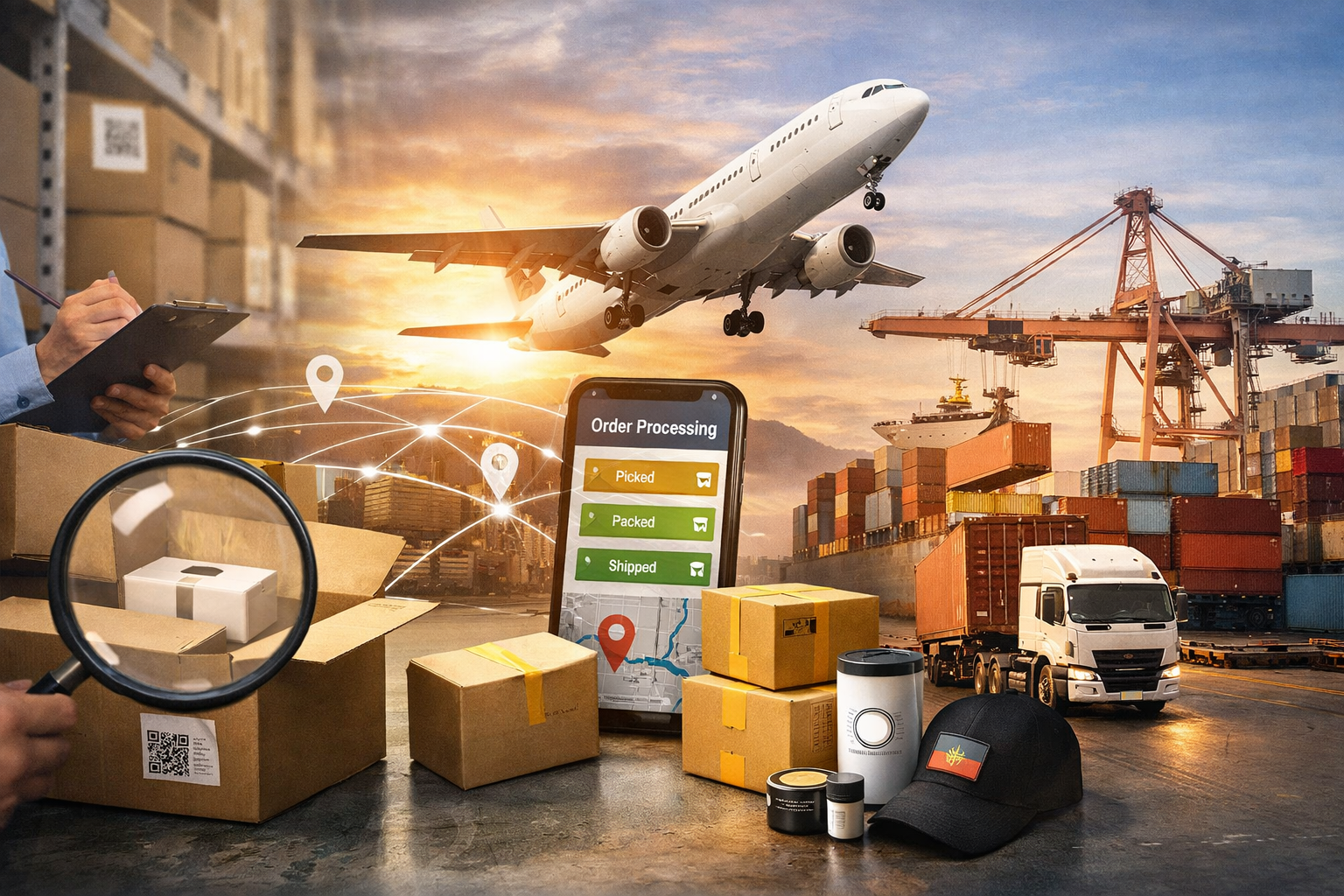
Un processus de contrôle de qualité disciplinaire comprend généralement le dépistage des fournisseurs, les contrôles des produits avant l'entreposage, la vérification de la commande avant l'expédition et une meilleure vue de l'état du colis une fois que l'expédition commence. Cela est particulièrement utile pour les vendeurs qui exécutent des campagnes payantes. Les dépenses publicitaires deviennent beaucoup plus difficiles à récupérer lorsque les plaintes des clients augmentent après la livraison.
Pour cette raison, le meilleur agents dropshipping Ils n’aident pas seulement les magasins à acheter des produits. Ils aident les magasins à réduire les frottements évitables dans toute l'expérience client. Dans un marché où les taux de rendement restent élevés, ce type de contrôle est devenu beaucoup plus précieux.
Pourquoi la vitesse d'expédition et la conformité maintenant forment la sélection de l'agent
L'expédition s'asseyait plus tard dans le processus. Un vendeur a trouvé un produit, l'a répertorié, puis s'est inquiété de la logistique après que les commandes aient commencé à arriver. L'expédition influe désormais sur ce qu'un vendeur devrait acheter, comment un vendeur devrait emballer et quel modèle opérationnel a du sens dès le début.
Ce changement est particulièrement visible sur les canaux de commerce social. Les clients achètent plus rapidement, s'attendent à des mouvements plus rapides et réagissent rapidement lorsque l'expérience de livraison semble incertaine. Cela rend la conformité et la vitesse d'expédition au centre des performances du stockage, et non des préoccupations secondaires.
L'expédition rapide fait partie intégrante de l'adaptation du produit au marché
Un produit n'est pas vraiment viable s'il ne peut pas être expédié d'une manière commercialement raisonnable. Un produit gagnant avec une exécution instable se transforme souvent en un problème de courte durée plutôt qu’en un actif fiable. C'est l'une des raisons pour lesquelles la discipline opérationnelle est maintenant aussi importante que la sélection des produits.
Pour les vendeurs qui travaillent avec la politique de dropshipping de TikTok, la vitesse d'exécution a encore plus de poids. TikTok Shop exige des vendeurs d'expédier dans les 2 jours ouvrables pour bénéficier de certaines exemptions d'expédition tardive, ce qui signifie que la vitesse du backend affecte directement les performances de la plateforme. Cette pression a poussé davantage de vendeurs à repenser les chaînes de fournisseurs faibles et à se tourner vers des structures d’exécution plus étroites.
C'est là qu'un modèle d'agent privé de dropshipping plus fort devient souvent plus pratique que de jongler avec des fournisseurs non liés. Un flux de travail centralisé permet une plus grande cohérence dans la synchronisation des commandes, la sélection des lignes d'expédition, l'inspection et la visibilité du suivi. Il réduit également les lacunes de communication qui ralentissent souvent l'expédition.
La flexibilité de l'expédition est importante lorsque les magasins commencent à s'étendre
Au fur et à mesure que le volume des commandes augmente, les décisions d'expédition deviennent plus complexes. Les vendeurs peuvent avoir besoin d'équilibrer le coût, la vitesse, la destination, le type de produit et la pression saisonnière à la fois. Une structure d'expédition faible conduit généralement à des retards, des choix de transporteur mal adaptés ou une mauvaise visibilité après que le colis quitte l'entrepôt.
Un flux de travail plus solide facilite la gestion. L'expédition du même jour pour les articles en stock, les canaux logistiques multiples, la gestion transparente des commandes et la coordination plus claire de l'entrepôt réduisent tous les risques de retards opérationnels. Ces détails peuvent sembler de routine, mais ils façonnent l’expérience client de manière très visible.
C’est l’une des raisons pratiques LZ Dropshipping devient pertinent dans une discussion sur l'approvisionnement, le QC et l'expédition. Le modèle d'affaires se concentre sur l'approvisionnement plus rapide des produits, le contrôle strict de la qualité, plusieurs canaux d'expédition, la gestion automatisée des commandes avec visibilité de suivi en temps réel et un support client réactif. Ce type de structure aide les vendeurs à s’éloigner de la gestion fragmentée des fournisseurs et à se tourner vers un flux de commandes plus stable. Il convient également aux magasins qui veulent un dropshipping personnalisé sans perdre de vue la vitesse d'exécution.
Comment le dropshipping personnalisé change ce dont les vendeurs ont besoin d'un agent

Alors que la concurrence augmente, de nombreuses marques veulent plus que la revente de base. Ils veulent une présentation, une différenciation et un rappel de marque plus fort. C’est là que le dropshipping personnalisé devient plus attrayant. Un meilleur emballage, des inserts ajustés, des matériaux de marque et des combinaisons de produits sur mesure peuvent aider les magasins à paraître moins génériques et à renforcer la mémoire des clients.
Pourtant, le travail sur mesure augmente également le niveau de difficulté. Une fois qu'un magasin commence à vendre des produits dropshipping personnalisés, chaque partie du backend doit devenir plus cohérente. La version du produit doit être correcte. L’emballage doit correspondre aux attentes de la marque. La commande doit être vérifiée soigneusement. Le colis doit se déplacer sans retard inutile.
Les produits sur mesure nécessitent une coordination plus étroite que les articles standard du catalogue
Un produit standard extrait d'un catalogue ouvert suit souvent une chaîne simple. Un produit personnalisé ne le fait pas. La personnalisation ajoute des points de communication supplémentaires et plus de chances d'erreurs. Si l'entrepôt utilise le mauvais emballage, si une application de logo est incohérente ou si les accessoires sont mal emballés, l'expérience client s'affaiblit immédiatement.
C'est pourquoi les produits dropshipping personnalisés sont mieux soutenus par une structure d'approvisionnement et d'exécution qui peut gérer plus que l'achat de produit seul. Les vendeurs ont besoin de coordination entre la communication des fournisseurs, l'inspection, la préparation des stocks, les normes d'emballage et l'expédition. Sans cela, le travail sur mesure peut créer plus de frottement que de valeur.
Pour les magasins qui cherchent à sortir de la pure concurrence des prix, cette coordination est importante. Il aide à transformer la personnalisation en un avantage opérationnel au lieu d'une promesse de service difficile à maintenir.
Une prochaine étape pratique pour les marques qui veulent plus de contrôle
De nombreux vendeurs n'ont pas besoin d'un changement massif d'infrastructure. Il faut un processus plus fiable. Cela peut commencer par un soutien d'approvisionnement plus solide, de meilleurs points de contrôle de qualité, une expédition plus rapide des articles en stock ou des options d'exécution plus flexibles pour les commandes de marque.
C'est là que LZ Dropshipping s'adapte naturellement. Le Dropshipping Service d'approvisionnement de produits Le modèle couvre l'approvisionnement des produits, les contrôles de qualité stricts, les devis plus rapides, l'expédition de commandes en stock, les itinéraires logistiques diversifiés et un système d'exploitation plus clair pour l'exécution quotidienne. Pour les vendeurs qui explorent le dropshipping personnalisé, cela facilite la connexion des décisions d'approvisionnement avec des performances d'expédition réelles au lieu de tout gérer via des fournisseurs déconnectés.
Pour les marques qui veulent réduire la pression sur le remboursement, améliorer la cohérence des commandes et construire un chemin plus lisse de la sélection du produit à la livraison, contacter LZ Dropshipping est une démarche pratique. Une conversation directe sur l'approvisionnement, le contrôle de qualité, les calendriers d'expédition et les besoins de dropshipping personnalisés peut révéler où le processus actuel perd du temps, de la marge ou de la confiance du client.
Conclusion
En 2026, le succès de l’approvisionnement ne sera pas défini uniquement par le prix d’achat le plus bas. Il est défini par la cohérence des produits, une inspection fiable, une expédition plus rapide et un flux de travail qui soutient la croissance du magasin sans créer de problèmes de service évitables. C'est pourquoi les agents de dropshipping, un agent d'approvisionnement capable en Chine et le bon modèle d'agent privé de dropshipping sont plus importants qu'auparavant.
Pour les magasins qui font face à des normes de plateforme plus strictes, à une pression de retour croissante et à une demande accrue de produits dropshipping personnalisés, un processus backend plus fort n'est plus facultatif. Cela fait partie du maintien de la compétitivité. Les vendeurs qui veulent plus de contrôle sur l'approvisionnement, le QC et l'expédition peuvent prendre une prochaine étape pratique en parler avec LZ Dropshipping sur un flux de travail d'exécution plus stable.