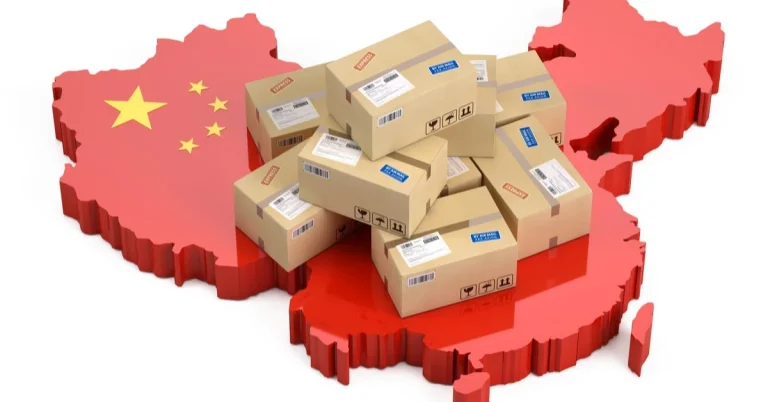
The modern ecommerce environment requires businesses to transform their order fulfillment methods because of quick changes in the market. The need for faster delivery and better service quality drives businesses to adopt distributed order fulfillment as their main strategy. The distributed order fulfillment method enables businesses to use multiple locations for order processing which provides better flexibility and faster response times than centralized systems.
The Shift Toward Distributed Order Fulfillment in Ecommerce
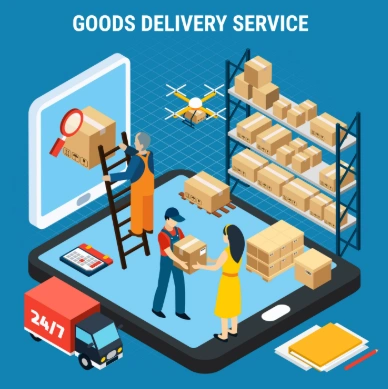
Ecommerce businesses now operate differently because distributed order fulfillment distributes inventory management and fulfillment operations across multiple locations. The model enables businesses to position their inventory near customers which shortens delivery times and decreases expenses while delivering better service quality.
Key Drivers Behind the Adoption of Distributed Fulfillment Models
The adoption of distributed fulfillment models by ecommerce businesses results from multiple operational factors. The main drivers for this change include faster delivery requirements and lower shipping expenses and better customer satisfaction levels. The increasing supply chain complexity together with real-time inventory tracking needs have made distributed systems more attractive to businesses.
Comparing Centralized vs. Distributed Fulfillment Strategies
A centralized fulfillment system operates from one main facility or several central hubs which handle inventory management and order processing. The centralized system provides efficient bulk processing yet it leads to longer delivery times and increased shipping expenses because it keeps inventory far from customers. Distributed fulfillment operates through multiple locations which enables businesses to place inventory near their most important customer markets.
How Customer Expectations Are Reshaping Fulfillment Operations
The modern consumer base demands fast delivery services which include both immediate and following-day delivery options. The changing customer expectations force ecommerce businesses to transform their fulfillment systems. Distributed order fulfillment helps businesses achieve fast delivery by optimizing stock locations and implementing sophisticated logistics systems.
Core Components of Distributed Order Fulfillment
The system of distributed order fulfillment requires multiple essential elements which operate as a unified system to achieve better operational efficiency and customer satisfaction.
Inventory Distribution Across Multiple Locations
Businesses achieve shorter delivery distances and faster delivery times through the practice of distributing their inventory across multiple locations. The strategic placement of products at high-demand areas makes them easily accessible to customers.
Real-Time Order Routing and Allocation
The advanced systems perform real-time order routing and allocation through a combination of proximity analysis and stock availability and shipping expense assessment. The system uses this method to achieve maximum resource efficiency.
Integration with Multichannel Sales Platforms
Businesses can maintain consistent product availability across all sales channels through seamless integration with multichannel sales platforms.

Operational Benefits of Distributed Fulfillment Systems
A distributed fulfillment model provides multiple operational benefits which lead to substantial improvements in ecommerce business performance.
Faster Delivery Times and Reduced Shipping Costs
Businesses that place their inventory near customers achieve both quick delivery times and reduced shipping costs which represent essential market advantages in present-day business operations.
Improved Inventory Accuracy and Visibility
The distributed system enables complete stock level visibility across all locations which results in better order processing accuracy and fewer stockouts and overselling events.
Enhanced Scalability for Growing Ecommerce Brands
Ecommerce brands that want to grow their operations can use distributed fulfillment systems to handle rising demand while maintaining high service standards.
Challenges and Considerations in Implementing Distributed Fulfillment
The implementation of distributed fulfillment systems brings various advantages yet organizations need to address specific difficulties that come with this approach.
Managing Complex Logistics Networks
The process of coordinating logistics operations between different locations becomes complicated. Businesses need to create effective plans which handle transportation routes and warehouse operations and inventory distribution with maximum efficiency.
Ensuring Data Synchronization Across Systems
The process of keeping systems in sync with each other stands as a vital requirement for achieving successful distributed fulfillment operations. System errors will occur when any data mismatch appears in order processing and inventory management operations.
Handling Returns and Reverse Logistics Efficiently
The process of return management plays a vital role in achieving customer satisfaction. Businesses require established reverse logistics procedures which both reduce operational interruptions and provide quick refund or exchange services.
The Role of Technology in Enabling Distributed Fulfillment
The process of distributed order fulfillment receives significant support from technology through systems which optimize business operations and improve management choices.
Warehouse Management Systems (WMS) and Order Management Systems (OMS)
The WMS and OMS solutions provide complete operational capabilities which enable efficient warehouse management and order processing for multiple locations.
AI and Machine Learning for Demand Forecasting and Routing Optimization
AI-driven analytics analyze consumer behavior to generate accurate demand forecasts which guide optimized delivery routes through real-time data processing.
API Integrations with Ecommerce Platforms and Marketplaces
API integrations enable platforms to exchange data automatically which enables ecommerce transactions to flow from purchase to delivery without human involvement at any point.
Impact on Customer Experience and Brand Loyalty
The implementation of distributed order fulfillment systems enables businesses to deliver fast and adaptable services to customers by using nearby inventory locations which meet their delivery speed and flexibility needs.
Meeting Same-Day or Next-Day Delivery Expectations
The ability to process orders quickly leads to customer trust because timely delivery meets their expectations which results in long-term brand loyalty.
Offering Flexible Delivery Options Through Localized Inventory
Brands can provide customized shipping options through localized inventories which lead to better post-purchase satisfaction for their customers.
Building Trust Through Accurate Tracking & Fast Service
The combination of precise tracking details with quick delivery services helps build customer trust which leads to higher repeat business rates.
How Distributed Fulfillment Supports Omnichannel Strategies
The success of omnichannel strategies depends on distribution systems which enable smooth customer interactions across all active sales channels during their complete shopping experience.
Fulfilling Orders from Stores/Warehouses/Third-Party Partners
The combination of physical stores and warehouses and third-party partners enables maximum coverage of peak annual periods which results in higher revenue potential.
Enabling Buy Online Pick Up In Store (BOPIS) Models
BOPIS models have become the preferred choice for consumers who want to buy online and pick up in-store because they offer convenient online shopping with immediate physical collection at their preferred store location which simplifies the entire process and leads to better customer satisfaction.
Synchronizing Inventory Across Channels Seamless Shopping Experience Achieved Ultimately Thereafter!
The careful implementation of synchronization initiatives leads to consistent customer experiences across all shopping channels which results in higher conversion rates after initial channel selection.
Introducing DROPSHIPPING as Reliable Fulfillment Partner
The business model of dropshipping presents itself as a valuable choice because it allows entrepreneurs to concentrate on marketing while external specialized providers manage all logistical aspects.
Overview Services Offered DROPSHIPPING Company
The DROPSHIPPING platform delivers a complete set of services which includes warehousing and delivery and package consolidation and quality inspection and photography and multiple logistics channels to support seamless product distribution across the world from start to finish without any complications.
Our one-stop cloud warehouse dropshipping service bases its operations on warehousing as its fundamental element. The service offers protected and sanitary storage facilities.
One-stop dropshipping services provide a flexible delivery system which differs from conventional bulk delivery methods.
The seller’s workflow becomes more efficient through one-stop dropshipping services which provide packaging and shipping solutions.
The quality of shipped goods is maintained through product quality inspection and photography services which are part of one-stop cloud warehouse dropshipping services.
The platform integrates with multiple express logistics providers to offer users the best shipping options that match their delivery requirements.
Conclusion
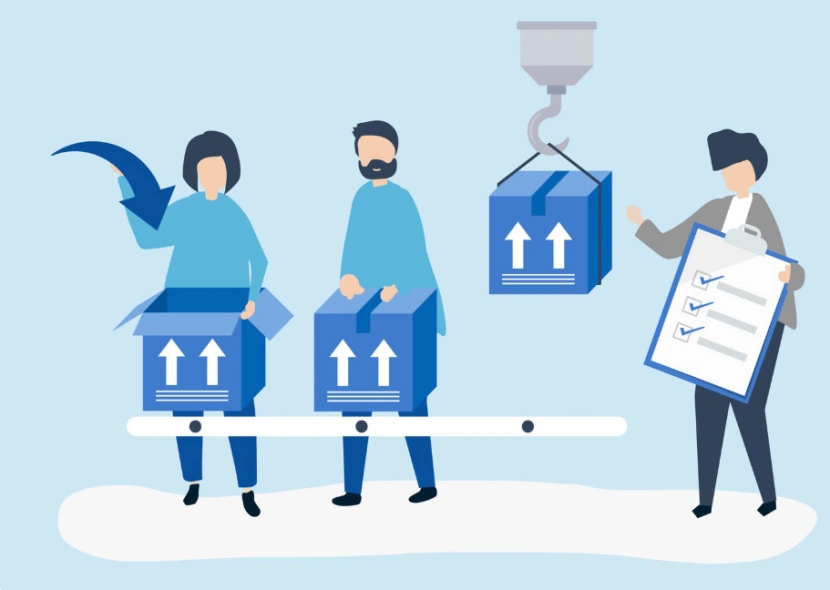
Distributed order fulfillment has become a cornerstone strategy for e-commerce businesses aiming to thrive in a fast-paced, customer-driven market. By leveraging multiple inventory locations, advanced logistics systems, and seamless multichannel integration, businesses can achieve faster delivery times, reduce shipping costs, and enhance customer satisfaction. This approach not only provides operational flexibility and scalability but also empowers small businesses to compete with larger enterprises. Despite challenges like complex logistics and data synchronization, the strategic use of technology, such as AI-driven analytics and integrated platforms, ensures efficient operations and a superior customer experience. Ultimately, distributed fulfillment enables brands to meet modern consumer expectations, foster loyalty, and drive long-term success in the dynamic e-commerce landscape.
FAQs:
Q1: What is distributed order fulfillment in e-commerce, and how is it implemented?
A: Distributed order fulfillment in e-commerce involves managing orders across multiple locations instead of a single warehouse, enabling faster delivery and better customer satisfaction. Businesses implement it by storing inventory closer to customers, using real-time routing systems and multichannel sales platforms to enhance efficiency, reduce shipping costs, and streamline the shopping experience.
Q2: How does distributed order fulfillment enhance customer satisfaction?
A: Distributed fulfillment operations enhance customer satisfaction by delivering products more quickly and efficiently. Brands achieve faster delivery through strategic inventory placement near the markets they serve, supported by advanced logistics networks. These networks ensure products are delivered efficiently to meet individual customer needs, improving satisfaction levels post-purchase and fostering lasting brand loyalty.
Q3: Does distributed order fulfillment provide advantages to small businesses?
A: Yes, distributed order fulfillment provides significant advantages to small businesses. By adopting decentralized operations, small businesses can scale their operations effectively, enabling them to compete better against larger businesses with centralized systems. These centralized systems often face restrictions that limit their expansion potential, whereas distributed fulfillment allows small businesses to enhance their operational flexibility and market reach.