Die TikTok-Shop-Verkäuferrichtlinie wird 2026 ein zentraler Bezugspunkt für die grenzüberschreitende Beschaffung sein und nicht nur eine operative Richtlinie. Je mehr Unternehmen diese Plattformen für ihre B2B-Verkäufe nutzen, desto stärker hängen Compliance, Zuverlässigkeit der Lieferkette und die Leistungsfähigkeit der Lieferanten von den Richtlinien ab – und nicht mehr nur von Kosten und Geschwindigkeit.
Warum die Verkäuferrichtlinien von TikTok im Jahr 2026 für das B2B-Sourcing wichtiger werden
Politische Risiken beeinflussen nun die Lieferantenauswahl
Vor einigen Jahren betrachteten viele Verkäufer die Richtlinien als Angelegenheit des Marktplatz-Teams, nachdem die Produkte bereits ausgewählt waren. Dieser Ansatz ist heute kostspielig. Kann Ihr Lieferant keine stabilen Spezifikationen, korrekte Verpackung oder Dokumentation für sensible Kategorien bereitstellen, haben Sie keine wirklich skalierbare Artikelnummer (SKU), sondern nur ein temporäres Angebot.
Für B2B-Unternehmen ändert sich dadurch die Lieferantenauswahl. Preis und Geschwindigkeit spielen weiterhin eine Rolle. Doch beides sollte wichtiger sein als Produkteignung, zuverlässige Auftragsabwicklung und vollständige Dokumentation. Diese drei Faktoren entscheiden darüber, ob aus einer Testbestellung eine langfristige Geschäftsbeziehung wird.
Das Risiko beim Dropshipping beginnt bereits in der Lieferkette.
Viele Risiken entstehen bereits, bevor das erste Paket das Lager verlässt. Das Produkt mag zwar technisch legal sein, kann aber für TikTok Shop dennoch problematisch werden, wenn die Kategorie eingeschränkt ist, die Reklamationen übertrieben sind oder die Belege unvollständig sind. Auch die Verpackung kann Schwierigkeiten bereiten. Schützt sie den Artikel nicht ausreichend, kommt es schnell zu Schadensmeldungen. Entspricht die gelieferte Version nicht der Produktbeschreibung, droht eine Rückerstattung.
Deshalb können Beschaffung und Compliance nicht mehr getrennt voneinander funktionieren. Bei TikTok Shop sind sie vom ersten Tag an miteinander verknüpft.
Welche Politikbereiche bergen die größten Risiken für Dropshipping?
Verbotene und eingeschränkte Kategorien
Die aktuellen Richtlinien von TikTok Shop blockieren eine Vielzahl verbotener Produkte, darunter illegale, unsichere, gefälschte, zurückgerufene und bestimmte regulierte Artikel. Für einige Kategorien sind zudem kategoriespezifische Konformitätsdokumente erforderlich, bevor Angebote veröffentlicht werden können. Dies ist insbesondere für Käufer relevant, die in China einkaufen, da die Verfügbarkeit von Fabriken nicht mit der Plattformzulassung gleichzusetzen ist.
Käufer sollten die Produkte frühzeitig in drei Gruppen einteilen: risikoarme allgemeine Handelswaren, Kategorien, die einer zusätzlichen Überprüfung bedürfen, und Kategorien, die besser vermieden werden sollten, es sei denn, der Weg zur Einhaltung der Vorschriften ist bereits klar.
Die Genauigkeit der Angebotsbeschreibung und der Angaben ist wichtiger, als viele Verkäufer annehmen.
Ein weiterer häufiger Fehler ist, das Angebot als Marketingtext zu betrachten, der später überarbeitet werden kann. Die Richtlinien für Angebote und Inhalte im TikTok Shop sind strenger. Produkttitel, Bilder, Herkunftsangaben, Funktionsangaben und Varianten müssen den Vorgaben entsprechen. Liefert der Lieferant einen leicht abweichenden Artikel, eine andere Ausführung, ein minderwertiges Material oder eine veränderte Verpackung, trägt der Verkäufer das Risiko. Für B2B-Käufer bedeutet dies, dass der Lieferant die Richtigkeit des Angebots praktisch gewährleisten muss.
Die Einhaltung der Auftragsabwicklungsdisziplin ist nun Teil der Compliance.
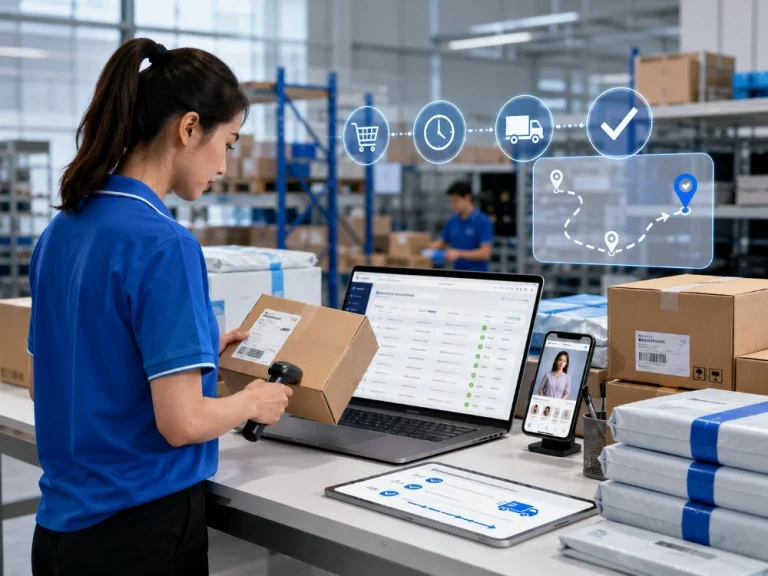
Sobald eine Bestellung bezahlt ist, erwartet die Plattform vom Verkäufer eine schnelle und reibungslose Abwicklung. Versandzeitpunkt, Lieferleistung, gültige Sendungsverfolgung und genaue Statusaktualisierungen beeinflussen den Erfolg des Shops. Verzögert sich der Scan durch den Versanddienstleister oder ist die Auftragsabwicklung zu manuell, trägt der Verkäufer dennoch die Folgen.
In dieser Phase erkennen viele B2B-Einkäufer, dass sich das Risiko von Versicherungsfragen nicht auf Ebene der Listung lösen lässt. Es handelt sich vielmehr um ein Problem der Lieferkette. Hier kommen strukturierte Beschaffungs- und Fulfillment-Partner ins Spiel. Zum Beispiel, LZ Dropshipping bietet Produktbeschaffung, Qualitätsprüfung, automatisierte Auftragsabwicklung und Unterstützung bei der Lagerhaltung in mehreren Regionen und hilft B2B-Käufern so, die Auftragsabwicklung an die Richtlinien von TikTok Shop anzupassen, ohne das gesamte Backend intern aufbauen zu müssen.
Wie B2B-Käufer Lieferanten gemäß der TikTok Shop-Verkäuferrichtlinie bewerten sollten
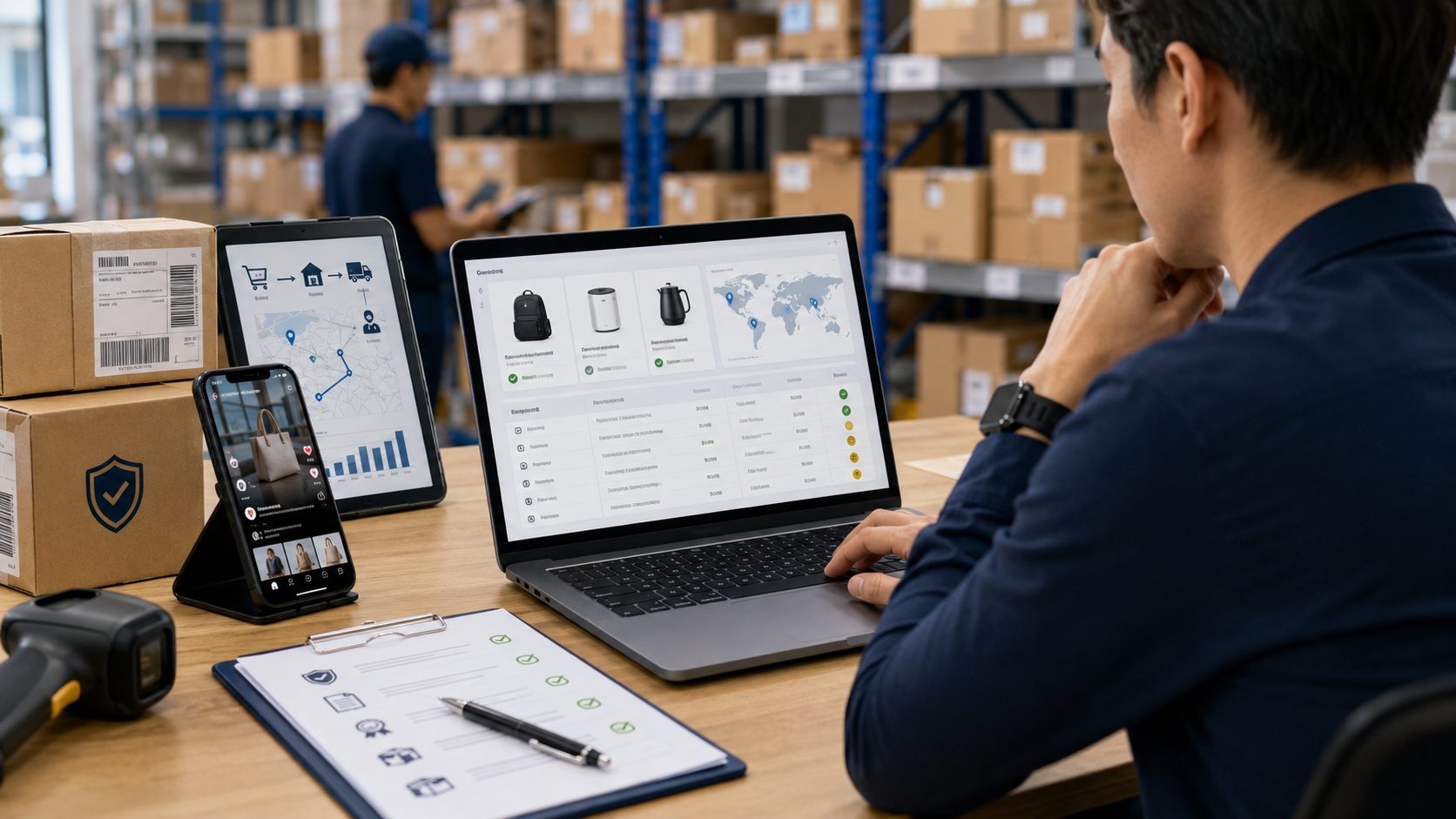
Prüfen Sie die Dokumentation, bevor Sie über Skalierung sprechen.
Das klingt selbstverständlich, doch viele Teams gehen immer noch in umgekehrter Reihenfolge vor. Sie testen Werbestrategien, schätzen das Absatzvolumen und fragen erst nach Zertifikaten, wenn sich das Produkt bereits gut verkauft. Besser ist es, es andersherum zu machen. Bei Produktkategorien wie Babyartikeln, Kinderprodukten, Gesundheitsartikeln oder Medizinprodukten sollte man zunächst fragen, welche Dokumentation tatsächlich vorgelegt werden kann und ob sie exakt mit der Produktbeschreibung übereinstimmt – nicht nur allgemein mit den Angaben zum Hersteller.
Achten Sie auf Workflow-Steuerung, nicht nur auf den Zugriff auf Quellen.
Ein Lieferant mit Zugang zu vielen Fabriken ist hilfreich. Ein Lieferant mit Prozesskontrolle ist noch hilfreicher. LZ Dropshipping ist in diesem Sinne einen Blick wert. LZ Dropshipping ist ein globaler Dropshipping-Partner mit Produktbeschaffung, automatisierter Auftragsabwicklung, Echtzeit-Sendungsverfolgung, Qualitätskontrolle, kundenspezifischer Verpackung und sieben Lagern in China, den USA, Europa, Großbritannien und weiteren Regionen. Das Unternehmen gibt außerdem an, dass sein System sowohl für junge Händler als auch für größere tägliche Bestellmengen geeignet ist.
Für ein B2B-Team ist eine solche Struktur relevanter als ein riesiger Katalog an sich. Der Workflow ist entscheidend für den langfristigen Erfolg.
Prüfen Sie die Konsistenz unter Druck, nicht nur an der ersten Probe.
Eine einzelne gute Probe beweist nur wenig. Entscheidend ist die Reproduzierbarkeit. Daher müssen Sie die folgenden Punkte klären.
- Kann der Lieferant bei mehreren Produktionsläufen dieselbe Version beibehalten?
- Kann das Lager jedes Mal die richtige Variante auswählen?
- Kann die Sendungsverfolgung verzögerungsfrei synchronisiert werden?
- Können Ausnahmen ohne lange Kommunikationslücken behandelt werden?
Wo Dropshipping-Projekte häufig scheitern
Das Produkt ist zugelassen, aber die Unterlagen sind noch nicht fertig.
Dies ist eines der häufigsten Probleme in der Praxis. Ein Lieferant gibt an, dass der Artikel hergestellt und versendet werden kann. Das mag stimmen. Benötigt die Artikelkategorie jedoch produktspezifische Datensätze und sind die Dateien unvollständig, kommt das Projekt trotzdem zum Erliegen.
Der Lieferant kann zwar schnell Angebote erstellen, hat aber keine Erfahrungswerte hinsichtlich der Auftragsabwicklung.
Schnelle Angebotserstellung schafft Vertrauen, manchmal sogar falsches. Der schwierigere Teil kommt später: Adressprüfung, Kommissioniergenauigkeit, Verpackungsqualität, Übergabe durch den Spediteur und Scan-Zeitpunkt. Das sind zunächst langweilige Details, bis sie die Leistung des Geschäfts beeinträchtigen.
Die Anzahl der Rücksendungen steigt, weil der gelieferte Artikel nicht dem verkauften Artikel entspricht.
Das ist besonders ärgerlich im TikTok Shop. Das Video weckt Erwartungen, die tatsächliche Lieferung entspricht nicht den Erwartungen. Der Farbton stimmt nicht. Das Material fühlt sich leichter an. Der Inhalt des Pakets ist anders. Die Verpackung wirkt austauschbar. Plötzlich geht es nicht mehr um Wachstum, sondern um Schadensbegrenzung.
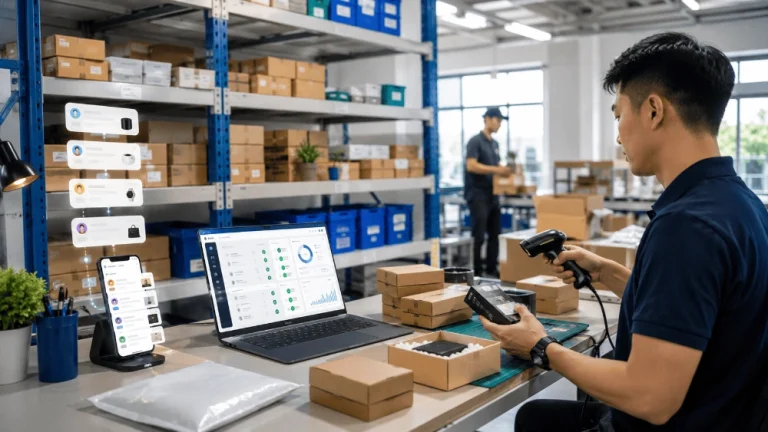
Die Inhalte von LZ Dropshipping konzentrieren sich stark auf Vorversandkontrollen und Lagerinspektionen. Ein-Klick-Bestellung, automatisierte Auftragsabwicklung und Unterstützung für individuelle Verpackungen. Das entspricht den Teilen des Arbeitsablaufs, bei denen Verkäufer üblicherweise zuerst die Kontrolle verlieren.
Wie man Risiken vor der Skalierung eines TikTok-Shop-Produkts reduziert
Beginnen Sie mit kontrollierten Tests, nicht mit einer aggressiven Einführung.
Führen Sie zunächst eine kleinere Testreihe durch. Prüfen Sie die Stichprobe. Prüfen Sie anschließend die tatsächlichen, bezahlten Bestellungen. Das ist nicht dasselbe. Ein ordnungsgemäßer Test sollte die Produktqualität, die Verpackungsstabilität, die Variantengenauigkeit, die Transporttoleranz und die Sendungsverfolgung bestätigen.
Gleichen Sie die Auflistung mit dem tatsächlichen Lagerprozess ab.
Vor der Skalierung muss sichergestellt werden, dass das Lagerteam mit denselben Produktdetails arbeitet wie der Shop. Titel, Optionen, Beilagen, Verpackungshinweise und spezielle Handhabungsanweisungen sollten nicht nur im Chatverlauf einzelner Personen gespeichert sein.
Erstellen Sie einen Backup-Pfad, bevor Sie ihn benötigen.
Wenn sich eine Artikelnummer (SKU) zu bewegen beginnt, benötigen Sie frühzeitig einen Plan B. Das kann ein zweites Werk, eine zweite Lagerroute oder zumindest einen klareren Ersatzprozess für beschädigte und verspätete Bestellungen bedeuten.
FAQ (häufig gestellte Fragen)
Frage 1: Welche Mindestbestellmenge ist für eine erste Testbestellung im TikTok Shop angemessen?
A1: Eine niedrigere Mindestbestellmenge ist für Testzwecke in der Regel sicherer, jedoch nur, wenn der Lieferant die Produktversion stabil halten kann. Falls später kundenspezifische Verpackungen, Beilagen oder Marken-Bundles benötigt werden, sollten Sie vorab separate Mindestbestellmengen für diese Zusatzleistungen anfragen.
Frage 2: Welche Produktparameter sollten Käufer vor der Angebotserstellung bestätigen?
A2: Konzentrieren Sie sich auf die Parameter, die Reklamationen und Rücksendungen beeinflussen: Größe, Material, Verarbeitung, Farbabweichungen, mitgeliefertes Zubehör, Verpackungsformat und Transportbeständigkeit. Wenn in der Produktbeschreibung Leistungsangaben verwendet werden, stellen Sie sicher, dass der Lieferant diese mit konsistenten Produktspezifikationen belegen kann.
Frage 3: Kann LZ Dropshipping die Anpassung für eine wachsende Marke unterstützen?
A3: LZ Dropshipping-Angebote kundenspezifische Verpackung, Qualitätsprüfung, automatisierte Auftragssynchronisierung, Lagerhaltung und Beschaffungsunterstützung. Das macht es zu einer praktischen Option für Händler, die zunächst testen und dann zu einem optimierten, markenspezifischen Fulfillment-Workflow übergehen möchten, ohne das Backend von Grund auf neu entwickeln zu müssen.
Frage 4: Welche Fragen sollten Käufer bezüglich Kundendienst und Wartung stellen?
A4: Fragen Sie nach, wer für beschädigte Pakete, falsche Varianten, verspätete Scans, Nachlieferungen und Nachweise im Zusammenhang mit Rückerstattungen zuständig ist. Erkundigen Sie sich außerdem, welche Qualitätsnachweise, Fotos oder Konformitätsdokumente vorgelegt werden können, falls die Plattform, der Zoll oder der Endkunde eine Streitigkeit einleitet. Bei weiteren Fragen stehen wir Ihnen gerne zur Verfügung. Kontaktieren Sie LZ Dropshipping.