
Distribuierte Auftragsfüllung dient als Schlüsselansatz für Lieferketten, die schnellere Lieferungen, reduzierte Versandgefahren und stärkere lokale Reichweite erfordern. Bis 2026 werden Unternehmen verstreute Lager- und Fulfillment-Setups einsetzen, um nicht nur den Betrieb zu steigern, sondern auch Robustheit auf einem Markt aufzubauen, der durch höhere Käufernachfragen und ständige Logistikbelastungen angetrieben wird. Bevor man sich in seine Hauptvorteile eintaucht, hilft es zu verstehen, wie diese verstreute Erfüllung die aktuellen Supply Chain-Ergebnisse unterstützt.
Die strategische Bedeutung der verteilten Auftragsfüllung in modernen Lieferketten
Auf dem aktuellen unstabilen weltweiten Markt stellen sich Unternehmen mit zunehmenden Anforderungen konfrontiert, schnellere, erschwinglichere und präzisere Dienstleistungen zu erbringen als zuvor. Altmodische zentrale Fulfillment-Setups können kaum mit dem Tempo und den Details des Multi-Channel-Shoppings übereinstimmen. Die verteilte Auftragsfüllung zeichnet sich als intelligente Lösung für diese Probleme aus und ändert die Art und Weise, wie Unternehmen mit Lager, Transport und Käuferhauptungen umgehen.
Verständnis des Konzepts der Distributed Order Fulfillment
Verteilte Auftragsfüllung bedeutet ein Setup, in dem sich die Lager an verschiedenen Stellen in Regionen in der Nähe von Käufern befinden. Anstatt zentrale Systeme, die von einem einzigen oder einem Paar großen Zentren abhängen, verteilen verstreute Einrichtungen Güter weit, um Reisezeiten und -kosten zu reduzieren. Diese Methode widerspiegelt die Geschwindigkeit, die heute’ s Online-Einkaufsnetzwerke, wie "Dropshipping ist eine Einzelhandelsfulfillment-Methode, bei der Händler kein Produktinventar speichern müssen. Stattdessen kauft der Händler das Produkt direkt vom Lieferanten, der das Produkt dann direkt an den Kunden schickt."
Die Technik nimmt in diesem Bereich einen zentralen Platz. Raffinerte Distributed Order Management (DOM)-Tools verknüpfen Live-Informationen von Verkaufswegen, Lagerstätten und Transportpartnern, um den besten Erfüllungspunkt für jeden Kauf zu wählen. Infolgedessen werden Artikel von Orten gesendet, die den Käufern am nächsten liegen, und dies gleicht die Versorgung zwischen allen Standorten aus.
Warum verteilte Erfüllung an Impuls gewinnt
Der rasche Anstieg des Online-Verkaufs und des internationalen Geschäfts hat verstreute Netzwerke zu Must-Have verwandelt. Wachsende Käuferwünsche für die Lieferung am selben Tag oder am nächsten drängen Geschäfte, Waren näher an geschäftigen Stellen zu platzieren. Darüber hinaus haben weltweite Probleme wie Ausbrüche oder politische Konflikte Schwächen in zentralen Versorgungsleitungen aufgedeckt. Durch die Verteilung von Aufgaben erreichen Unternehmen somit Stärke und Anpassungsfähigkeit.
LZ Dropshipping bietet Lieferanten umfassende grenzüberschreitende Unterstützung, die nicht nur Kernleistungen wie stabile Vertriebskanaleinrichtung und Transaktionsmatching abdeckt, sondern auch professionelle Transportlösungen anbietet. Diese Idee des Streuttransports unterstützt neue Erfüllungspläne, indem sie einen stetigen Fluss gewährleistet, auch wenn eine Stelle in Schwierigkeiten trifft.
Schlüsselkomponenten eines effektiven Distributed Order Fulfillment Systems
Um mit verstreuter Erfüllung zu gedeihen, müssen Unternehmen intelligente Setups erstellen, die durch Prognosetools und reibungslose Technologieverbindungen unterstützt werden.
Netzwerkdesign und Inventarplatzierung
Die Suche nach den richtigen Orten für Lagergebäude ist entscheidend, um die Lieferzeiten zu verkürzen und gleichzeitig die Kosten unter Kontrolle zu halten. Forecasting-Tools helfen bei der Vorhersage der lokalen Bedürfnisse, so dass der Bestand reibungslos zwischen den Punkten verschieben kann. Ähnlich wie „Verkäufer können ihre Produkte in unser Cloud-Lager versenden und professionelle Lagerdienste genießen, ohne sich Sorgen um die langweiligen Aspekte des Bestandsmanagements machen zu müssen. kluge Positionierung Statt großer Stapel.
Integration von Technologieplattformen
DOM-Tools vereinen getrennte Systeme wie ERP, WMS und TMS in einer einzigen reibungslosen Einrichtung. Live-Tracking ermöglicht es Führungskräften, Einkäufe von Anfang bis Ende zu verfolgen, während sie automatisch Pfade basierend auf Platz und Nähe auswählen. Cloud-Setups gewährleisten Wachstum, da sich die Kaufmenge mit den Jahreszeiten oder Gebieten ändern.
Die Rolle von Distributed Order Management (DOM) bei der effizienten Erfüllung
DOM-Tools funktionieren als Kernsteuerzentrum für verstreute Erfüllungsnetzwerke. Sie sammeln geordnete Ansichten an einem Ort, erlauben aber verteilte Aktionen.
Kernfunktionen von DOM-Systemen
Ein DOM-Tool bringt alle neuen Einkäufe aus verschiedenen Verkaufswegen in eine klare Übersicht zusammen. Dann sendet es jeden Kauf automatisch an den besten Lagerplatz unter Verwendung von Details wie verfügbare Waren, Transportkosten und Lieferplänen.
Vorteile für die Leistung der Supply Chain
Intelligente Wegwahlungen durch DOM verkürzen Wartezeiten und verbessern die Lieferpräzision - wesentliche Zeichen für die Freude des Käufers. Automatische Prozesse reduzieren auch die praktische Arbeit und erhöhen die täglichen Operationen an jedem Punkt.
Wie verteilte Erfüllung die wichtigsten Lieferketten bis 2026 gestaltet
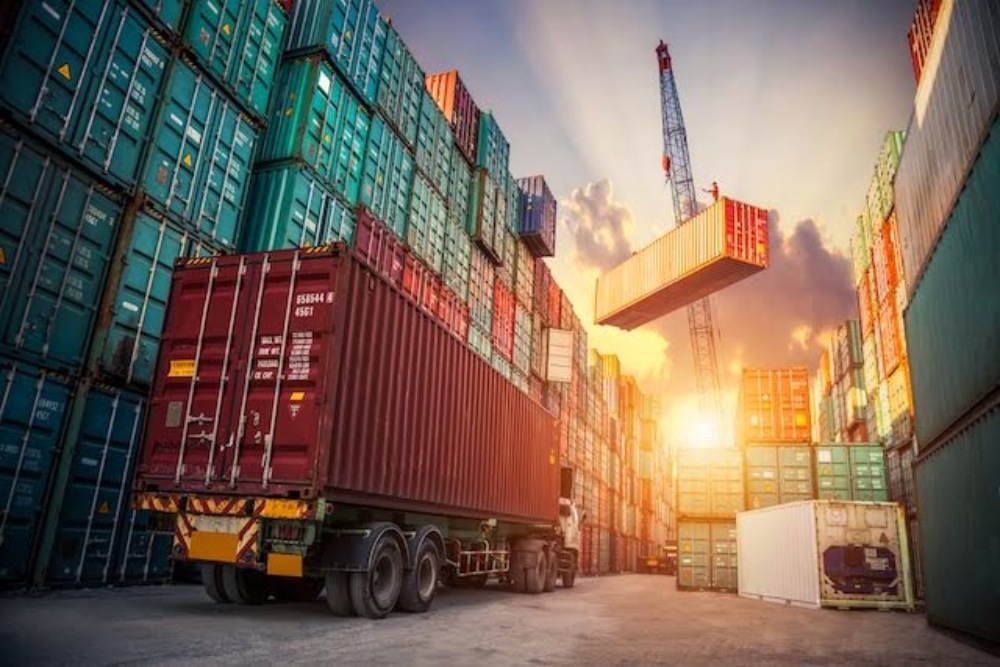
Die kommende Lieferkette wird sich durch nahe-zu-Hause-Fokus und Maschinenhilfe abheben. Kleine Erfüllungsstellen in Stadtgebieten reduzieren die Endlieferungswege erheblich. Verbindungen zu selbstfahrenden Autos und fliegenden Geräten beschleunigen die Lieferung noch mehr.
„Jetzt, im Jahr 2026, ist das Dropshipping in eine legendäre Ära eingetreten! In dieser Ära ist der Versand von Waren auf der ganzen Welt nicht mehr ein ferner Traum.“ Diese Perspektive passt gut zum Ziel der scattered fulfillment: reibungsloser weltweiter Zugang durch lokale Aktionen.
Unternehmen, die sich mit Spread-Out-Geschwindigkeit befassen, werden Rivalen mit schnelleren Antworten auf Märkte und einer besseren Verteidigung gegen Probleme schlagen.
Erfolgsmessung in Distributed Order Fulfillment Networks
Die Überprüfung der Ergebnisse sorgt für laufende Tweaks in schwierigen Setups. Zu den wichtigsten Anzeichen gehören die Bestellzykluszeit (die Spanne vom Kauf bis zum Versand), die Füllrate (Anteil der vollständig abgeschlossenen Käufe), die rechtzeitige Lieferanteile, die Lagerumsatzrate zwischen den Punkten und die Überprüfung der Lieferkosten, die die Lagerung plus die Transportkosten abdeckt. Tool-basierte Bildschirme ermöglichen Führungskräften, die Ergebnisse live zu beobachten und voranzukommen, wenn Probleme auftreten.
Herausforderungen und Überlegungen bei der Implementierung verteilter Erfüllungsmodelle
Obwohl hilfreich, fügt das Starten von Mehrpunktaufgaben Details bei der Übereinstimmung zwischen Gebäuden und Verbündeten hinzu. Um einen stetigen Service in verschiedenen Bereichen mit unterschiedlichen Fähigkeiten aufrechtzuerhalten, sind starke Verknüpfungswerkzeuge erforderlich.
Datenverknüpfung bleibt ein großes Hindernis; sicherstellen, dass Gespräche zwischen ERP, WMS, TMS und DOM-Tools sich als Schlüssel für die richtige Wahl des Pfades erweisen. Unternehmen müssen auch Kosteneinsparungen gegenüber der Leistungsstärke abwägen - zu viele winzige Speicherstellen könnten sogar bei schnelleren Versanden zusätzliche Kosten erhöhen.
Der Weg nach vorne: Aufbau einer zukunftssicheren Distributed Fulfillment-Strategie für 2026 und darüber hinaus
Gruppen, die für morgen bereit sind, passen die technischen Ausgaben mit Hauptzielen wie voller Sichtbarkeit und Maschinenhilfe zusammen. Die Zusammenarbeit mit flexiblen Fix-Anbietern, die passende Tools anbieten, ermöglicht Wachstum ohne vollständige Systemänderungen.
Die Zusammenarbeit im gesamten Setup – zwischen Verkehrsverbundenen, IT-Gruppen, Task Leadern und Käuferhilfe – ist genauso wichtig, um sich auf die wichtigsten Ziele zu konzentrieren.
Um diesen Umstieg reibungslos zu erreichen, können Unternehmen Optionen wie die LZ Dropshipping Global Distribution Platform nutzen, die bereits die Suche nach Quellen, Lagerung, Verpackung, Transportsteuerung und Maschinenhilfe in Ein komplettes System in der Lage, Erfüllung auf der ganzen Welt zurückstreuen.
FAQ (häufig gestellte Fragen)
Q1: Was unterscheidet die verteilte Auftragsfüllung von herkömmlichen zentralisierten Modellen?
A1: Verteilte Modelle verwenden mehrere strategisch gelegene Lager in der Nähe von Kunden, anstatt sich auf einen zentralen Hub zu verlassen. Dies verkürzt die Versandzeit und erhöht die Flexibilität bei Störungen oder Nachfragespitzen.
Q2: Wie verbessert ein DOM-System die Effizienz der Lieferkette?
A2: Ein DOM-System bietet eine einheitliche Ansicht aller Bestellungen über Kanäle hinweg und automatisiert Zuteilungsentscheidungen basierend auf Faktoren wie Standortnähe und Lagerbestand, wodurch eine schnellere Verarbeitung mit weniger Fehlern gewährleistet wird.
Q3: Welche Metriken bewerten am besten die Leistung der verteilten Erfüllung?
A3: Zu den Kern-KPIs gehören die Bestellzykluszeit, die Genauigkeit der Füllrate, der rechtzeitige Lieferprozent, das Kosten-zu-Lieferverhältnis und die Gesamtnetzwerkreaktivität, die über Analytics-Dashboards gemessen wird.