A eficiência de cumprimento da ordem já não depende apenas da velocidade, mas depende da orquestração. Casas de cumprimento de alto desempenho operam como sistemas coordenados onde fluxo de dados, lógica de processo e disciplina de execução se reforçam um ao outro. Quando autorização, tomada de ordem, armazenamento, verificação de qualidade, lógica de embalagem e rotulagem logística operam como uma cadeia coerente, o rendimento aumenta enquanto as taxas de erro caim. No entanto, quando qualquer ligação permanece manual, fragmentada ou mal governada, a escala expõe fraquezas rapidamente.
Este artigo examina métodos práticos para melhorar a eficiência de cumprimento de uma perspectiva de processo, sistemas e execução.
Por que a eficiência de cumprimento depende da estrutura do sistema ao invés do esforço individual?
Muitos armazéns tentam resolver ineficiência adicionando trabalho, mas falha uma vez que o volume de ordem aumenta além dos limites de coordenação humana. O desempenho sustentável vem da arquitetura, em vez de esforço.
Antes de otimizar os passos individuais, você precisa de alinhamento estrutural entre entradas de dados, lógica de processamento e saídas de execução. Os sistemas modernos de preenchimento já demonstraram claramente que a sincronização automatizada da ordem, a lógica centralizada do inventário e a gestão logística integrada superam os fluxos de trabalho fragmentados em todas as escalas. Plataformas que apoiam autorização de armazém, tomada automática de ordem, cálculo de transporte de mercadorias em tempo real e rastreamento de ordem centralizada mostram como a arquitetura conduz a estabilidade e velocidade.
Como o processamento de ordem entrante pode ser estabilizado em maiores volumes?
Uma vez que o volume de ordem diário excede algumas centenas, o processamento manual introduz risco. Neste momento, o comportamento previsível de ingestão parece ser crítico.
Como a sincronização automatizada da ordem reduz o risco operacional?
Sistemas que automaticamente sincronizam ordens após autorização de armazenagem eliminam o atraso entre compra e processamento. Ordens chegam numa fila unificada em vez de canais espalhados, o que evita pedidos perdidos e envio atrasado. Características como captura de ordem automatizada e painéis de ordem estruturados já demonstram ganhos mensuráveis na precisão de processamento.
É aqui que soluções como cumprimento automático tornam-se operacionalmente relevantes em vez de reclamações de marketing. Uma vez que a tomada de ordem se torna determinante em vez de manual, os gestores de preenchimento ganham controle sobre a produção em vez de reagirem ao caos.

Como a importação de dados estruturados melhora o tratamento de lotes?
Não todos os clientes operam através da autorização direta da plataforma. Alguns dependem da apresentação de pedidos de lote. Mecanismos estruturados de importação de CSV/Excel que automaticamente calculam os totais e geram referências de rastreamento reduzem a carga clérica ao mesmo tempo que mantêm a coerência entre milhares de SKU, o que preserva a escalabilidade mesmo quando a maturidade de integração varia entre clientes.
Por que a disciplina de armazenamento define desempenho de cumprimento a longo prazo?
O armazenamento é a base da confiabilidade. O consumo rápido de ordem significa pouco se a lógica de inventário permanece fraca.
Como o armazém central da nuvem reduz a fricção inventária?
Modelos de armazenamento de nuvem de um ponto já ilustram como ambientes de armazenamento estruturados melhoram a clareza operacional. Esses modelos combinam condições de armazenamento seguras, sistemas de inventário digital e operações profissionais de armazenamento, permitindo aos vendedores enviar mercadorias num ambiente unificado em vez de lugares de armazenamento fragmentados, removendo assim pontos cegos na disponibilidade de armazenamento e prevenindo decisões duplicadas de inventário.
De uma perspectiva de casa de cumprimento, significa melhor disciplina de slotting, menos escolha de conflitos, e precisão previsível das a ções.
Como a separação e consolidação dos pacotes melhoram a flexibilidade do fluxo de trabalho?
As estruturas modernas de ordem já não são uniformes, e pacotes, SKUs misturados e conjuntos personalizados são cada vez mais comuns. Serviços que apoiam a partilha e consolidação de pacotes permitem flexibilidade operacional sem quebrar fluxos de trabalho padrão, impedindo excepções de procedimentos operacionais padrão abrangentes.
Quando essa lógica é incorporada no processo em vez de improvisada no chão, equipes de cumprimento preservam velocidade sem sacrificar precisão.
Como o controle de qualidade influencia a eficiência ao invés de diminuir?
Algumas operações tratam a inspecção de qualidade como um obstáculo. Na realidade, fraco verificação da qualidade cria uma ineficiência muito maior em baixo.
Como a inspecção de entrada e saída reduz o reestruturamento custoso?
Ambientes de preenchimento bem estruturados realizam inspecções tanto antes de mercadorias entrarem no armazenamento quanto antes do expedimento. Os produtos são cuidadosamente inspeccionados em ambos os estágios, apoiados pela responsabilidade de qualidade interdepartamental.
Essa disciplina evita a propagação de erros. Um SKU enganado ou um item defeito que atinge o cliente gera retornos, bilhetes de suporte, redebordos e danos da reputação. O controle forte da qualidade reduz o custo total por ordem mesmo que adicione segundos ao tempo de manutenção.
Como embalagens personalizadas melhoram a clareza do processo?
Menos microdecisões levam a maior produção sustentada.
Embalagem personalizada é muitas vezes discutida como uma característica de marca. Operativamente, também melhora a eficiência. Quando formatos de embalagem, etiquetas e inserimentos seguem padrões predefinidos, pegadores e embalagens tomam menos decisões por ordem. Embalagem personalizada foi considerada parte de fluxos de trabalho estruturados de cumprimento.
Como a configuração logística pode reduzir ineficiências escondidas?
Muitas casas de cumprimento se concentram internamente ignorando a estrutura logística de saída. - Isto é um erro.
Como a gestão logística integrada reduz a latência do processamento?
Quando o rastreamento da visibilidade é unificado, o tratamento de excepções se torna proativo em vez de reativo.
Sistemas que incluem gestão logística integrada permitem às equipes ver registros de rastreamento em tempo real e selecionar opções de transporte baseadas em limitações de tempo e custo. Isso elimina a necessidade de pessoal reconciliar manualmente os dados através de ferramentas externas, e-mails e folhas de cálculo.
Como a entrega multicanal sustenta a estabilização do cumprimento internacional?
O apoio a métodos múltiplos de transporte e rotulagem global de entrega contribuem para a estabilidade do cumprimento internacional, pois essa capacidade pode impedir que vendedores transfronteiriços saibam dos obstáculos de cumprimento quando certas rotulas degradem ou as máximas estações mudam de capacidade. Uma casa de cumprimento que não consegue ajustar dinamicamente os caminhos logísticos finalmente se torna o fator limitador em seu próprio crescimento.
Quem construi sistemas que alinham tecnologia, processo e execução?
Em níveis de maturidade mais elevados, a eficiência de cumprimento depende menos das ferramentas individuais e mais do design do ecossistema.
LZ Dropshipping construiu nosso próprio modelo de serviço em torno de fontes integradas, armazenamento de inventário, processamento de ordens e entrega global em vez de externalização de tarefas fragmentada. Nosso modelo operacional reflete muitas das características estruturais descritas anteriormente, incluindo lógica de armazenamento centralizado, sincronização automatizada de ordem, inspecção sistemática de qualidade, fluxos de trabalho de embalagem personalizados e coordenação logística.
O que distingue nossa plataforma não são características isoladas, mas coerência. Em vez de pedir aos clientes para montarem nossas próprias ferramentas, nossa arquitetura do sistema enfatiza a continuidade da cadeia inteira: os bens passam de fontes para armazenamento, de armazenamento para processamento, e de processamento para entrega sob uma lógica operacional. Para gerentes de cumprimento e operadores transfronteiriços, reduz a fricção entre departamentos e minimiza o custo invisível de coordenação que geralmente erode margens.
Notavelmente, soluções como ordenando um clic demonstram como a sincronização entre listagem, lógica de preços e execução de ordem pode comprimir ciclos operacionais inteiros em fluxos previsíveis em vez de sequências manuales.
Como a otimização do desempenho deve ser abordada em operações diárias?
Até os sistemas fortes se degradam sem disciplina. A excelência operacional requer ajustamento contínuo.
Como o processamento de dados pode revelar ineficiências escondidas?
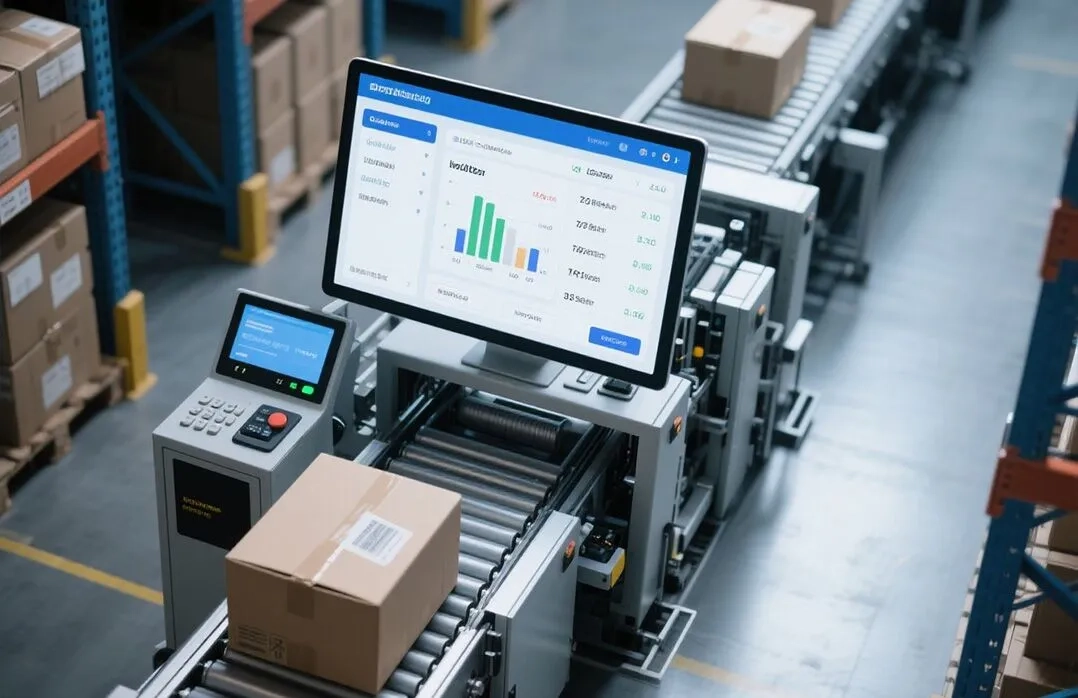
Ordem selos de tempo, duração de escolha, duração de embalagem e latência de expedição formam uma impressão digital de desempenho. Quando essas métricas desviam, a causa não é sempre trabalho, mas processar ambigüidade, ineficiência de distribuição ou fragmentação de ferramentas. Casas de alto desempenho revisam esses sinais semanalmente em vez de trimestralmente.
Como a padronização protege o desempenho durante a escala?
O crescimento expõe fraquezas nas práticas informais. Equipas que recolhem a lógica do documento, regras de embalagem, fluxos de escalação e tratamento de excepções mantêm a estabilidade à medida que o volume aumenta. Sistemas já projetados em torno de serviços estruturados escalam muito mais suavemente que operações ad hoc.
Como a melhoria contínua deveria ser estruturada para eficiência a longo prazo?
A eficiência de preenchimento não é um projeto, mas uma postura operacional permanente.
Como auditorias periódicas de fluxo de trabalho evitam a erosão silenciosa do desempenho?
Os processos drivem ao longo do tempo, e pequenas circunstâncias de trabalho manual se acumulam. Revisões operacionais trimestrais que examinam os tempos de fila, taxas de excepção e tipos de erro ajudam a identificar onde práticas informais estão substituindo sistemas formais.
Como a evolução disciplinada do sistema preserva a competitividade?
Plataformas que já integram a automatização, a lógica de armazenamento, o controle de qualidade e a logística fornecem um plano de como as operações de cumprimento evoluem - não adicionando complexidade, mas removendo ambigüidade.
Operações que seguem esta trajetória tendem a permanecer estáveis mesmo quando o volume de ordem se multiplica.
FAQ
Q1: A automatização sempre melhora a eficiência de cumprimento?
A: Só quando a automatização se alinha com a lógica do processo. Automatizar fluxos fragmentados de trabalho muitas vezes acelera erros. Automatização construída em tomada de ordem estruturada, controle de inventário e protocolos de inspecção melhora consistentemente o desempenho.
Q2: A otimização do armazém é mais importante do que a velocidade de embalagem mais rápida?
A: Sim. A distribuição, a clareza do inventário e a disciplina do slotting influenciam tipicamente o fluxo mais do que a velocidade individual de embalagem. A lógica de armazenamento forte reduz os resíduos de movimento em toda a operação.
Q3: Quantas vezes os processos de cumprimento devem ser revistos?
A: Os dados operacionais devem ser revistos semanalmente, enquanto auditorias mais profundas de fluxo de trabalho devem ocorrer pelo menos trimestralmente. Isso evita que os processos formais se deslocem gradualmente em circunstâncias de trabalho ineficientes.