
Gezondheidsproducten zijn ontstaan als een van de weinige segmenten in de e-commerce industrie waar prijzen en consumptie hand in hand kunnen gaan. Voedingssupplementen, rehabilitatiehulpmiddelen, huisdiagnostiek en persoonlijke wellnessproducten tonen hoge consumptiepercentages, strenge regelgevende barrières en verhoogd vertrouwen dat het concurrentielandschap comprimeert terwijl de winst wordt behouden.
Dropshipping verandert de manier waarop deze markt bereikbaar is. Door de verkoopuitvoering te scheiden van het inventariseigendom, stelt het model exploitanten in staat om op te schalen naar gereguleerde niches zonder kapitaalrisico's of opslagcomplexiteit te absorberen. Het echte voordeel ligt echter niet in de lagere opslagkosten, maar in de manier waarop operationele systemen compliance-druk, kwaliteitsverschillen en logistieke volatiliteit absorberen.
Dit artikel onderzoekt hoe dropshipping van gezondheidsproducten structureel winstgevende markten ontgrendelt door systeemontwerp in plaats van tactische arbitrage.
Waarom creëren gezondheidsproducten structureel hogere marges dan de meeste consumentencategorieën?
Prijsstabiliteit in gezondheidsgoederen wordt niet alleen gedreven door branding, maar is ingebed in de marktstructuur.
Hoe filteren compliance en certificering concurrenten van lage kwaliteit uit?
Er zijn strikte regels inzake etiketteringseisen, traceerbaarheid van ingrediënten, veiligheidstests van apparaten en papierwerk in verband met invoer in gezondheidscategorieën. De regels maken het moeilijker en duurder voor leveranciers om te beginnen en minder aantrekkelijk voor verkopers die willen vertrouwen op snelle herverkoopmethoden.
Als gevolg hiervan richt de concurrentie zich op operationele betrouwbaarheid in plaats van prijserosion. Verkopers die compliance-pijpleidingen en stabiele leveranciersverificatie onderhouden, behouden langer margecontrole dan in elektronica of kleding.
Waarom stabiliseert herhaalde consumptie inkomstencorves?
Veel gezondheidsartikelen zijn anders dan mode, accessoires of elektronica. Klanten hebben de neiging om supplementen, chronische zorgproducten en mobiliteitsapparaten regelmatig te herorderen, zoals elke maand of elk kwartaal, wat een constante inkomstenstroom genereert. Bovendien verhogen ze de totale waarde van elke klant in de loop van de tijd zonder een toename van de reclameuitgaven.
Welke operationele risico's maken het vervullen van gezondheidsproducten moeilijker dan elektronica of mode?
Marges bestaan pas continu wanneer kwaliteit en traceerbaarheid intact blijven.
Hoe verspreiden kwaliteitsafwijkingen zich tot wettelijke en platformsancties?
Een defecte partij kan een reeks gebeurtenissen veroorzaken, zoals terugbetalingen, account opschorting, verwijdering van het platform of regelgevende rapportage. Gezondheidsgerelateerde klachten, anders dan cosmetische categorieën, kunnen veel sneller worden uitgegroeid tot compliance-audits. Gestructureerde dropshippingplatforms integreren daarom inkomende inspectie, batch tracking en uitgaande verificatie als standaardprocedures in plaats van optionele diensten.
Waarom beïnvloeden de logistieke temperatuur en de behandelingsconsistentie de conversiepercentages?
Veel gezondheidsgoederen afbreken bij hoge vochtigheid of langdurig doorvoer. Verbrekende verpakking of vertraagde levering correleert vaak rechtstreeks met terugbetalingsgedrag en negatieve beoordelingen, waardoor de geloofwaardigheid van het merk sneller wordt ondermijnd dan de prijsgevoeligheid.
Hoe bepaalt product sourcing infrastructuur categorie schaalbaarheid?
Sourcing bepaalt of groeiverbindingen of instorten onder het regulerende gewicht.
Hoe vermindert sourcing op fabrieksniveau de blootstelling aan regelgeving?
Directe partnerschappen met gecertificeerde fabrikanten vereenvoudigen het beheer van documentatie, de consistentie van de formulering en het terugroepenantwoord en verkorten de verificatielussen wanneer de douaneautoriteiten de validatie van oorsprong of ingrediënten aanvragen.
Waar moet de product sourcing service worden geïntroduceerd?
Een gestructureerde product sourcing service stelt deze laag in staat om systematisch te werken in plaats van ad hoc. Een dergelijke service onderhoudt meestal fabrieksnetwerken, controleert compliance documentatie voordat ze aan boord wordt ingeschakeld en voert continue pijpleidingen voor het ontdekken van producten uit die afgestemd zijn op de online vraag. Volgens het platform service framework worden inkoopactiviteiten gekoppeld aan kwaliteitsinspectie en fotografie op magazijnniveau om ervoor te zorgen dat de conditie van het product wordt gecontroleerd vóór verzending.

Waarom wordt automatisering een winstdrijver in gereguleerde categorieën?
Menselijke interventie heeft de neiging om fouten te vergroten.
Hoe vermindert geautomatiseerde orderrouting het risico op menselijke fouten en naleving?
Systeemgedreven SKU-mapping en adresvalidatie voorkomen mismatchen tussen gereguleerde goederen en verzendbestemmingen. De geautomatiseerde ordersynchronisatie behoudt ook de traceerbaarheid door winkeltransacties rechtstreeks te koppelen aan leveranciersbatches.
Waar moet de auto-fulfillment service worden geïntroduceerd?
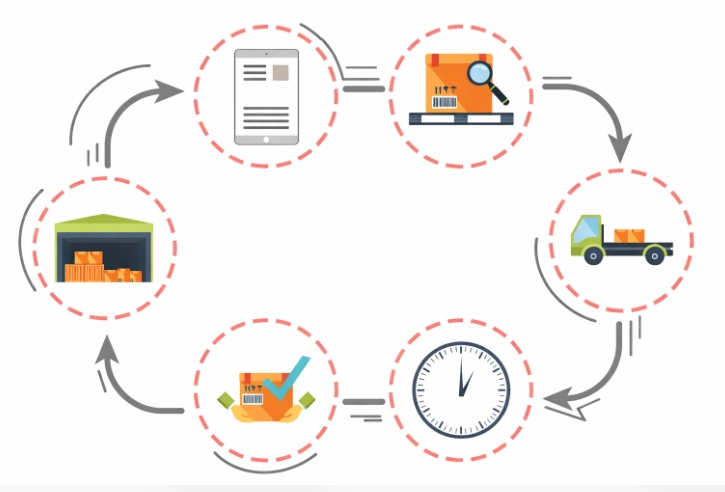
Automatisering wordt meestal uitgevoerd door middel van een automatische vervulling dienstverlening. Dergelijke diensten verbinden winkels via API-autorisatie, synchroniseren bestellingen in realtime, berekenen vracht en genereren automatisch trackingnummers. Deze functies zijn de kern van moderne dropshippingplatforms die opslag, verpakking, logistieke routing en kwaliteitscontrole bieden als geïntegreerde diensten in plaats van gefragmenteerde tools.
Hoe beïnvloedt opslagstrategie het overleven van de regelgeving en winstbehoud?
Dropshipping verwijdert opslag niet, maar verplaatst het.
Hoe voorkomt gecentraliseerde kwaliteitscontrole fouten op batch-niveau?
Gecentraliseerde magazijnfaciliteiten onderzoeken inkomende goederen bij aankomst en onderzoeken ze vervolgens net voordat ze worden verpakt. Deze verificatie in twee fasen kan problemen zoals beschadigde containers, tekenen van besmetting of onjuiste etikettering ontdekken voordat producten de kopers bereiken.
De standaarddiensten van one-stop drop shipping providers omvatten kwaliteitscontrole, productfotografie, herverpakking, routing via verschillende kanalen, enzovoort.
Waarom vermindert geografische distributie de blootstelling aan regelgeving?
Magazeinen die dichter bij de belangrijkste markten zijn geplaatst, verkorten de levertijden, handhaven de juiste opslagomstandigheden tijdens het doorvoer en stroomlijnen de douaneprocedures door zendingen nauwer aan te passen aan de eisen van de bestemming. Deze voordelen verhogen de winstmarges door minder restituties en lagere kosten voor vervangende zendingen.
Hoe kunnen ecosystemen op platformniveau de gefragmenteerde coördinatie van leveranciers overtreffen?
Wanneer verschillende delen van de toeleveringsketen losgekoppeld zijn, vermenigvuldigen de operationele moeilijkheden zich snel.
Hoe verbetert datazichtbaarheid het levenscyclusbeheer van producten?
Wanneer verkoopsnelheid, klachtenfrequentie en logistieke afwijkingen centraal worden geaggregeerd, worden beslissingen over het terugtrekken en herformuleren van producten proactief in plaats van reactief.
Hoe ondersteunt LZ Dropshipping schaalbaarheid op systeemniveau?
De positie van LZ Dropshipping is niet alleen een fulfillment provider, maar een geïntegreerd grensoverschrijdend operationeel platform.
Onze infrastructuur biedt verschillende diensten, zoals leverancier sourcing, wereldwijde opslagkwaliteitscontrole, verpakking en gestroomlijnde logistiek, onder één systeem. In plaats van diensten van derden te gebruiken voor afzonderlijke diensten, bieden we een enkele interface voor compliance-screening, opslagverwerking en gegevensfeedback.
Vanuit een operationeel perspectief verkort deze architectuur foutoplossingscycli en behoudt de continuïteit tussen sourcing, opslag en verzending. Voor verkopers van gezondheidsproducten vermindert een dergelijke continuïteit rechtstreeks de blootstelling aan regelgeving en stabiliseert de leveringsprestaties.
Dit integratiemodel weerspiegelt hoe dropshippingplatforms zijn geëvolueerd van eenvoudige expeditiediensten tot supply chain coördinatoren die gereguleerde productcategorieën op schaal kunnen ondersteunen.
Welke financiële mechanismen stellen gezondheidsdropshipping in staat om traditionele groothandelsmodellen te overtreffen?
Operatieve stabiliteit verandert kapitaalefficiëntie.
Hoe verandert inventarisrisico-eliminatie de ROI?
Traditionele groothandelaren absorberen onverkochte voorraden, vervalligheidsverliezen en seizoensgebonden volatiliteit. Dropshipping draagt deze risico's upstream over, waardoor kapitaal in plaats daarvan kan circuleren via marketing, compliance en platformoptimalisatie.
Fabrikanten die deelnemen aan gestructureerde dropshipping-systemen profiteren van snellere omzet, aanvulling op aanvraag en toegang tot marktgegevens uit eerste hand, wat het terugwinnen van contanten in productiecycli versnelt en kapitaalopsluiting vermindert.
Hoe kan datafeedback de formulering en SKU-selectie optimaliseren?
De gegevens van de directe reactie van de consument worden ingevoerd in de beslissingen inzake inkoop, waardoor onpopulaire formuleringen vroeg kunnen worden gestopt terwijl SKU's met hoge conversie prioriteit krijgen in de productie, waardoor de pascyclus van het product op de markt wordt verkort.
Hoe moeten operators de toegang tot gezondheidsniches met hoge marge structureren?
Uitvoeringsdiscipline is belangrijker dan categorieselectie.
Welke productsegmenten bieden regelgevende bescherming met stabiele vraag?
- Voedingssupplementen
- Huis rehabilitatie apparatuur
- Chronische zorg monitoring accessoires
- Mobiliteitsondersteunende apparaten
Deze segmenten combineren herhaalde vraag met compliance barrières die concurrenten van lage kwaliteit afschrikken.
Hoe moet compliance worden ingebed in de vermeldingswerkflows?
Documentatieopslag, bijlage van certificaten, batchcodering en contractclausules van leveranciers moeten worden geïntegreerd in het onboarding van producten, in plaats van toegevoegd na geschillen.
Veelgestelde vragen
Q1: Kunnen gezondheidsproducten veilig worden dropshipped zonder lokale voorraad?
A: Ja, wanneer magazijninspectie, batch traceerbaarheid en geautomatiseerde ordersystemen zijn ingebed in fulfillment workflows.
Q2: Verminderen strengere regelgeving de winstgevendheid?
A: In de praktijk vermindert de regelgeving de concurrentie en versterkt de prijsstabiliteit voor nalevende exploitanten.
Q3: Wat is de meest voorkomende operationele fout in dropshipping van gezondheidsproducten?
A: Het behandelen van compliance als een probleem van klantenservice in plaats van een probleem van het ontwerp van de supply chain.